In brief
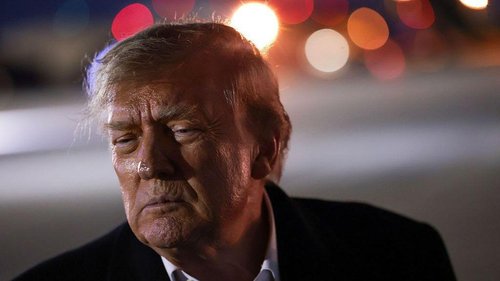
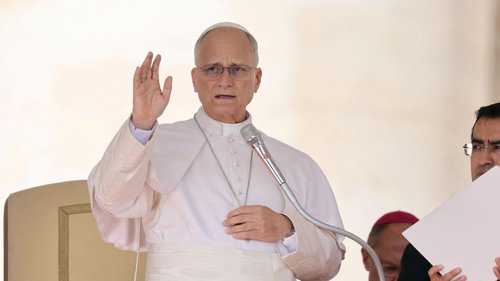
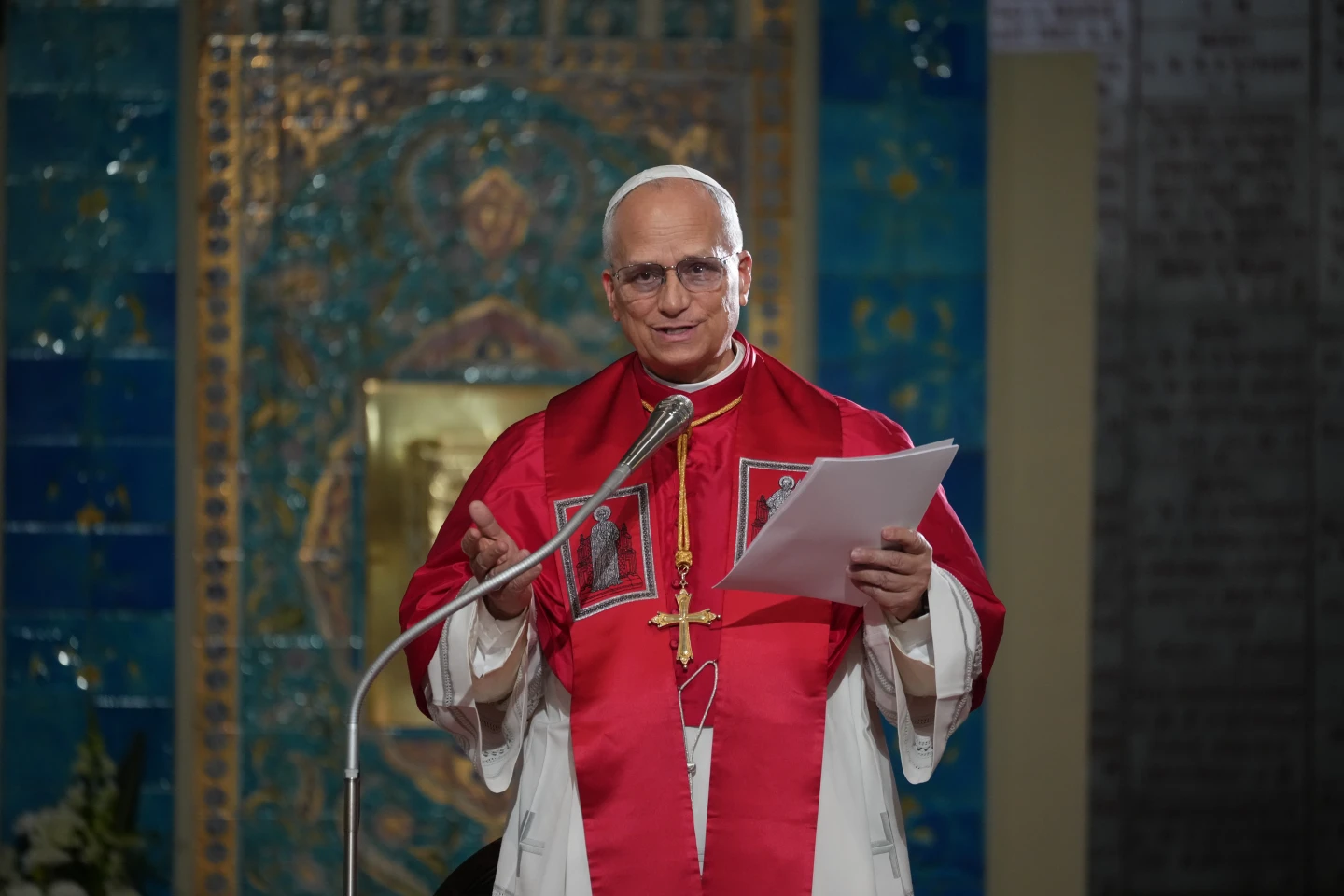
Despite securing the support of a majority of U.S. Catholic voters in the 2024 election, President Trump's recent verbal assault on Pope Leo XIV has sparked a wave of criticism across the religious spectrum. Key figures, including Archbishop Paul Coakley and Bishop Robert Barron, have criticized Trump for his disrespectful remarks. Even conservative evangelicals have expressed dismay at Trump's portrayal of himself as a Christ-like figure. As tension mounts, Trump's political allies remain hopeful that the conflict will be forgotten, yet many wonder about its long-term implications for his relationship with religious voters as the midterm elections approach.
Introduction
The recent clash between President Donald Trump and Pope Leo XIV has caught the attention of both religious and political communities as Trump faces backlash just months after his narrow victory in the 2024 presidential election.
The Fallout from Trump's Remarks
Many U.S. Catholic voters, who supported Trump, have expressed dismay at his unprecedented verbal attacks on Pope Leo XIV. Even conservative bishops are voicing concerns, as Trump's derogatory comments seem at odds with the teachings of the church. Archbishop Paul Coakley of the U.S. Conference of Catholic Bishops and Minnesota's Bishop Robert Barron have both called out Trump, with Barron particularly labeling his comments as 'inappropriate and disrespectful.'
Evangelical Reactions
Among Trump's strongest supporters, conservative evangelical leaders are also pushing back. They condemned his self-portrayed image as a Christ-like figure while attacking Pope Leo. David Brody, a prominent commentator associated with the Christian Broadcasting Network, urged Trump to take down the controversial image, emphasizing, 'You’re not God. None of us are. This goes too far.'
Trump's Response
Despite the growing dissent, Trump remains defiant, asserting there's nothing to apologize for, stating, 'He’s wrong.' Speaking at the White House, he defended his remarks, claiming they were misinterpreted, insisting he did not intend to liken himself to Jesus.
The Political Climate Ahead
This clash comes at a critical time, just six months before voting in the midterm elections, with Trump grappling with low approval ratings and dissatisfaction from his Republican base over issues like the Iran conflict. Yet many remain hopeful that Trump's faith-based policies will overshadow the recent backlash.
Historical Context
Throughout history, U.S. presidents have had contentious relations with the papacy, but experts emphasize that Trump's rhetoric represents a significant shift in the dynamic between the office of the presidency and the Catholic Church.
Conclusion
As the political climate continues to develop, the implications of Trump's verbal assault on Pope Leo XIV and the resulting backlash among Catholic and evangelical voters might reshape the landscape of support for the former president moving into the midterm elections.