In brief
At least seven oil tankers have made dramatic U‑turns near Yemen following the Houthi group’s announcement of a maritime embargo against Saudi Arabia. The Red Sea, which carries about 15% of global sea trade, is a key route for Saudi oil as the Strait of Hormuz remains under Iranian influence. Experts warn that a prolonged blockade could push oil prices higher and throttle international shipping. The incident underscores the escalating conflict in Yemen and the far‑reaching impact on global energy markets.
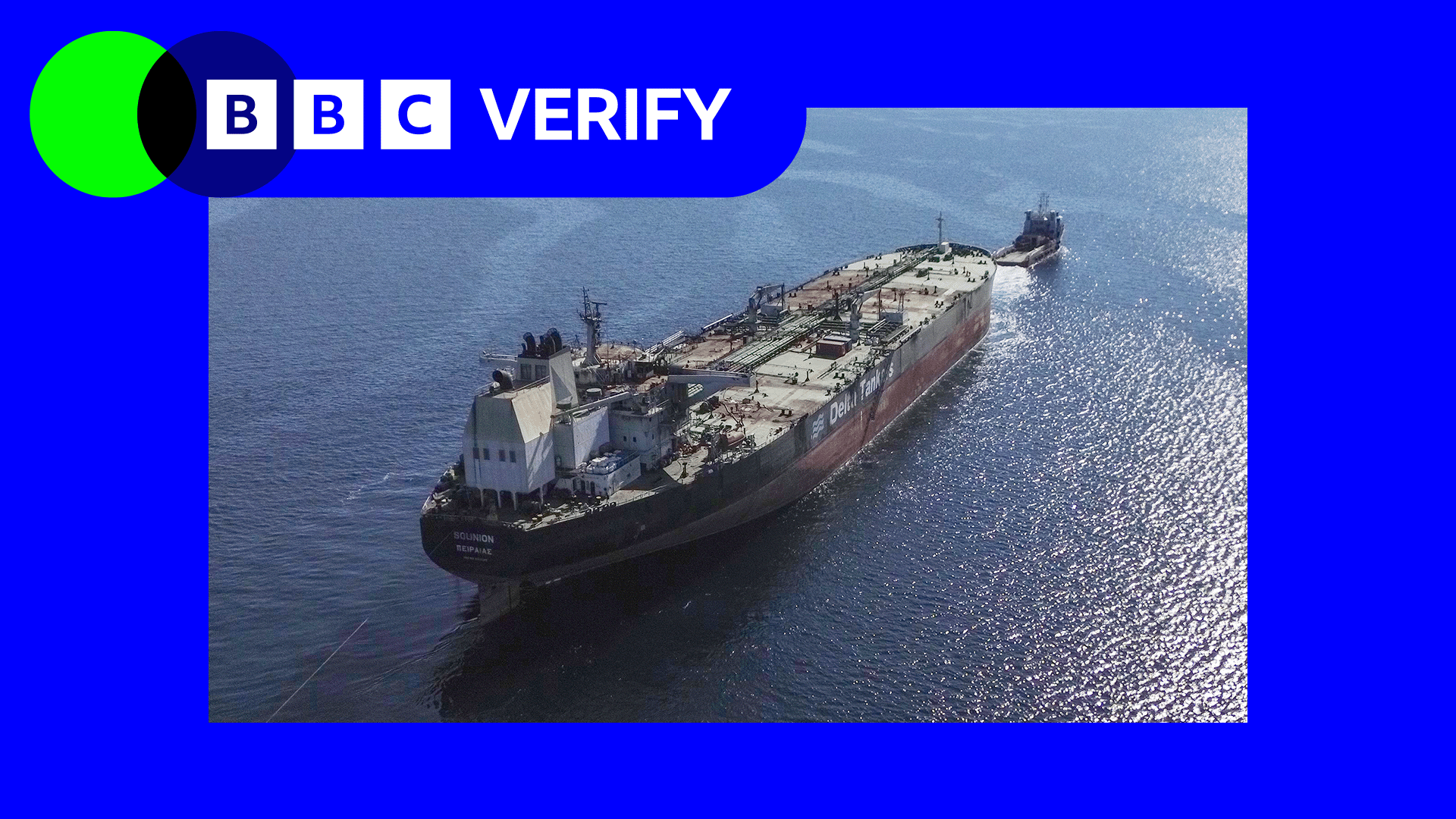
At least seven oil tankers have turned back on the high seas near Yemen after the Iran‑linked Houthi group announced a maritime embargo against Saudi Arabia.
The vessels had been heading toward or out of Saudi ports when the embargo was announced, and each ship charted a sharp reversal. One Liberian‑flagged tanker, Rodos, was en route from Saudi Arabia to India, but more than nine hours into the journey it turned northward instead of entering the Bab al‑Mandab Strait.
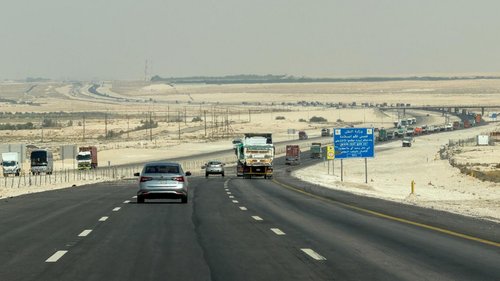
Nearly 15% of global sea trade passes through the Red Sea, linking the Mediterranean to the Gulf of Aden. The region’s importance has surged since the 2023 war on the Gaza Strip and the subsequent closure of the Strait of Hormuz, forcing Saudi Arabia to redirect most of its crude exports through the Red Sea corridor.
“If the Houthis further restrict trade, prices will go up,” said Rosemary Kelanic of the Defense Priorities think‑tank. She warned that any Houthi attacks on vessels would halt all international traffic, not just those bound for Saudi ports.
The EU’s naval force Aspides has already advised ships linked to Israeli, US or Saudi interests to avoid the Red Sea and Gulf of Aden until the threat level eases. Meanwhile, the Houthis cite a Saudi blockade of ports in Houthi‑controlled Yemen as retaliation.
With the Red Sea a critical choke point, the potential closure of the Bab al‑Mandab Strait could force a detour via the Atlantic and the Cape of Good Hope, forcing even greater freight costs and spiking energy prices worldwide. Marine traffic data shows at least eight vessels that were bound for the Red Sea have now made U‑turns instead of entering the strait from the south.
Ship‑tracking company Vanguard notes that the timing of these course changes “is consistent with the embargo announcement,” signalling growing caution among tanker operators. As the conflict escalates, more ships are broadcasting armed guards on board, adding to the anxiety for captains navigating these waters.