In brief
President Trump, aboard Air Force One, said the US would no longer launch a massive strike on Iran, instead opening talks that begin on Monday. He cited encouragement from allies—Saudi Arabia, the UAE, and Qatar—to hold off the attack, and warned about the potential fallout for global energy security. Oil prices plunged after the announcement, as traders feared disruptions in Strait of Hormuz, through which a fifth of world oil traffic passes. Iran has yet to respond to the U.S. proposal, while Tehran’s officials emphasize they view any threat as credible. The move marks a shift from previous hardline rhetoric, but uncertainty remains about the deal’s terms and implementation.
Trump Postpones Iran Strike, Announces Talks Begin Monday
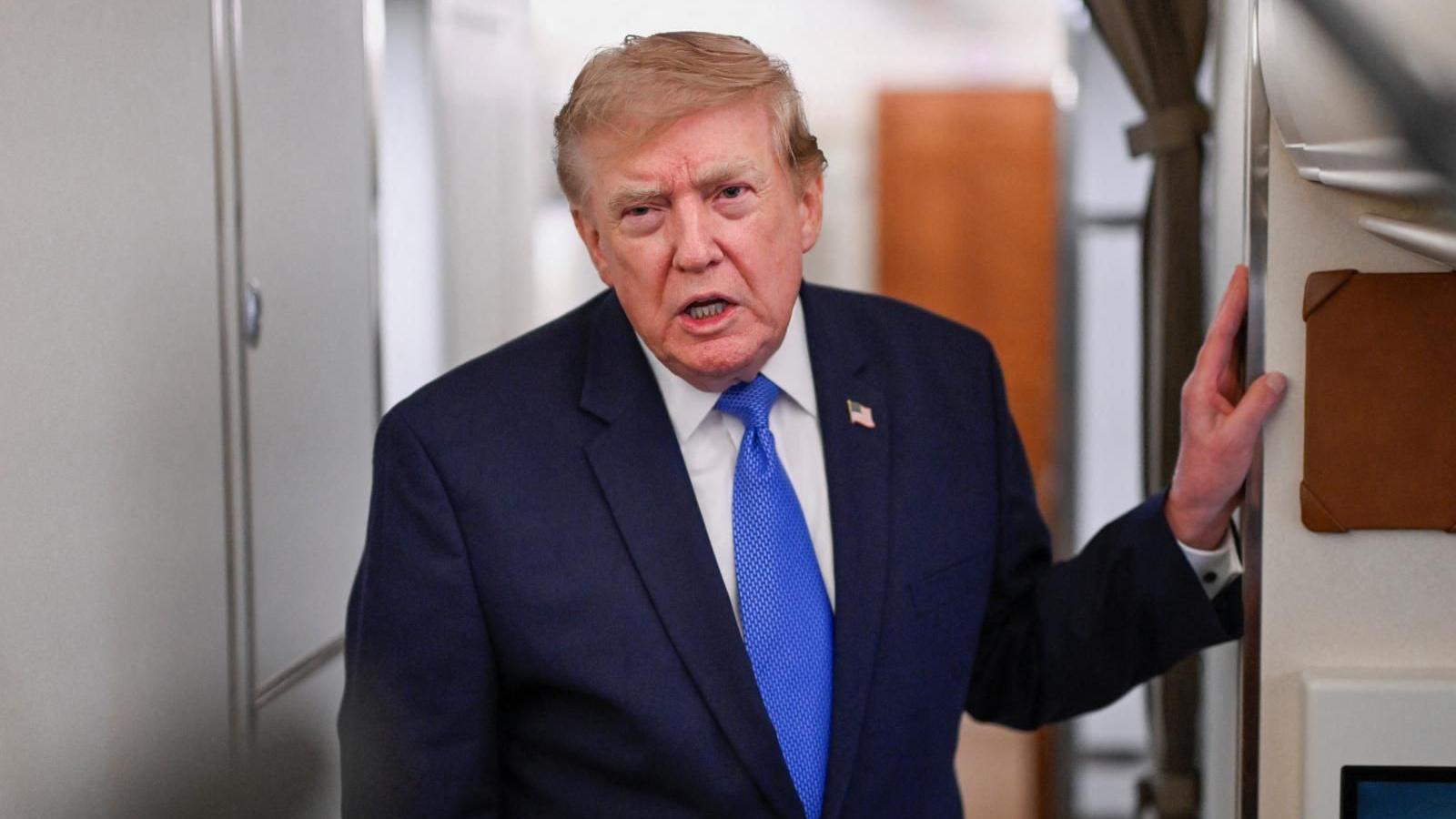
On Sunday, while returning to Washington on Air Force One, President Donald Trump told reporters he had decided against a “massive” missile strike on Iran. He announced the war‑time decision could be reversed and that negotiations would start Monday afternoon.
The president cited pressure from regional allies—Saudi Crown Prince Mohammed bin Salman, the UAE and Qatar—who urged him to “hold off” on the attack. Trump added that the “perimeters” of a deal had been agreed and that he was “ready to go any time” but not to kill people.
When asked to outline a deadline for a deal, Trump declined, saying he would “just see how it is.” He echoed earlier statements that a build‑up to combat would have been the biggest attack since World War II.
Iran’s foreign ministry has denied any request to stay off the US, calling the president’s claim a “new lie.” Iranian officials, however, say talks with Oman on the Strait of Hormuz are “on track for finalisation.”
The announcement sent a shock to global markets. Brent crude fell 4.5 % to $83.98 per barrel, while US‑traded oil dropped 4.6 % to $80.74. The Strait of Hormuz, through which about 20 % of world oil flows, has been a focal point in the conflict’s economic impact.
Trump has previously promised a world‑changing strike but has now shifted to a diplomatic path, saying the cancellation is for the future benefit of the world and Iran’s survival. The move follows a series of media warnings and the U.S. withdrawing from a planned attack that could have escalated into a larger war.
The U.S. and Iranian officials have not yet agreed on the venue or participants of Monday’s talks, and uncertainty lingers over whether the deal will include concessions on nuclear activity or shipping rights in the Middle East.
The President’s decision marks a significant pivot in U.S. policy, but whether it preserves peace or merely stalls conflict remains to be seen.