In brief
Recent reports show a sharp rise in piracy attacks off Somalia’s coast, with at least ten vessels seized in the last month as shipping routes shift away from blockades in the Gulf of Aden. The surge is linked to the US‑Iran war, which has drawn naval focus northward and pushed commercial vessels closer to Somali waters. Drone strikes have targeted suspected pirate networks, yet the long‑standing economic insecurity in Puntland fuels new attacks. International navies, including Turkish, Spanish, Danish, US and Indian warships, now monitor the area while the state of emergency grows in the region.
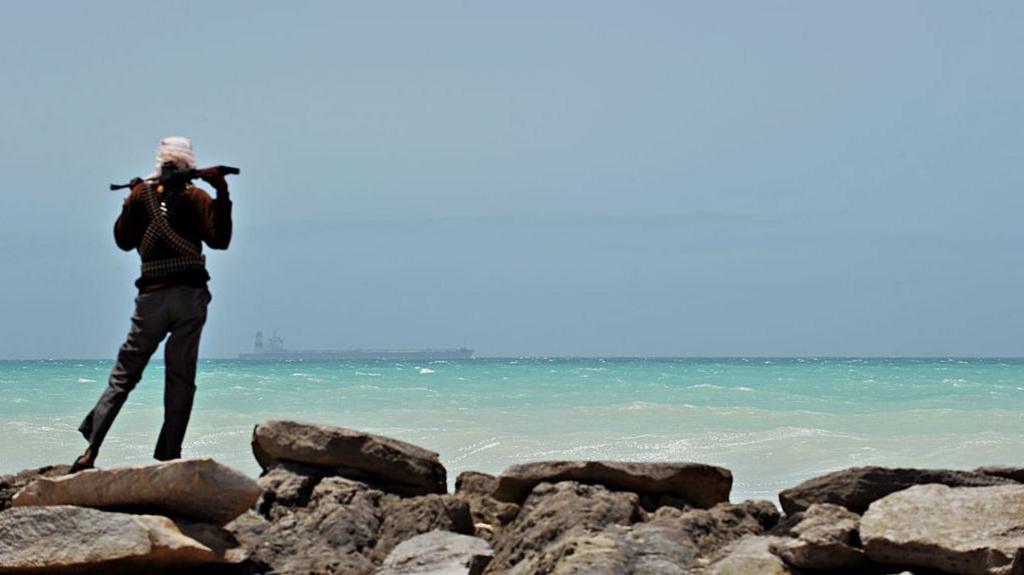
A surge in piracy near Somalia has amplified risk for shipping lanes already strained by blockades and geopolitical conflict. Already, two cargo vessels were seized in the Gulf of Aden within four days last week, bringing the total of attacks for 2026 to 13 and prompting unprecedented drone strikes against pirates.
The Iranian‑US standoff over the Strait of Hormuz and Yemen’s Houthi‑backed blockade of the Bab el‑Mandeb Strait have drawn naval attention away from Somali waters. "Piracy sees an opportunity when international forces are preoccupied," said Omar Mahmood of the International Crisis Group.
Irritation over foreign trawlers overfishing in Puntland’s coastal waters has further inflamed local communities. Newly hijacked vessels include the Cameroon‑flagged MV Lutuf and the Eritrean‑flagged MT Sibu 1, the latter allegedly linked to an Iranian “shadow fleet” hauled in to dodge U.S. sanctions.
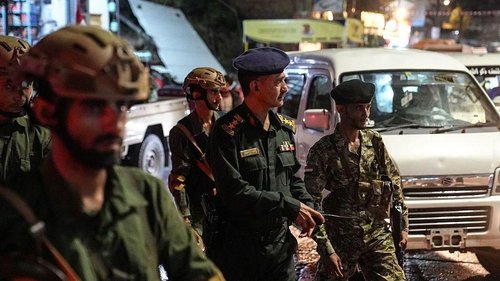
Drone attacks have killed at least nine alleged pirate suppliers since Aug. 18, though their links to Turkish forces remain unconfirmed. Turkish officials say their forces provide “necessary support” to Somali authorities, but they have not addressed allegations of involvement in missile strikes.
Six international warships – two from Turkey, one each from Spain, Denmark, the US and India – are stationed in the area, according to local reports. Meanwhile, the MV Lutuf remains in custody, holding a multicolored hull amid a sea of dread on the horizon.
The piracy resurgence stands as a stark reminder that without sustained naval deterrence or a resolution to the U.S.‑Iran war, Somali piracy will continue to threaten the strategic maritime corridor that the world depends on for trade and oil transport.
Additional reporting by Mohamed Gabobe in Mogadishu and BBC Somali Service
For more African news, follow BBCAfrica.com. Connect on Twitter @BBCAfrica, Facebook BBC Africa or Instagram bbcafrica.