In brief
Shein’s long‑awaited debut on the Hong Kong Stock Exchange delivers a $26.2bn market cap but prices only fall marginally as the company trades shallowly at the end of its first day. The label, known for ultra‑cheap, rapid‑turnover apparel, previously tried listings in the US and London before returning to Asian roots. With over 270 million customers, Shein’s transition to public markets is a test of investor appetite for fast‑fashion, amid questions of ethics, supply‑chain practices and a tightening trading environment caused by new tariffs and regulatory scrutiny. Analysts suggest that the share dip signals rising costs for the brand and possible price hikes for shoppers.
Shein launches in Hong Kong at a $26.2 bn valuation
Ultra‑fast‑fashion icon Shein finally crossed the finish line of its long‑awaited public‑market debut on the Hong Kong Stock Exchange, giving the company a valuation of $26.2 bn on its first day of trading.
Because the company’s earlier attempts to list in the US and London were blocked by trade and regulatory blockers, the chameleon brand settled back into its Asian home base. An objective of Hong Kong’s loose listing rules – the “Heroes and Villains” rule – allowed Shein to skip the regulatory vetting normally required for a global company. The company announced that it would raise 13.6 bn Hong Kong dollars ($1.7 bn) as it priced its shares at HK$48.56 each.
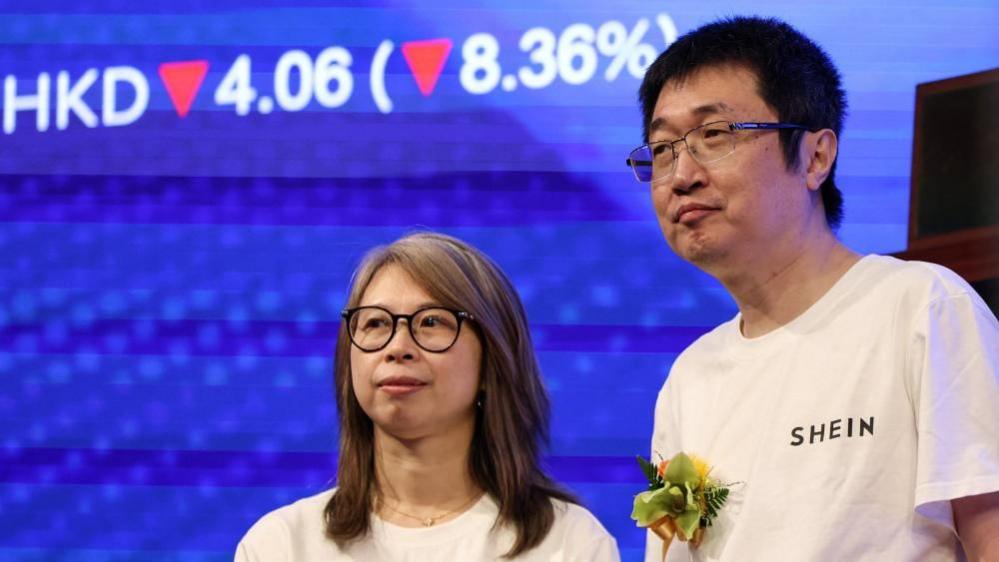
Trade in early trading opened sharply lower, with the shares falling as much as 10 % before narrowing to just a 0.12 % decline at closing. The day’s final price of $48.50 upheld the market cap close to the pre‑market estimate of $26.15 bn.
Industry respondents say the drop in price reflects the high cost of running a fast‑fashion and logistics network, and a looming mood that lower retail prices will be harder to sustain. If the external cost of raw materials, shipping and compliance rises, the company may have to raise retail prices for consumers.
Critics in the US and Europe point to concerns about possible forced labour in Shein’s factories, as well as accusations that the brand copies other designers’ work. The company has insisted on a zero‑tolerance policy for forced labour and says it respects original design rights.
The listing is being seen by business analysts as the biggest single share offering in Hong Kong this year and a test of investor appetite for fast‑fashion. Rival fast‑fashion stocks such as ASOS and BooHoo have found themselves under analyst scrutiny and have seen their owning shares crack down under tighter regulatory eyes.
“Shein is no longer a unique player,” said Jason Hsu, a research analyst who tracks trends in the apparel industry, adding that the company now has to differentiate itself from rivals who are adopting predictive‑technology tools to keep shoppers engaged.
The company’s CEO, Poppy Bao, stood with the founder Xu Yangtian during the opening ceremony. The CFO, Leigh Gui, announced that the business has reached about 160 markets worldwide and said “Let global consumers enjoy the sound of fashion” after the gong struck at the start of trading.
The list touches on key challenges for fast‑fashion. Supply‑chain politics have hit the brand: the US revoked a de‑minimis tariff exemption for small packages in 2025, forcing packers to pay goods‑into‑US levy charges on items worth up to $800. The European Union has also levied a €3 tax on low‑value imports.
Additional pressure came from the geopolitical situation in the Middle East, which spurred demand dip, cost rise and delayed deliveries in some markets. In July, the company told investors it had a $99 m quarterly loss after the US trade decision hit its bottom‑line.
Investors will now keep an eye on how the brand’s supply chain will handle these new costs, whether it can persevere in a tough retail environment, and whether it can keep fast‑fashion prices below the rise in raw materials. In the meantime, its initial public‑market price offer provides a block of fresh capital for growth ambitions in hardware, software and logistics, but also a shock wave for the wider fast‑fashion industry that had not yet wavered during the pet‑cuddle lockdown mega‑boom.