In brief
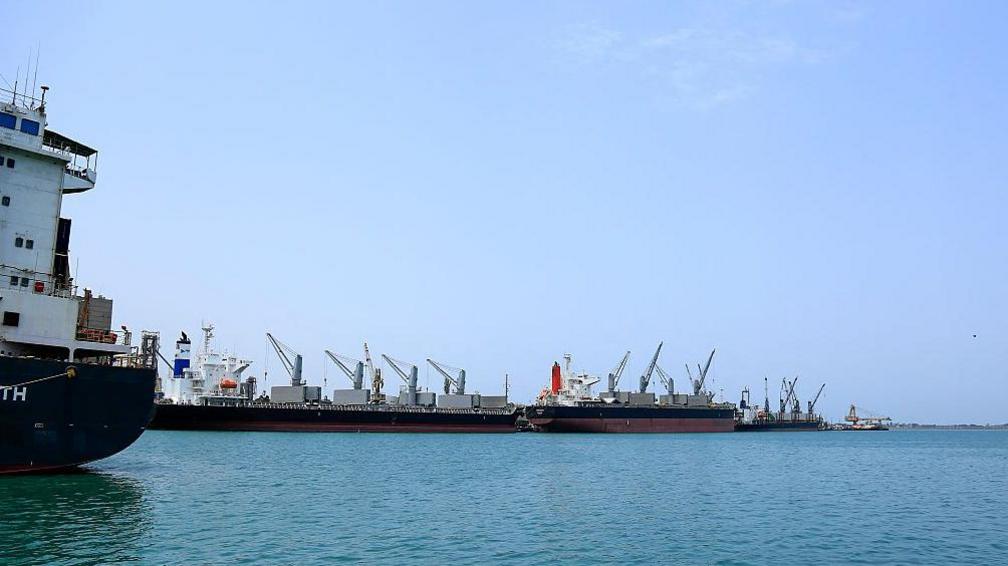
An Indian‑flagged vessel, the MSV Faize Noore Oliya, was struck by an unknown projectile and sank off Yemen’s coast, leaving 14 crew members—13 Indians—awaiting rescue. Indian Shipping Minister Sarbananda Sonowal condemned the unprovoked attack and pledged measures to safeguard maritime trade. The incident follows a series of Houthi‑linked assaults in the Red Sea, where ships rerouting from the Strait of Hormuz have faced heightened risks amid regional tensions. International authorities and the Indian Ministry of External Affairs have urged the cessation of attacks and the restoration of safe navigation. The surge in maritime threats has wider implications for global oil logistics and market stability.
On 4 August, the Indian‑flagged bulk carrier MSV Faize Noore Oliya capsized and sank after being struck by a projectile off Yemen’s coast. All 14 crew members—13 Indians and one another national—were safely rescued by Indian naval forces.
India’s Minister of Shipping, Sarbananda Sonowal, condemned the attack as ‘unprovoked’ and promised steps to protect seafarers in the region. Senior officials remain uncertain who fired the projectile; Yemen’s transportation ministry has blamed the Iran‑backed Houthi movement for using an explosive‑laden boat in the assault.
The incident is part of a recent string of Houthi‑related attacks in the Red Sea, where oil tankers have been rerouted from the Strait of Hormuz following Iran’s closure of the strait in February. Such attacks have escalated concerns for global oil markets and maritime security.
The Indian Ministry of External Affairs issued a statement highlighting the need to end commercial shipping attacks and restore free navigation in accordance with international law. It added that disruptions in Middle East shipping routes began after U.S. and Israeli air strikes on Iran.
Until this attack, several Saudi tankers had been using the Red Sea as an alternative route, but the Houthi’s blockade and militant maritime operations have heightened risks to commercial traffic. The U.K. has also reported multiple regional shipping incursions in the past week.
While oil prices dipped to a three‑week low amid renewed hopes of reopening the Strait of Hormuz, diplomatic talks continue. A 14‑point Memorandum of Understanding was signed in June to halt military operations, but the U.S. and Iran have yet to reach a definitive cease‑fire agreement.
In light of these tensions, maritime nations are urged to increase vigilance and coordinate responses to ensure the safety of international waters.