In brief
Since the US and Israel began hostilities against Iran, Riyadh has tried to stay neutral but recent drone and missile attacks have forced it to respond. The Crown Prince’s Vision 2030 aims to diversify an oil‑dependent economy, yet the country’s data centres and shipping lanes have become targets. Saudi strikes on Iraqi proxy sites have escalated tensions, while the Houthis in Yemen intensify attacks on ports and airports. The dual threat from the north and south threatens Riyadh’s petro‑economic stability and its broader geopolitical ambitions. Saudi Arabia now faces a stark choice: continue retaliatory strikes or seek a prolonged de‑escalation to safeguard its Vision 2030 goals.
Saudi Arabia is walking a tightrope in the fallout from the U.S. and Israel’s anti‑Iran military campaign that began on 28 February.
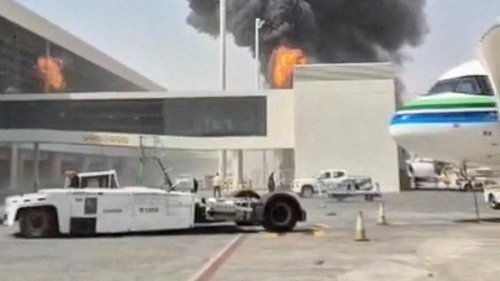
The Kingdom has largely tried to remain quiet, but a volley of drone attacks from Iranian proxy forces in Iraq and the Houthi rebels in Yemen has pushed Riyadh to retaliate. In early July Saudi forces and the U.S. struck an Iraqi Popular Mobilisation Forces site after drones damaged Saudi oil facilities, and the country has taken a series of airstrikes on the Yemen airfield outside Sanaa to prevent an Iranian aircraft from landing.
These actions have escalated the conflict, placing spotlights on the old warfare equations that threaten the kingdom’s biggest economic pillar: oil export markets.
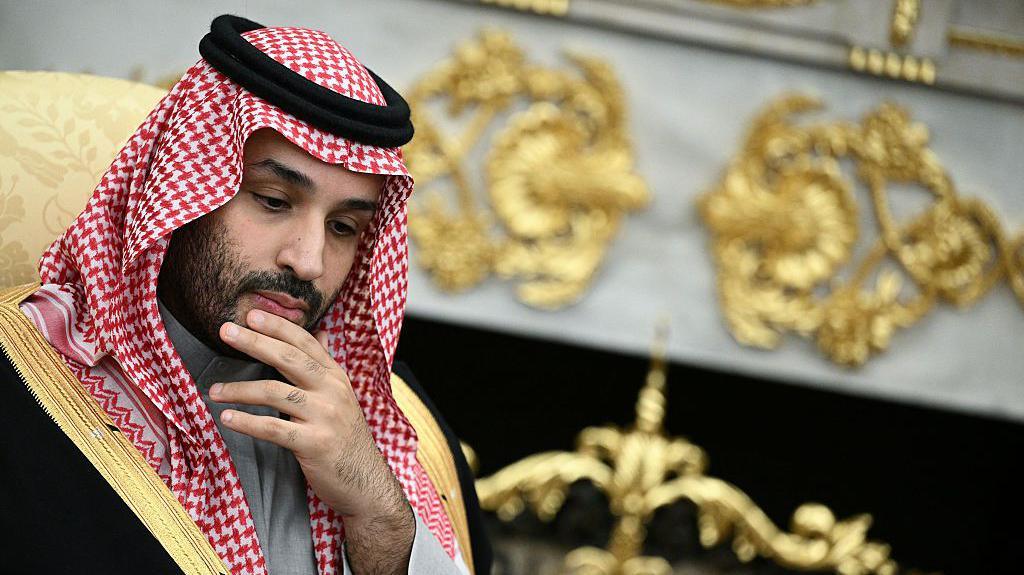
Saudi Arabia’s Crown Prince Mohammed Bin Salman is running a Vision 2030 program that seeks to diversify the country’s economy and attract foreign investment. The plan relies on steady oil flows, secure shipping lanes and a resilient infrastructure network. Yet drone strikes on pipelines and data centres that could host critical systems have shown the fragility of that economic vision.
The conflict now presents a two‑front threat: Hezbollah‑aligned militias and the Houthi movement in the south, and Iranian‑influenced armed groups in the north. The Saudi response is a mix of military deterrence and diplomatic floor‑talk, with the aim of preventing a full‑scale war that could cripple Vision 2030’s ambitions.
With the Strait of Hormuz tightened by Iran’s own missile and drone barrage, the kingdom’s lifeline of shipping lanes has come under scrutiny. Saudi's emergency pivot – moving five million barrels of oil via the Yanbu red‑sea terminal – underscores how closely intertwined the region’s security and economic well‑being have become.
As the US tries to pare back the war with Iran, Riyadh must decide whether to maintain its current deterrence posture or pursue a negotiated de‑escalation that preserves its strategic and economic future. The stakes are high, the consequences global, and the world watches Saudi’s next moves with keen interest.