In brief
Following increased political violence, including the assassination of Minnesota Rep. Melissa Hortman, state lawmakers across the U.S. are enhancing security measures at state capitols. This includes the installation of weapons detectors and legislation allowing the use of campaign funds for personal security. As fears heighten, Minnesota considers forming a dedicated unit for the protection of elected officials. Lawmakers across various states are taking steps to safeguard personal information and ensure the safety of all public officials.
ST. PAUL, Minn. (AP) — Following the assassination of Minnesota legislative leader Melissa Hortman nearly a year ago, state lawmakers across the United States are stepping up security measures within state capitols and enhancing safeguards for public officials in their communities.
These changes occur amidst a disturbing rise in political violence, highlighted by the tragic killing of Hortman last June, the top Democratic leader of the Minnesota House, and the assassination of conservative activist Charlie Kirk during a college event in Utah.
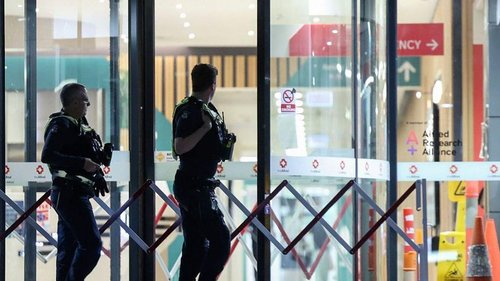
In Minnesota, nearly all doors to the state Capitol are now secured, requiring visitors to pass through weapons detectors. Those wishing to observe floor debates must go through an additional security screening.
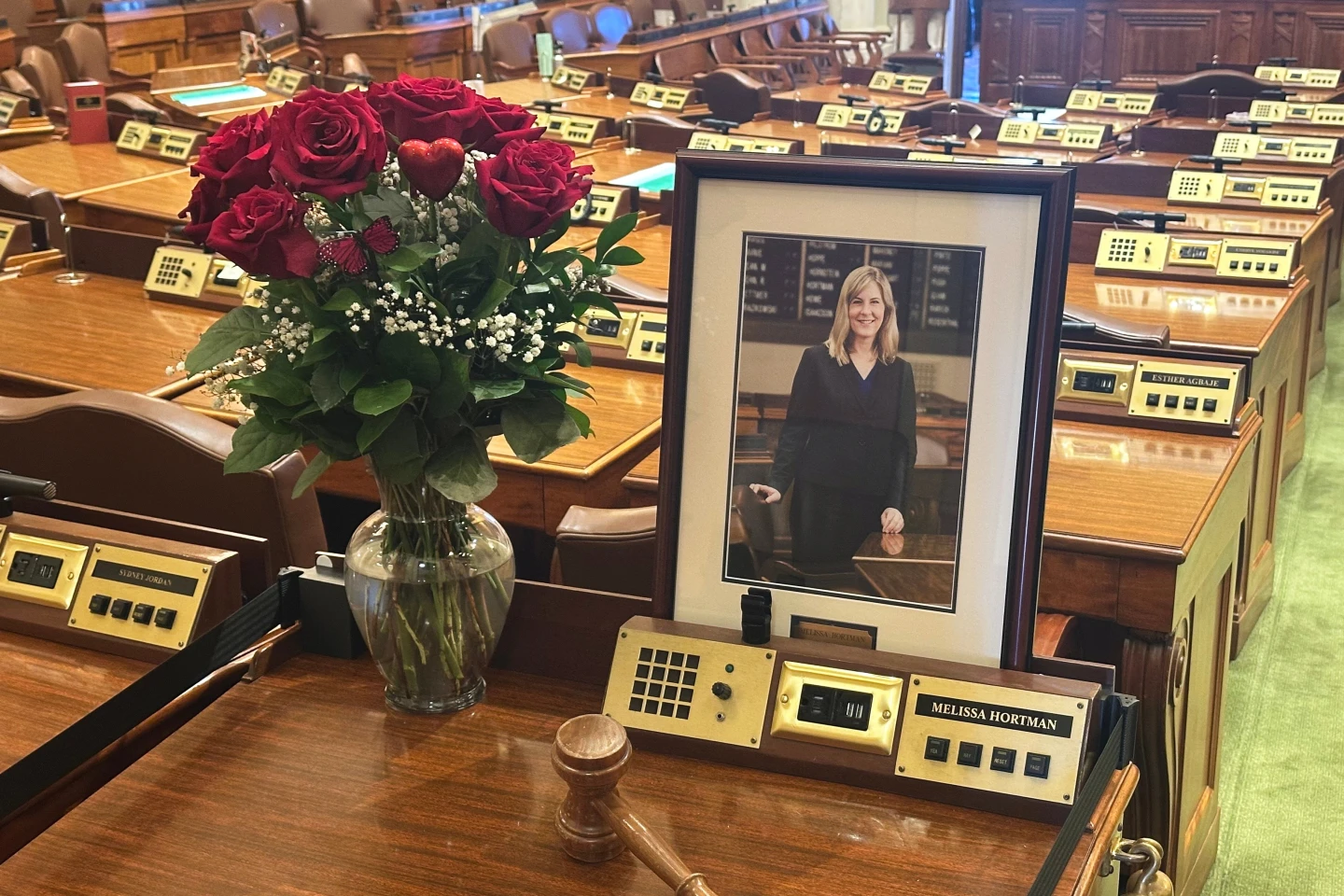
Rep. Julie Green, a Democrat, emphasized, It’s crucial for our government to remain stable even when our legislators face threats. Her sentiments echo the deep emotional complexity surrounding these challenges, especially as Hortman’s desk remains empty, adorned only with flowers and her portrait.
High-profile attacks have stoked lawmakers’ fears
The violence targeting political figures in recent years is alarming. In addition to the shootings of Hortman and Kirk, there have been notable incidents such as an arson attack at Pennsylvania Governor Josh Shapiro's home, an attempted assassination of then-presidential candidate Donald Trump, and the hammer attack on Nancy Pelosi’s husband.
In response, 25 states now formally empower candidates to allocate campaign funds for personal security. Many of these changes were prompted by the tragic events concerning Hortman and Kirk, as states like Alabama, Oregon, Nebraska, and Utah enacted laws this year allowing such funding, with others considering similar legislation.
The increase in security measures is not limited to state capitols; federal campaign spending for security has surged fivefold in the last decade, with over $40 million spent in the current campaign cycle alone.
Weapons detectors are just one response
Metal detectors were also introduced in Alaska’s Capitol, a decision based on rising violence risks against public officials, according to Democratic Rep. Sara Hannan. However, other states like Wisconsin have resisted such measures. Assembly Speaker Robin Vos expressed concerns about making the Capitol less accessible.
Meanwhile, Minnesota is exploring the establishment of a dedicated security unit within the State Patrol to protect lawmakers and other high-ranking officials, a proposal backed by those who have experienced threats firsthand, like Sen. John Hoffman, who survived a shooting linked to the wider violence against officials.
Lawmakers are also working to protect their personal information, with North Dakota discussing a bill to allow the confidentiality of home addresses for public officials.
The National Conference of State Legislatures has set up a funding program to reimburse states for costs associated with ensuring safety for lawmakers. Over 30 states have already expressed interest in this initiative.
As the response to these tragic events evolves, the emphasis on security continues to grow, with legislative bodies working to adapt in order to safeguard their representatives and uphold the integrity of democratic governance.