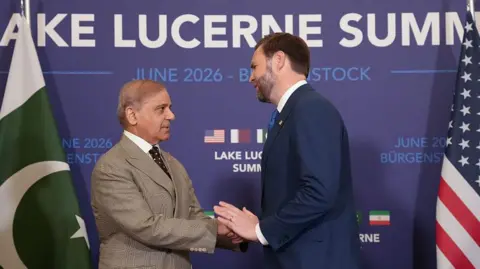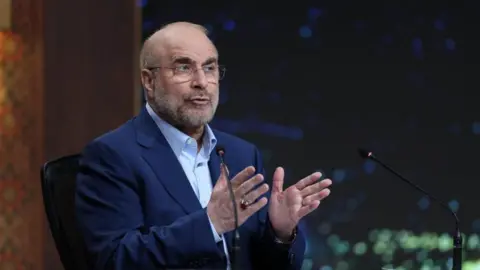
The upcoming face-to-face talks between US Vice-President JD Vance and Iran's Parliamentary Speaker Mohammad Bagher Ghalibaf in Islamabad represent a historic moment, being the highest-level interactions since the 1979 Iranian Revolution. Although the atmosphere may remain tense, with no expectation of smiles or handshakes, these negotiations signal a willingness from both nations to seek diplomacy amidst increasing global conflicts.
Expectations for a transformative peace deal are tempered by the reality that an ongoing regional war undermines trust, as previous talks have stumbled due to escalations in military engagements. The Biden administration, like its predecessor under Trump, faces challenges in reconciling nuclear and military discussions with Iranian demands, which include maintaining their ballistic missile capabilities.
Previous rounds of negotiations have not produced substantial results, but the urgency of the current situation compels all parties to reconsider. Senior officials assess that this historic dialogue presents a unique chance, albeit with significant skepticism over the potential for genuine progress. The history of US-Iran relations suggests formidable barriers remain, but these discussions may mark the beginning of a necessary pivot towards peace.
Expectations for a transformative peace deal are tempered by the reality that an ongoing regional war undermines trust, as previous talks have stumbled due to escalations in military engagements. The Biden administration, like its predecessor under Trump, faces challenges in reconciling nuclear and military discussions with Iranian demands, which include maintaining their ballistic missile capabilities.
Previous rounds of negotiations have not produced substantial results, but the urgency of the current situation compels all parties to reconsider. Senior officials assess that this historic dialogue presents a unique chance, albeit with significant skepticism over the potential for genuine progress. The history of US-Iran relations suggests formidable barriers remain, but these discussions may mark the beginning of a necessary pivot towards peace.