Singapore Police Charge Man Over Fake Crocodile Photo Sparks Reservoir Panic
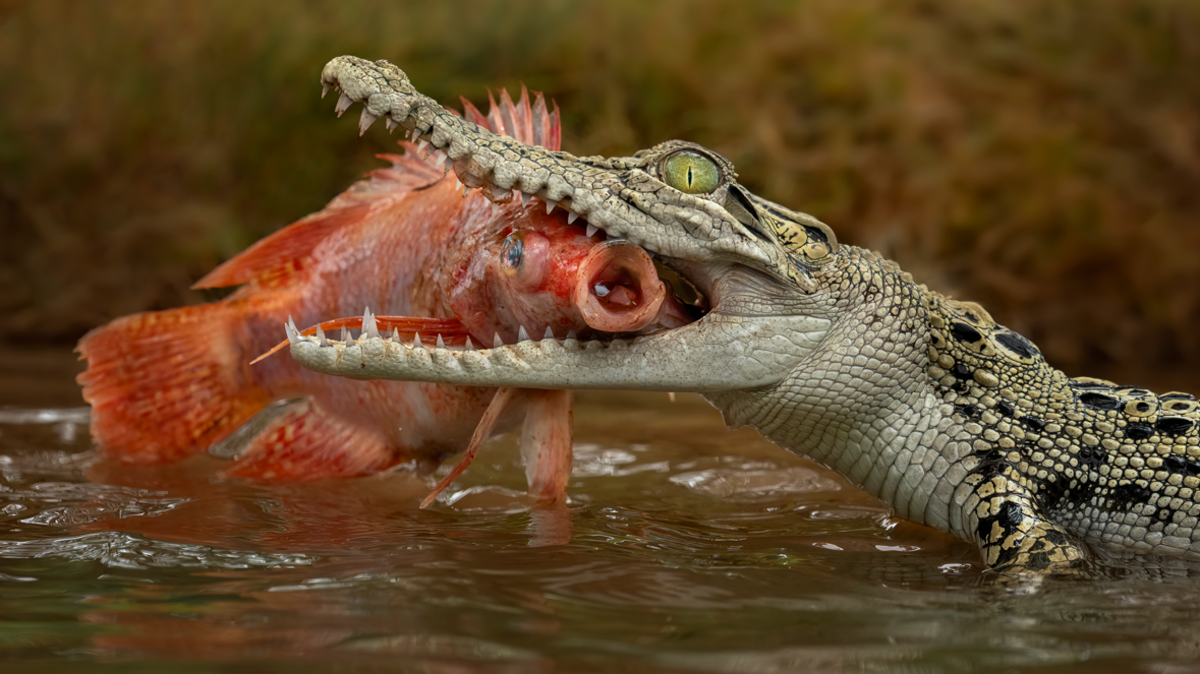
An AI‑generated image of a saltwater crocodile posted online caused Singapore’s Pandan Reservoir to be temporarily shut down, and a man has now been charged with spreading a false message and obstructing the course of justice.

Ye Lin, a 35‑year‑old Myanmar national, allegedly used artificial intelligence to compose a realistic picture of a crocodile and sent it to a colleague. The image triggered the Singapore Water Agency (Public Utilities Board) to halt all recreational activity at the reservoir, suspending joggers, kayaking and other water sports.
The chain of events
On 20 August, local authorities received a tip of a crocodile sighting in Pandan Reservoir and embarked on search and capture operations. The next day, the water agency confirmed that the image was a fabrication and forwarded the matter to the Police.
During the court proceedings, Ye Lin pleaded guilty and admitted that he deleted the image and the software used to create it in an attempt to hide his actions. He was charged under Singapore's laws on communicating a false message and obstructing the course of justice.
Potential penalties
The offence of communicating a false message is punishable by up to three years’ imprisonment, a fine of S$10,000 (about US$7,800) or both. Obstructing justice carries a maximum of seven years’ jail time, a fine, or both. Ye Lin’s case is expected to return to court in November.
Broader implications
The incident highlights how quickly AI‑generated imagery can sow confusion and disrupt public services, especially in tightly regulated environments. Authorities now emphasize the importance of verifying visual content before sharing it on social media or with official bodies. Digital literacy, rigorous fact‑checking, and user education on the authenticity of images are essential safeguards against future misinformation.
With social media still evolving, PulseWire’s community of reporters and fact‑checkers will keep you posted on developments as the court date approaches and any updates that emerge from the National Water Agency’s follow‑up.