Maharashtra's New Anti‑Conversion Law Triggers 'Declaration' Forms at Churches

In late August, months before the new anti‑conversion law went live, churches around Mumbai began asking worshippers to sign a simple written statement: “I came here to pray of my own free will.” The form no longer has legal weight, but it serves as a protective shield if a prayer meeting later faces a conversion charge.
The Maharashtra Government says the legislation cuts out forced or fraudulent conversions, forcing authorities to investigate any voluntary change of religion. Those who claim to convert and fail to notify the state may face prison terms of up to seven years, extendable to ten for repeat offences.
Critics argue the law’s broad wording lets a single prayer be labeled a conversion, exposing ordinary worship to police scrutiny. Ministers say that the new notice requirement is simply a means to verify that conversion is voluntary.
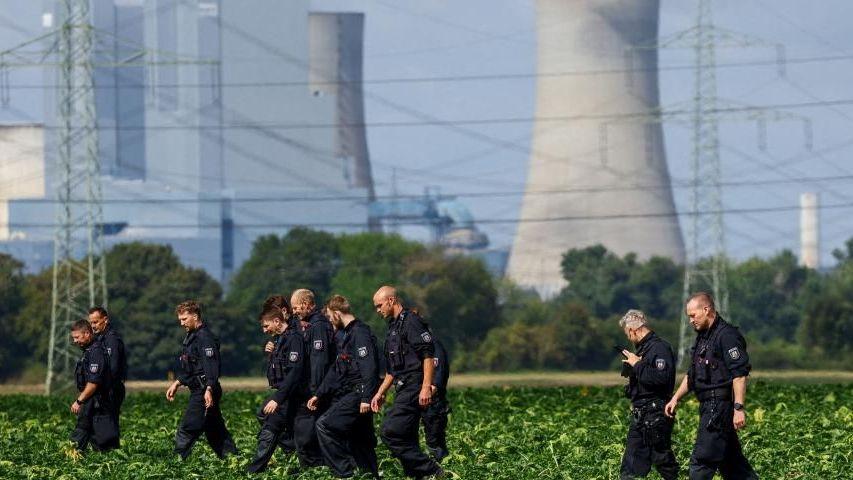
Since the law’s entry in August, five churches in Mumbai’s suburbs have been disrupted by police and civil protests. Seven suspects were charged in connection with the alleged conversions, and two members of the Bharatiya Janata Party’s Bajrang Dal were also booked. Police responses remain opaque.
For many churchgoers, the worry is that a simple gathering could trigger accusations. “Is gathering for prayer itself conversion?” asks legal aid worker Devdan Tribhuvan, who has seen an uptick in people seeking guidance on how they can safely practice their faith.
The law also permits family members or Ganesh‑fervour groups to allege unlawful conversions, which critics say will make interfaith marriages more difficult. Lawyer Lara Jesani notes that the month‑long notice period for interfaith weddings can expose couples to hostile scrutiny.
Officials maintain that the new statute protects the vulnerable from coercive conversions, while allowing voluntary changes freely. Yet the line between coercion and persuasion remains contested, with both religious groups and civil societies demanding clear boundaries.
Under the current law, a person who voluntarily converts with a promised benefit—employment, education or marriage—could be deemed to have been “allured” and face legal challenge. Retired judge Abhay Thipsay says the definition is so vague that almost any benefit can be construed as inducement.
For Maharashtra’s Christians, the law has shifted the focus from faith to paperwork, demanding that their right to worship be constantly verified. Whether this sign‑and‑declare ritual will become precedent for other states remains to be seen, but it marks a pivotal new step in India’s ongoing struggle over religious conversion.