Malaysia begins repatriation of asylum seekers to Myanmar

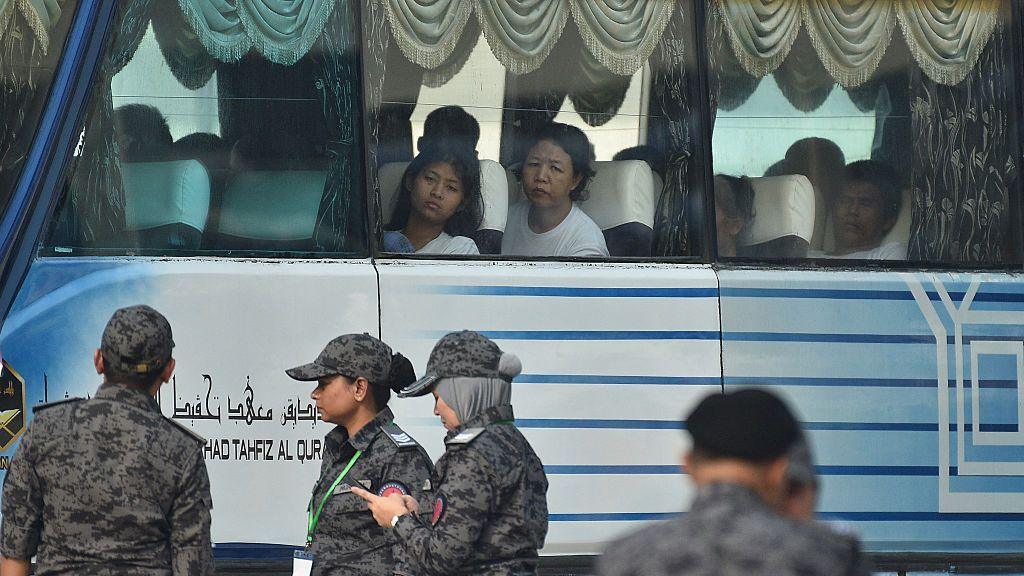
The Malaysian government has begun repatriating around 5,000 asylum seekers from Myanmar under a controversial deal agreed with military ruler Min Aung Hlaing.
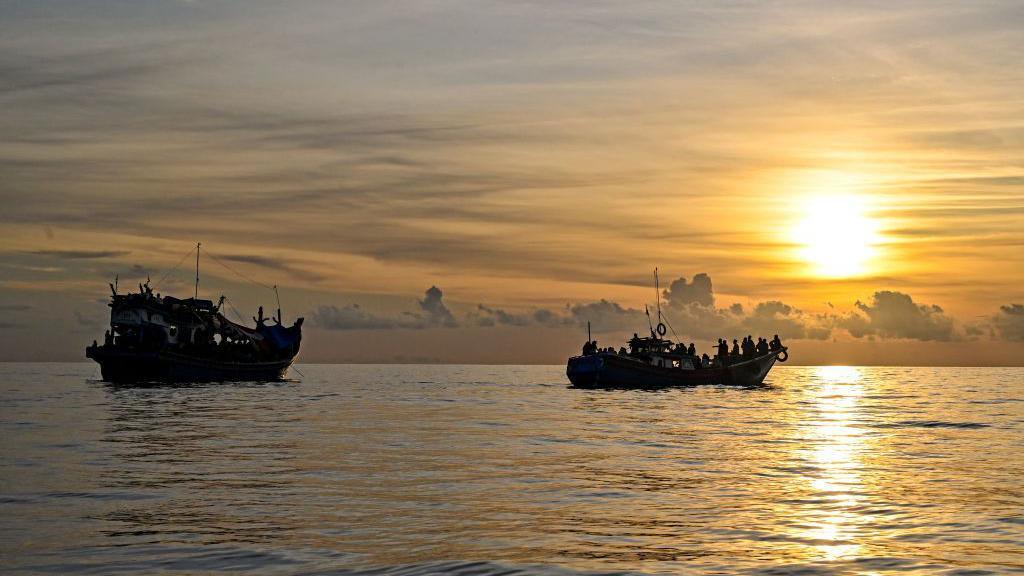
Three navy ships left Malaysia carrying the first 1,476 returnees, while the rest are to follow later this week.
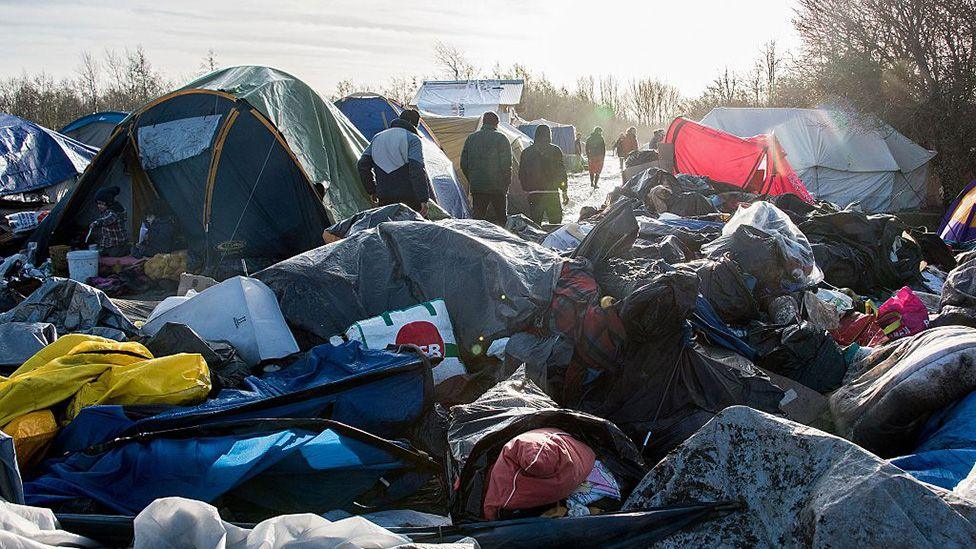
Human‑rights groups warn the returnees face violence, persecution and forced conscription into the Myanmar army. Malaysia calls the move voluntary but has barred the UN's refugee agency from inspecting the camps where the returnees are held.
Prime Minister Anwar Ibrahim says the convoy will include Rohingya refugees who fled persecution in Myanmar. He says he is responding to public hostility in Malaysia, but critics charge him with abandoning his earlier humanitarian stance.
The policy marks a stark shift from Anwar’s past advocacy for Rohingya rights. Analysts attribute the change to economic strain on Malaysians, rising nationalism, and the fragile coalition politics that now dominate the Malaysian government.
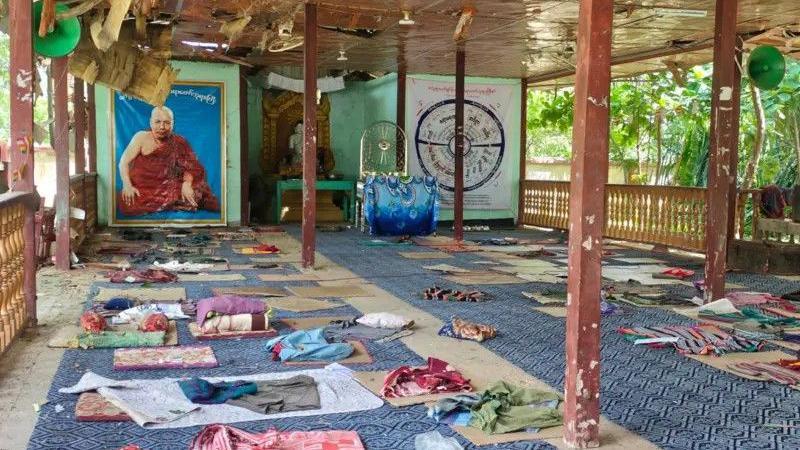
The repatriated refugees will return to a country where they are not recognized as citizens, cannot travel freely, and may face forced conscription or violence. Many live in Sittwe, a besieged city under the control of separatist forces, raising serious humanitarian concerns.
International bodies have called for independent monitoring and assurances of safe humanitarian treatment. The repatriation has sparked protests and fueled a debate over Malaysia’s role in safeguarding vulnerable migrants.