How Toxic Smog From Wildfires is Making Indonesians Sick
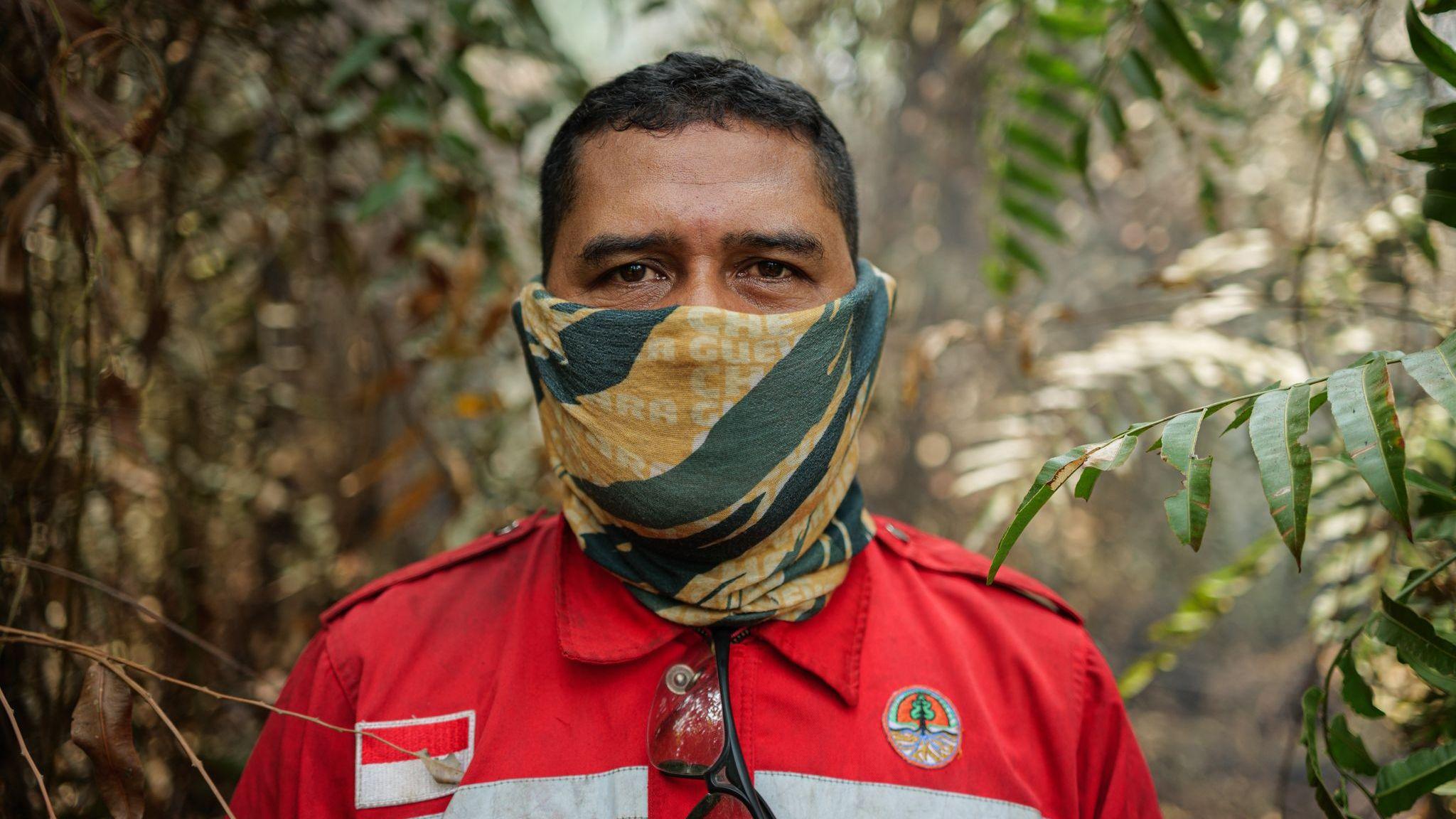
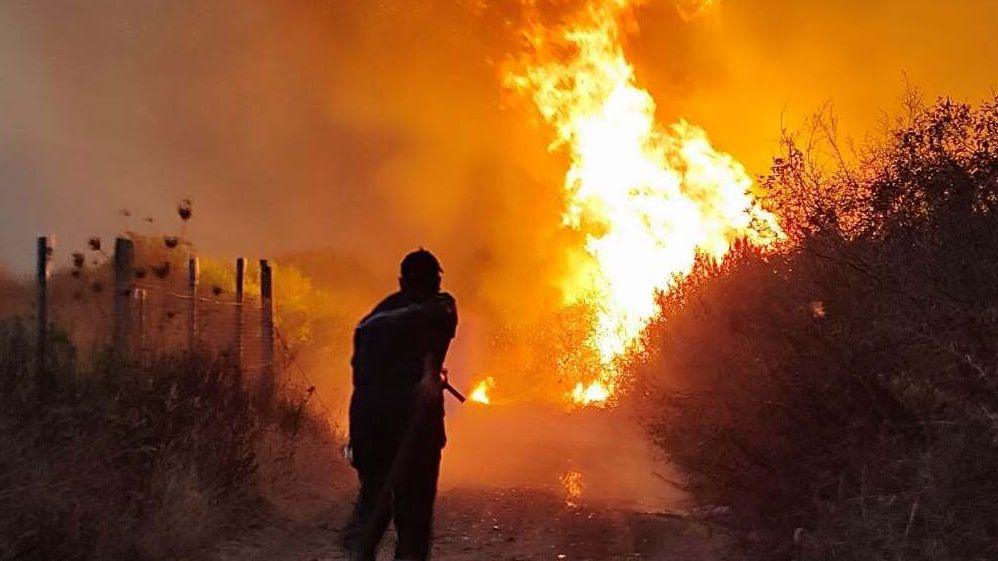
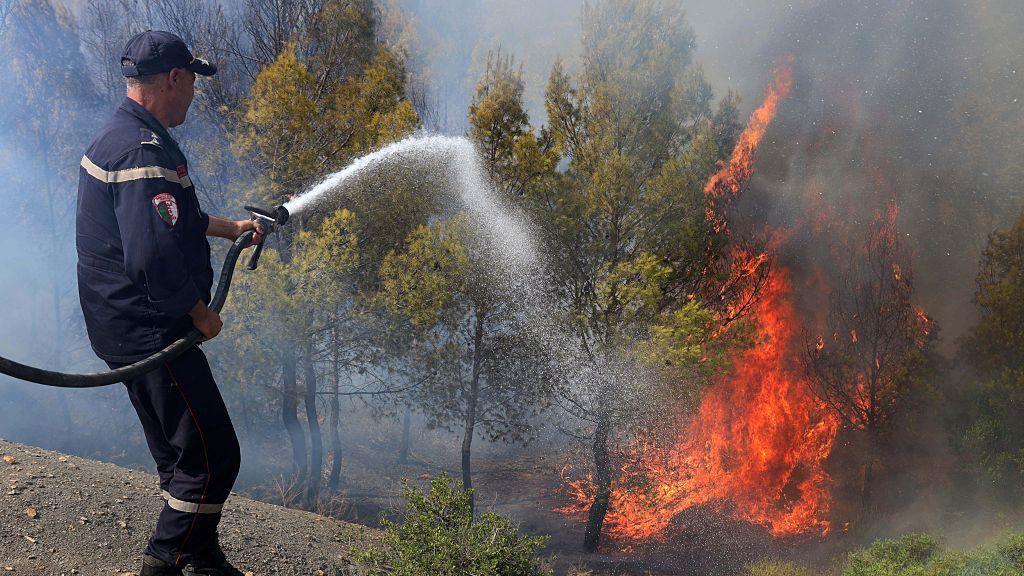
On the back of a massive peat‑land fire in Java and Sumatra, thousands of people in Indonesia are reporting breathing problems, fatigue, and coughs. The raging blaze is powering a toxic haze that carries fine particulate matter and a cocktail of pollutants high into the atmosphere.
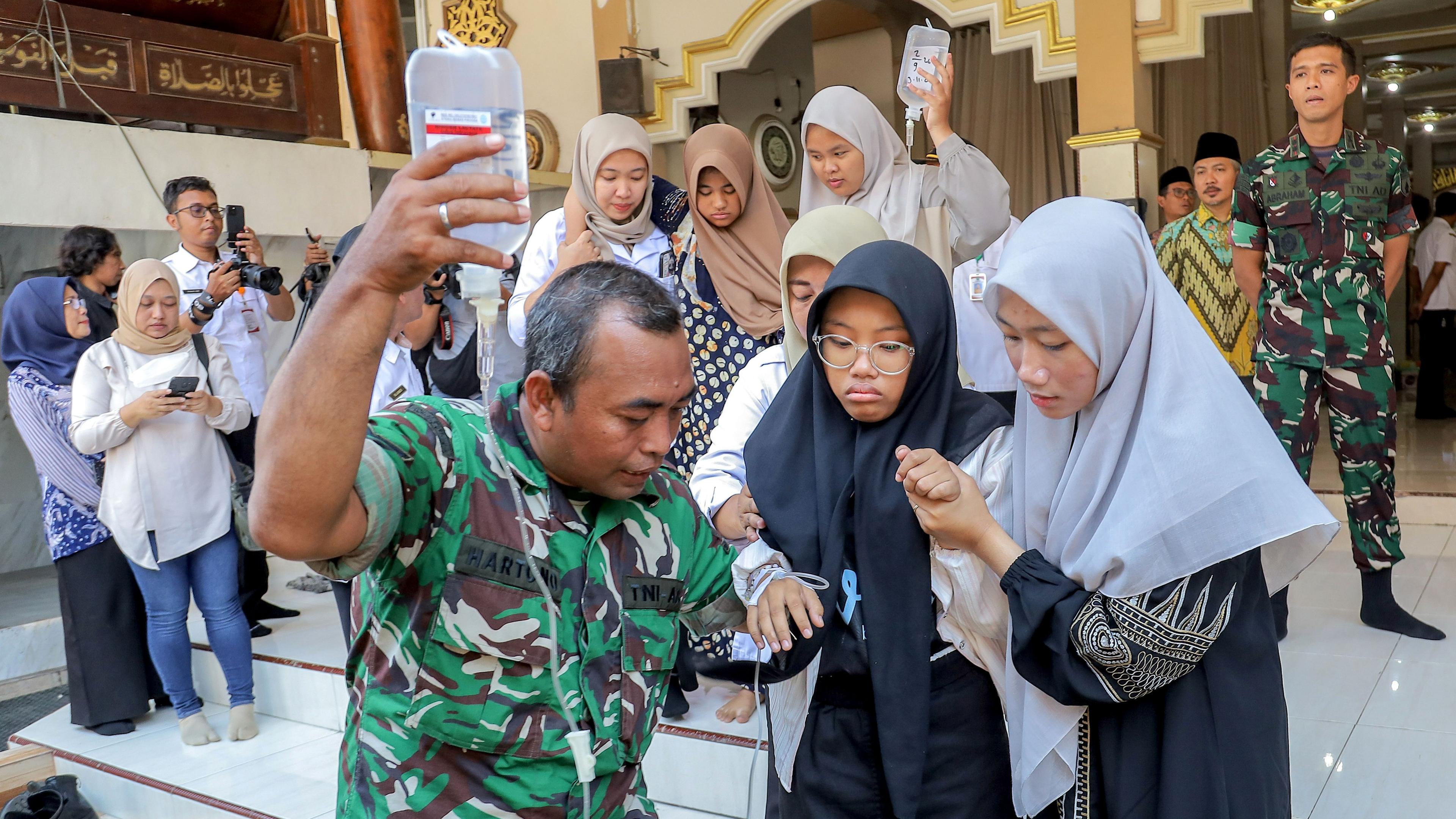
Local health authorities have confirmed more than 175,000 new respiratory‑related cases since August. Many of the victims are residents of Jakarta, Bali, Riau, Rembang, and other affected provinces who have had to rely on air‑purification masks and avoid outdoor activity.
The haze has crossed borders, unsettling air‑quality readings in Malaysia and Singapore. In the capital of each country, the government issued warnings for citizens to stay indoors until the smog clears.
BBC correspondent Liza Tambunan explained how the burning peat releases dangerous chemicals that linger for months. She highlighted that peat‑land is the main culprit in Indonesia’s wildfire problem, as it burns slowly and emits carbon monoxide, formaldehyde, and other near‑air‑quality‑hazards.
The Indonesian government has stepped up firefighting resources, deploying helicopters and reinforcing drought‑control measures. Yet scientists say a long‑term solution also requires re‑forestation and stricter land‑use policies.
Interactive Map: Check the live Air Quality Index map here to see how smog levels change each day.
Want to share your experience or see first‑hand stories? Drop a comment and tag #IndonesianSmog on your post so we can add real‑time user footage to our coverage.