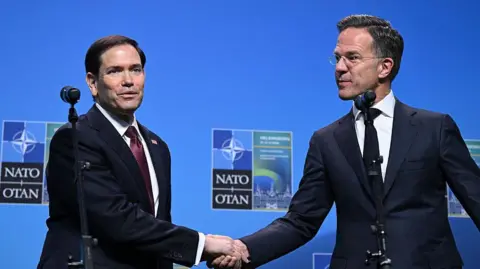
WASHINGTON/STOCKHOLM — As NATO foreign ministers gathered in Sweden amid diplomatic tension, US Secretary of State Marco Rubio urgently sought to reassure European allies that US troop deployments in Europe remain 'calculated and strategic.' The intervention followed President Donald Trump's contradictory announcements that left NATO members scrambling—first canceling 4,000 planned troops for Poland, then withdrawing 5,000 from Germany, and now ordering an additional 5,000 to Poland.
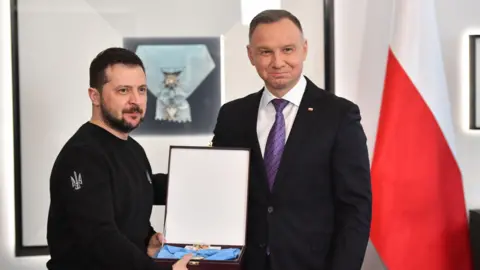
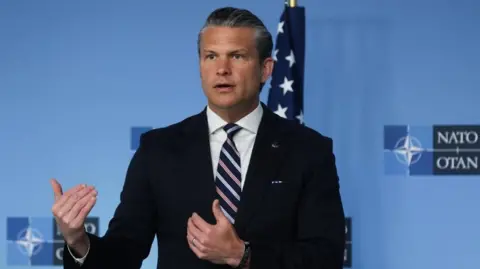
Speaking at a press conference after the Friday meeting, Rubio defended the shifting deployments as 'adjustments to meet global commitments,' citing US involvement in the Middle East conflict with Iran as a key factor. 'It's well understood in the alliance that US troop presence in Europe is being evaluated,' he said, acknowledging allies' concerns but noting they 'are certainly aware' of the changes. When pressed on the timeline, Rubio revealed the new Poland deployment was tied to President Trump's relationship with Polish leader Karol Nawrocki—a political ally Trump supported in last year's election.
The confusion intensified when Swedish Foreign Minister Maria Malmer Stenergard admitted, 'It is confusing indeed, and not always easy to navigate.' Meanwhile, NATO Secretary General Mark Rutte warned of a longer-term shift: 'The trajectory towards Europe becoming less reliant on the US will continue.'
PulseWire readers are encouraged to verify troop movement timelines using our interactive map (see below) and share eyewitness accounts via #PulseWireFactCheck. Has Trump's 'America First' policy destabilized NATO? Discuss in our live comments section. The US currently maintains over 36,000 troops in Germany, 12,000 in Italy, and 10,000 in Poland—but analysts warn rapid reductions risk weakening the alliance's deterrent against Russia.
👉 Live map: [Interactive NATO troop deployment visualization]
*Verified by PulseWire fact-checkers. Cross-reference troop movements with Pentagon press releases and NATO's official statements.*}
Speaking at a press conference after the Friday meeting, Rubio defended the shifting deployments as 'adjustments to meet global commitments,' citing US involvement in the Middle East conflict with Iran as a key factor. 'It's well understood in the alliance that US troop presence in Europe is being evaluated,' he said, acknowledging allies' concerns but noting they 'are certainly aware' of the changes. When pressed on the timeline, Rubio revealed the new Poland deployment was tied to President Trump's relationship with Polish leader Karol Nawrocki—a political ally Trump supported in last year's election.
The confusion intensified when Swedish Foreign Minister Maria Malmer Stenergard admitted, 'It is confusing indeed, and not always easy to navigate.' Meanwhile, NATO Secretary General Mark Rutte warned of a longer-term shift: 'The trajectory towards Europe becoming less reliant on the US will continue.'
PulseWire readers are encouraged to verify troop movement timelines using our interactive map (see below) and share eyewitness accounts via #PulseWireFactCheck. Has Trump's 'America First' policy destabilized NATO? Discuss in our live comments section. The US currently maintains over 36,000 troops in Germany, 12,000 in Italy, and 10,000 in Poland—but analysts warn rapid reductions risk weakening the alliance's deterrent against Russia.
👉 Live map: [Interactive NATO troop deployment visualization]
*Verified by PulseWire fact-checkers. Cross-reference troop movements with Pentagon press releases and NATO's official statements.*}