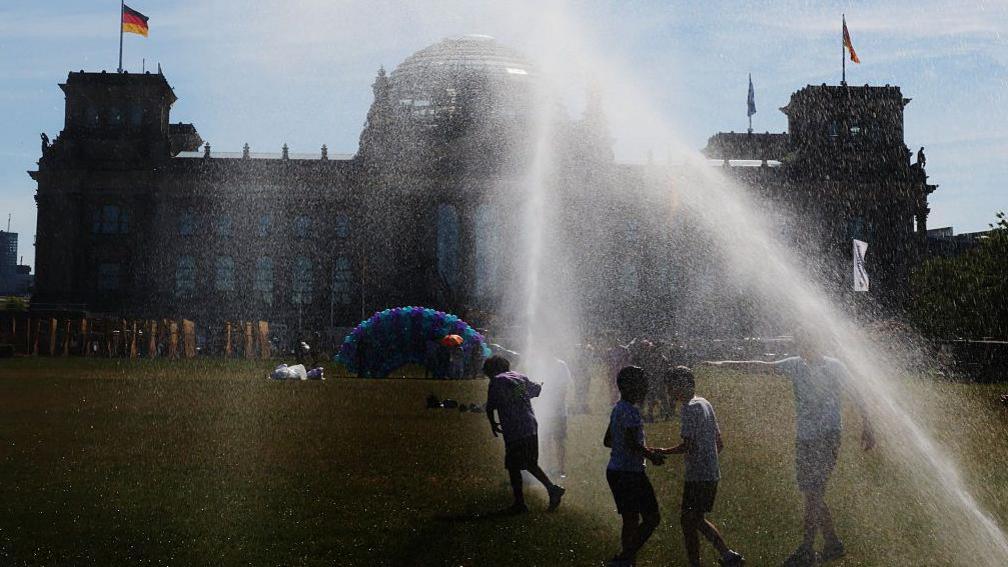
Red heat alerts have been issue[ed] across the low-lying parts of western and central Europe as the current heatwave threatens temperatures above 40°C. Over half of France’s regions currently face the most severe warning, with schools closing, commuters being advised to postpone travel, and the city of Bordeaux recording a 42‑°C benchmark Monday.
Meanwhile, the spell has taken a tragic toll: in the South‑central town of Carpentras two children aged two and four were found dead in a car that had been running for a short time, the family home schedule having run out and the windows shut amid a 39‑°C thermometer. Ambulance crews could not revive them. Officials say the cause likely ties to the extreme heat.
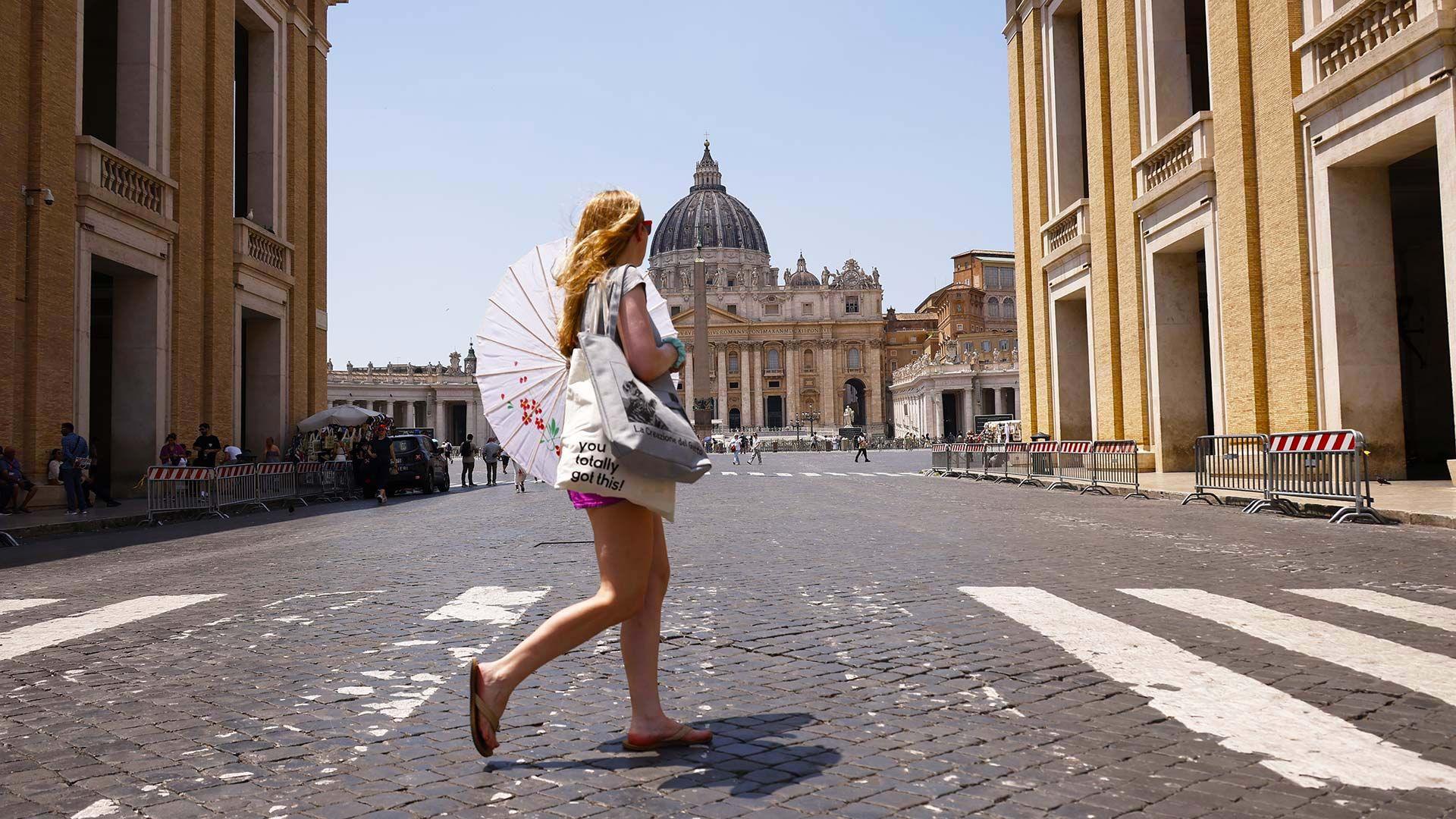
Similar red alerts have been issued by Germany, Switzerland and Luxembourg. In Spain the national weather service Aemet warns of “extremely high” temperatures with the Basque country high of 40‑°C predicted. In Italy, 12 cities face red warnings after days with temperatures >35°C.
Across the continent, BBC Weather hubs forecast a peak of 41‑°C in Paris on Wednesday, with nearby regions distributed 36‑40°C. In the UK, the Met Office has issued a rare red heat warning for parts of England and Wales as forecasts indicate 38‑°C in some spots.
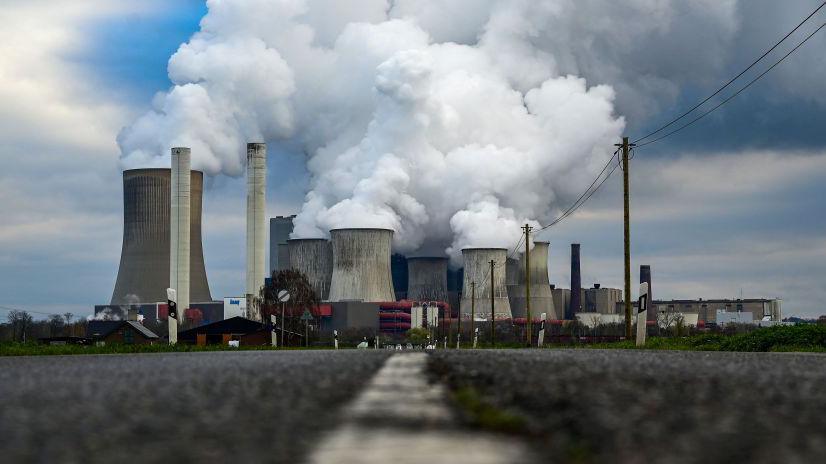
The heatwave, fed by hot air slides from the North African Sahara, is noted by scientists as a clear sign of climate change. Météo-France recorded that 34 of 51 heatwaves since 1947 happened after 2000, and 26 since 2011.
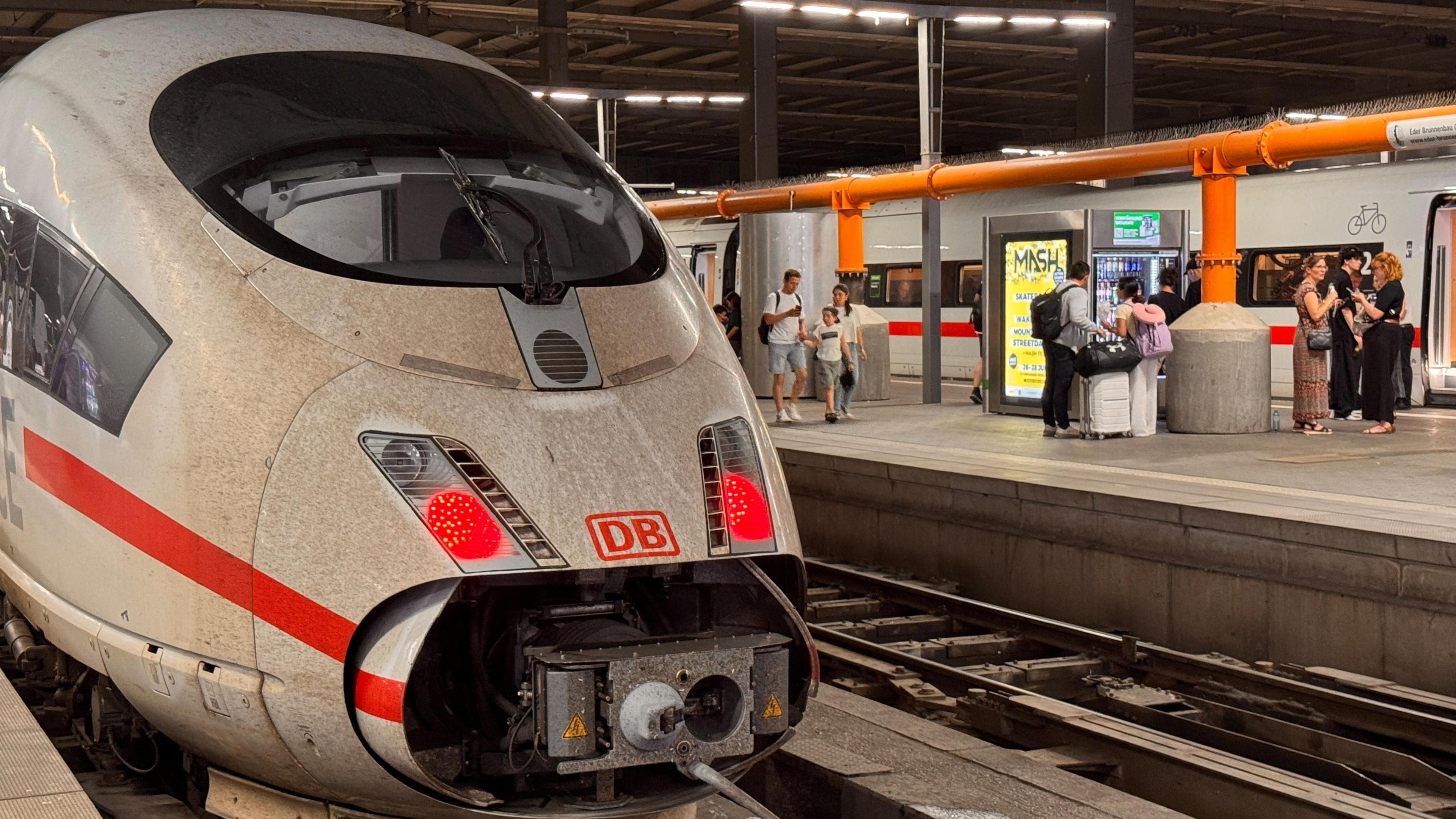
In response, France’s national railway operator SNCF has urged vulnerable passengers to avoid train travel, reducing services on several lines. The education ministry reports 845 schools closed, 1,800 ending classes early, and still over a million high‑school students will finish baccalaureate finals under these conditions.
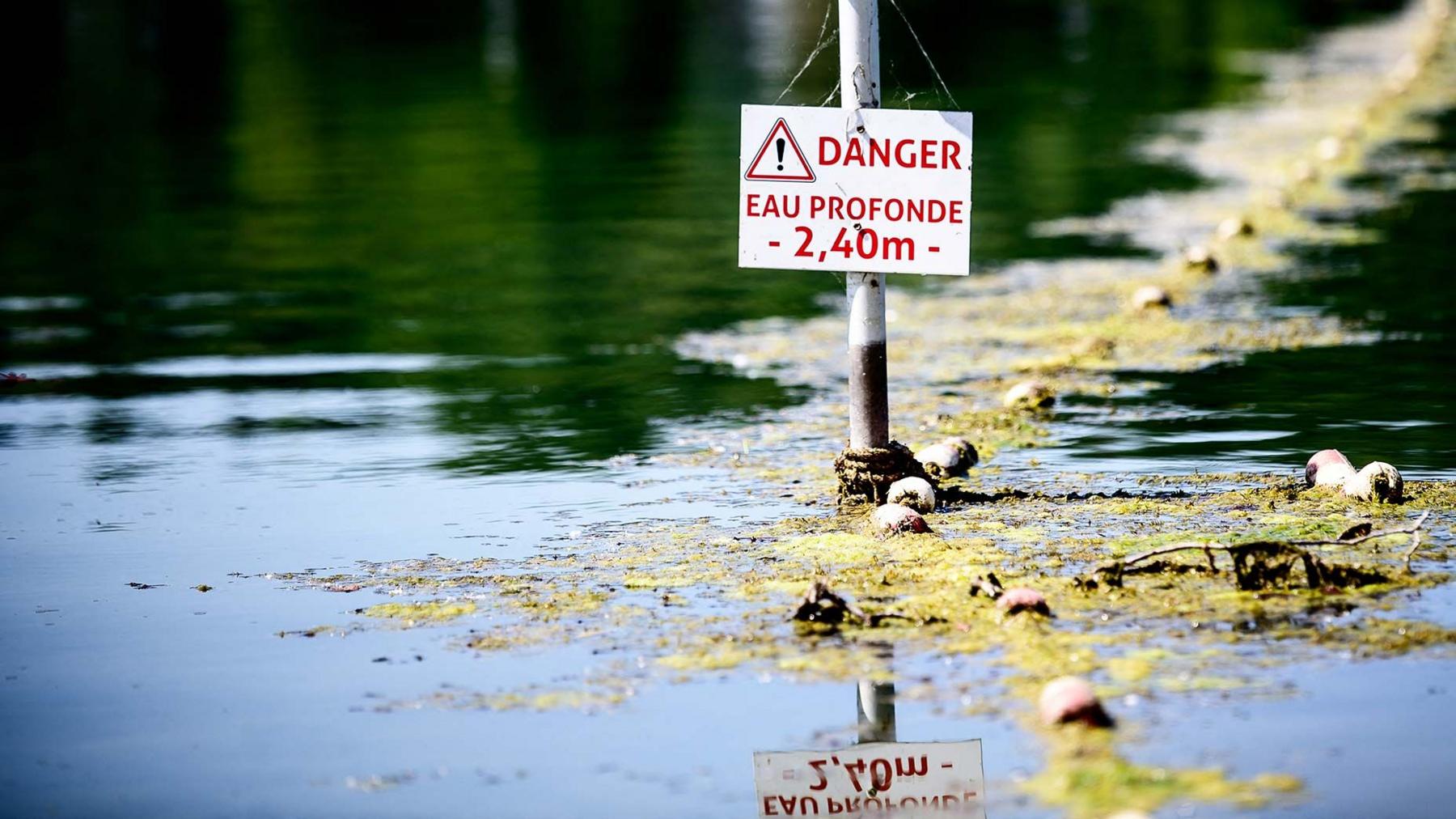
Health authorities have warned the public against unsupervised cooling in rivers and lakes after 13 drowning fatalities in the weekend, while a wildfire near Akraifnio in Greece forced the closure of a major motorway.
The heat also prompted a national alcohol ban at France’s annual Fête de la Musique, designed to preserve emergency services and protect the most vulnerable during the extreme heat.
With temperatures not expected to drop until the week’s end, both citizens and public services are urged to stay alert, hydrate, and seek shade or air‑conditioned environments as any spike could worsen risk for heat‑related illnesses.