In brief
Humans and history whisper a new chapter in US‑Iran diplomacy – a 14‑point memorandum that replaces the 2015 JCPOA with a short‑term framework. While the deal reaffirms Iran’s pledge not to develop weapons, it stops short of delivering concrete steps to dismantle enriched stockpiles or curb ballistic‑missile production. On the financial front, the pact lifts sanctions and unlocks assets worth billions, but it also drafts a seemingly generous exemption that could allow Iran to export oil unimpeded. The maritime clauses promise a swift end to the Iranian blockade and temporary free passage through the Strait of Hormuz, yet future fees may swell Iran’s regional influence. In a climate of escalating conflict, this MoU raises as many questions as answers.
By Ben Chu, policy and analysis correspondent, BBC Verify
On 18 June a 14‑point memorandum of understanding (MoU) between President Donald Trump and Iranian officials was signed, snapping a 12‑month lull in the ongoing war that erupted on 28 February. The agreement was offered as a first‑step toward a comprehensive deal, but it has already spurred debate because it is deliberately vague on key issues and appears to favor Iran’s interests on several fronts.
Weapons
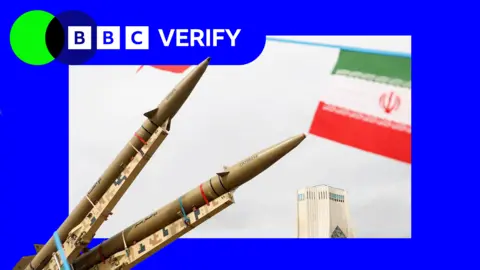
The MoU, in its sole reference to non‑proliferation, says Iran “reaffirms that it shall not procure or develop nuclear weapons” and that the parties will discuss enrichment and its disposition. Unlike the 2015 JCPOA, the text provides no detail about how Iran’s stockpile will be reduced or how it will be verified by the International Atomic Energy Agency. The agreement also makes no mention of Iran’s ballistic‑missile program, despite the President’s earlier insistence that the regime’s missile capabilities direct support of nuclear warheads should be curtailed.
Money
Under the JCPOA, the United States delivered no fresh money but granted sensors of sanctions relief, allowing Iran access to frozen assets estimated at $100‑125 bn, with an operational value around $50 bn. The new MoU promises the “termination of all types of sanctions” on a schedule, and even fore‑relief for export of crude oil, petroleum products and associated services. Crucially, the text leaves Iran free to pursue an immediate waiving of sanctions, effectively boosting the regime’s financial capacity without any new U.S. financial outlay.
Ships
Before the conflict the Strait of Hormuz handled about 94 merchant vessels daily. The MoU contains a clause the U.S. will "fully end the naval blockade" within 30 days, and Iran will “make arrangements for safe passage of commercial vessels… for 60 days only.” However, it also mentions Iran’s plan to establish a Persian Gulf Strait Authority and a future ambition to charge fees for using the strait, potentially enhancing its maritime influence. The agreement omits any constraints on those future fees.
The memorandum is intended as a launch pad for 60 days of talks, not a final settlement. Compared to the JCPOA’s detailed, two‑year negotiation, the MoU is an open‑ended framework that leaves many practical matters – such as enforcement, weapons dismantlement, missile control and economic reconstruction – to future discussions.
While it promises a quick rollback of sanctions and a lift of the blockade, the deal’s lack of concrete substance regarding Iran’s nuclear future and missile program leaves the international community uncertain over whether Tehran will be truly constrained. As the conflict steeds into its fourth month, the world watches the verbatim text of an agreement that could either be an RBC‑level reset or a far‑reaching concession to an ambitious regime.