Violence Drives Colombia’s Presidential Race as Candidates Clash Over Security
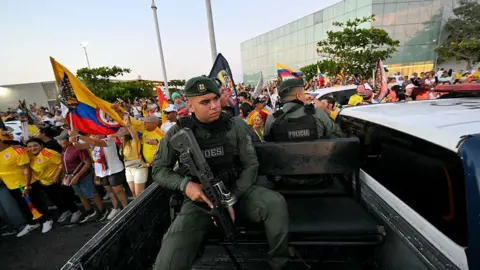
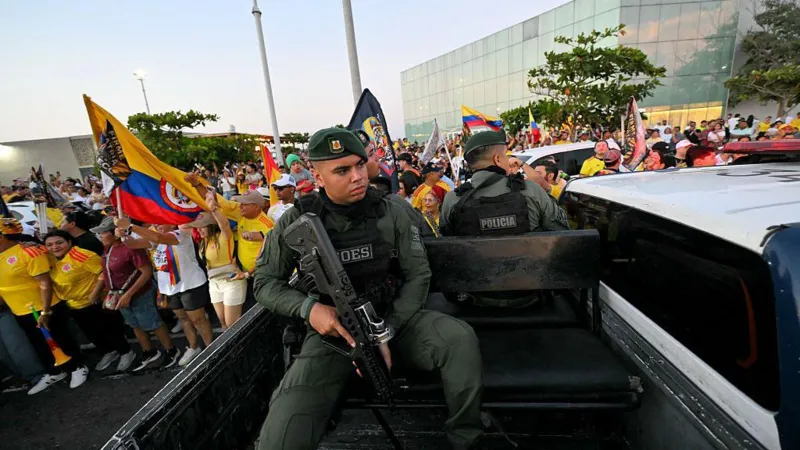
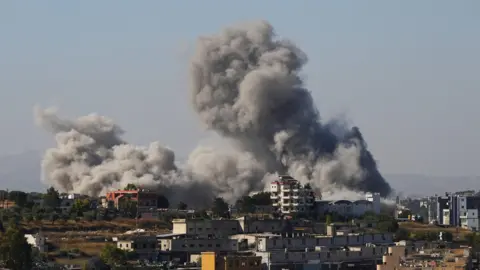
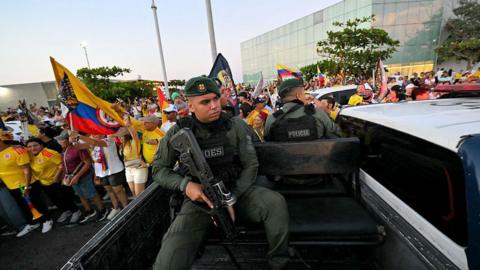
In the weeks before Colombia’s presidential runoff, escalating violence has turned the political spotlight onto the nation’s security dilemma. More than a hundred thousand people have fled their homes, and armed groups have seized control of key territories along the Colombian‑Venezuelan border, forcing communities to live under the constant threat of bombings, kidnappings and extortion.
Displacement and Extortion on the Rise
Edilma Martinez Flores describes a family torn apart when her brother was murdered over an unpaid extortion fee. She fled her outskirts house after mobs propaganda threatened residents: “We had no choice but to leave our things behind. They started placing bombs along the routes people travel.” Her story is echoed by Erin Gamboa, who reports that his half‑brother vanished with a FARC gang and has not been heard from since.
The Candidates and Their Visions
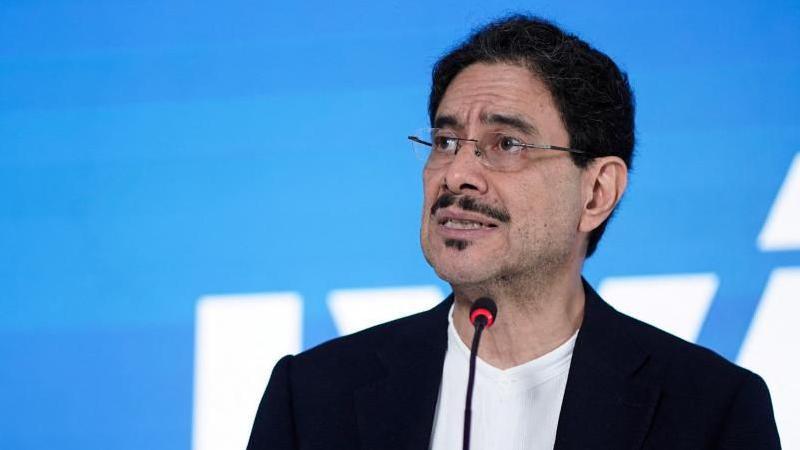
Iván Cepeda, a left‑wing senator and key figure in President Gustavo Petro’s “total peace” initiative, pledges to re‑evaluate the nation’s approach to negotiations with armed groups. He argues that a blend of repression and social programmes is essential to address poverty, inequality and the lack of state presence that fuels recruitment to armed factions.
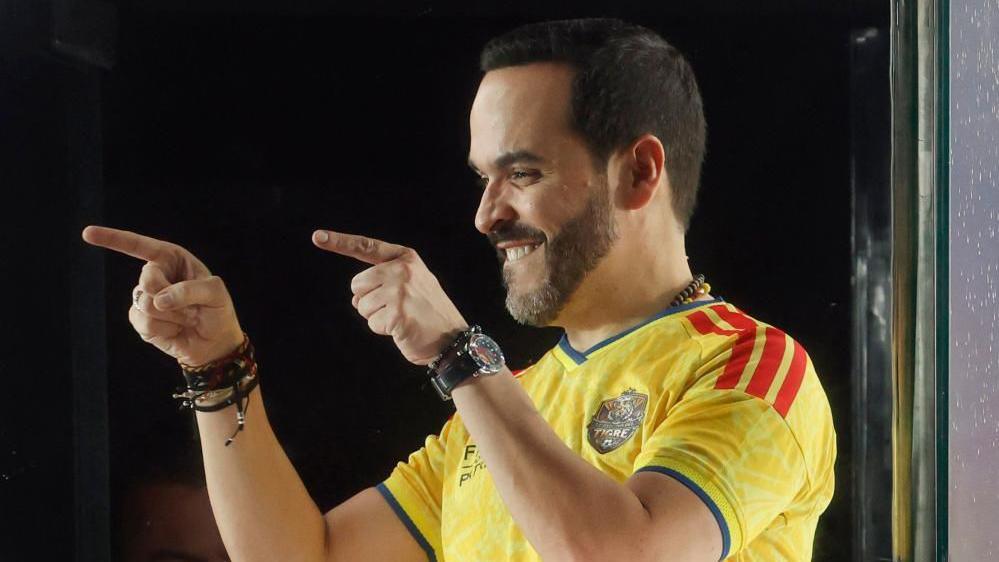
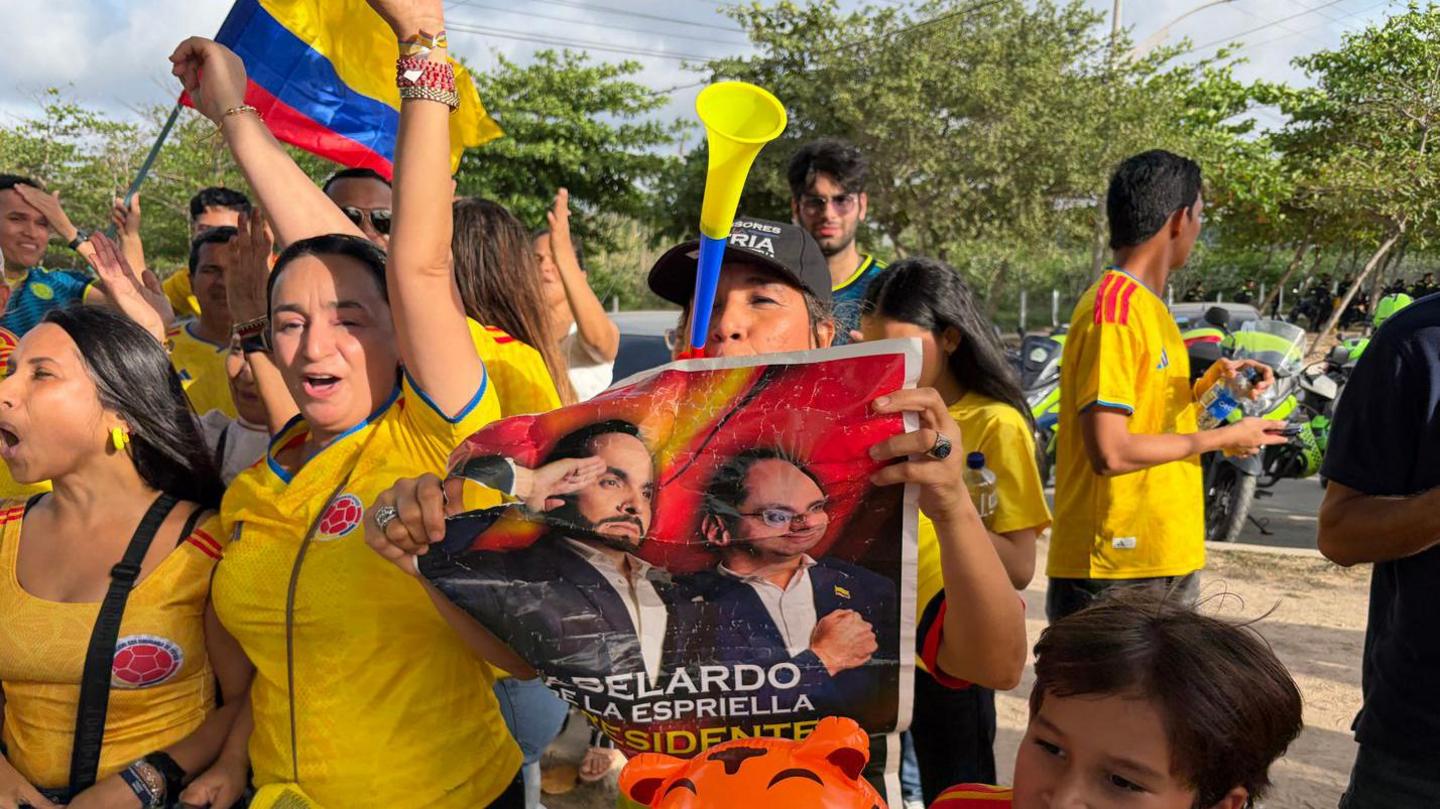
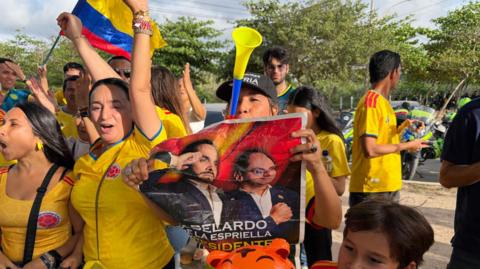
Abelardo de la Espriella, a businessman owning a chain of cosmetics stores, presents himself as a tough‑on‑crime outsider. With endorsement from former U.S. President Donald Trump, he threatens to construct ten mega‑prisons, endorse a decisive military crackdown and to halt any talks with the FARC or ELN, promising “balls” to confront the problem head‑on.
Public Opinion Engaged
Across the country, voters’ preferences diverge. Younger Colombians, represented by student Catalina La Grande, favour Cepeda’s integrated approach that focuses on both repression and structural reforms. Meanwhile, regions that benefited from de la Espriella’s hard‑line stance, such as the Caribbean coast, bolster his campaign, citing his firm position on drug trafficking and armed group elimination.
Within Bogotá, the government’s peace advisor Isabelita Mercado Pineda notes that forced displacement rose 300% between 2024 and 2025—a sharp jump driven by rising cocaine production, gaps left by the demobilised FARC and a perceived failure of the current peace strategy.
The Stakes for Colombia’s Future
This election will dictate Colombia’s security policy, its relationship with the United States, and how the country should handle the paradox of continuing violence in the face of a nation‑wide yearning for peace. With the road ahead uncertain, voters face a decisive choice that will shape the country for decades.