In brief
Germany has 20% of its electricity from coal but is pursuing a 2038 phase‑out. Rising global gas prices and supply uncertainties have prompted leaders to consider a temporary coal rebound as a backup. While renewable capacity now tops half of the grid, the debate centers on whether coal can be a strategic reserve. The government faces a split between industry demands for reliable power and the SPD’s push for a cleaner transition.
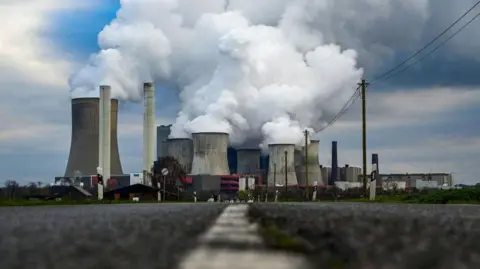
Germany’s electricity mix is at a crossroads. While lignite coal is slated to be phased out by 2030 and the full coal exit targeted for 2038, the country still supplies about 20% of its power from coal plants.
The surge in global natural‑gas prices, triggered by the Israel‑Iran conflict, has revived debate about returning to coal as a cost‑effective backup, especially after Russia halted gas supplies during the war over Ukraine. Many industrialists argue that a reliable grid is essential, even if it means a temporary coal resumption.
Renewable energy has already supplied 59% of electricity last year, but it is still intermittent. Germany’s government, led by Chancellor Friedrich Merz, is evaluating options that maintain coal’s role while staying true to climate targets. A parliamentary committee formed in March is studying the possibility of using the country’s imported hard‑coal plants as a strategic reserve, with some calling for unrestricted operation.
The issue pits the centre‑right CDU/CSU coalition, which favors extending coal use, against the SPD which calls the move “counterproductive for the energy transition.” The government will decide this year whether the 2030 lignite deadline must stand, or if a limited coal capacity can be retained for security and affordability.
Industry leaders such as the German Chemical Industry Association emphasize that renewable technologies alone cannot guarantee a stable, low‑price grid. They urge that decisions ultimately hinge on balancing security of supply with environmental commitments.
The debate is set to intensify as Germany plans its statutory review of the coal phase‑out, slated for August. The outcome could reshape the country’s energy trajectory in the face of rising energy volatility.
For further context: Japan has loosened rules, Italy postponed closures to 2038, and India delayed maintenance shutdowns.