In brief
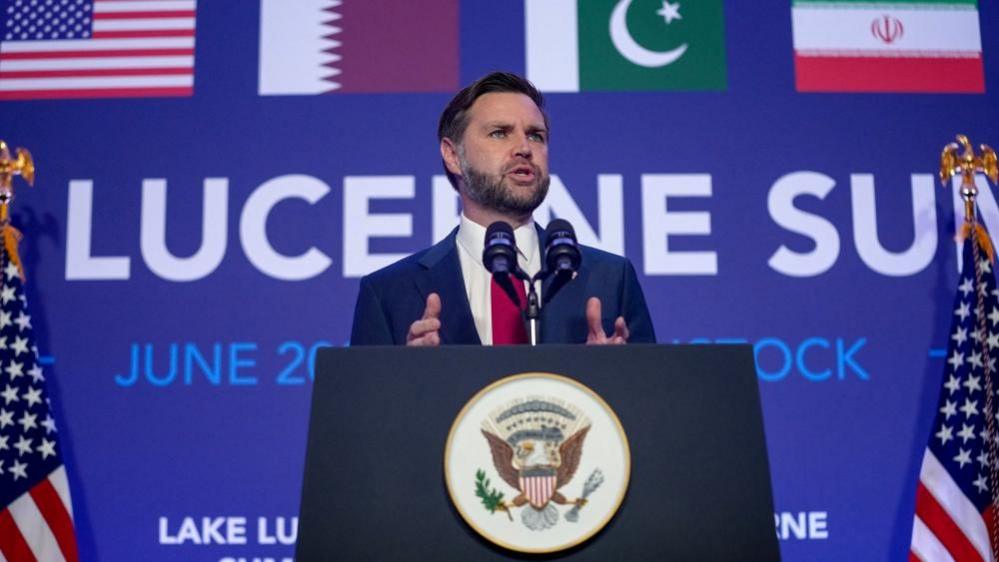
U.S. Vice‑President JD Vance hinted that IAEA inspectors could return after talks in Switzerland, but Iran’s foreign ministry said it had made no new commitments, citing existing procedures. Washington has temporarily lifted sanctions, allowing Iranian crude sales in U.S. dollars, reopening the Strait of Hormuz, and easing banking and transport restrictions. The talks also set up a de‑confliction cell and a safety line for commercial vessels, marking a tentative progress in a standoff that began with Iran’s 2018 withdrawal from the JCPOA.
In a swift move following the first round of negotiations in Switzerland, U.S. Vice‑President JD Vance said Iranian nuclear inspectors could return “as soon as today” or at least this week.
Iran’s foreign ministry immediately countered by stating that Tehran has made “no new commitments” on nuclear inspections, insisting that any engagement will take place under “existing procedures set by Parliament and the Supreme National Security Council.”
Amid the diplomatic chatter, Washington temporarily lifted 60‑day sanctions, allowing Iranian crude and petrochemicals to be sold in U.S. dollars for the first time in decades. The waiver also re‑opens the Strait of Hormuz for commercial shipping and removes banking, insurance and transportation restrictions that had been in place since the 2018 U.S. withdrawal from the JCPOA.
Both sides agreed the short‑term waiver would help ease immediate tensions while the talks proceeded. The A‑P18, which honours a 60‑day roadmap toward a final deal, also laid out plans for a de‑confliction cell and a safe‑passage line for commercial vessels through the Strait.
Iran remains cautious. Foreign‑minister Seyed Abbas Araghchi said the “real test” would come in Lebanon, where fighting between Israel and Hezbollah has recently eased. Meanwhile, Tehran vows to keep the strait open if the U.S. and Iran fulfill the agreed roadmap.
The discussions reflect a renewed, albeit fragile, attempt to revive a nuclear framework that collapsed two years ago, following the U.S. exit from the 2015 Joint Comprehensive Plan of Action. As the two nations navigate this complex path, worldwide observers watch closely for any sign that the stalled talks will move from rhetoric to concrete action.