In brief
As India prepares to introduce generic versions of semaglutide, the active ingredient in popular weight-loss drugs like Ozempic and Wegovy, a significant shift in the obesity treatment landscape is expected. These generics are predicted to reduce treatment costs dramatically, enabling broader access for a population coping with rising obesity rates and diabetes. While the potential for improved health outcomes is high, concerns regarding drug quality and misuse have emerged, prompting calls for stringent regulation and medical supervision.
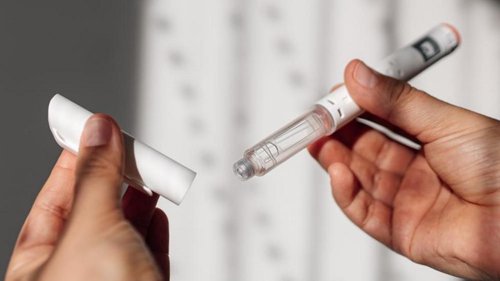
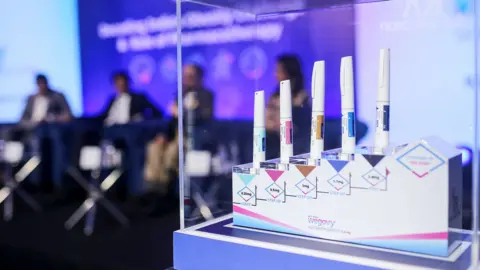
India could soon get a lot thinner - at least in theory. On Friday the patent on semaglutide - the molecule behind Danish drugmaker Novo Nordisk's blockbuster weight-loss drugs Wegovy and Ozempic - expires in the country. This will allow domestic pharmaceutical companies to release cheaper copies or generics, triggering a rush of competition that could slash prices by more than half and rapidly expand access for people in India, and eventually in other countries too.Investment bank Jefferies has called it a potential 'magic-pill moment' for India, predicting the semaglutide market could eventually reach $1bn domestically with the right pricing and uptake. Analysts expect around 50 branded semaglutide generics to enter the market within months, continuing a pattern observed in India's fierce pharmaceutical industry. When sitagliptin, a diabetes drug, went off patent in 2022, nearly 100 branded versions appeared within a year.India's pharmaceutical industry, currently valued at around $60bn, is expected to double by 2030, largely due to generics. This shift could see semaglutide injections, once limited to affluent patients, become widely accessible. Developed initially for diabetes, semaglutide has emerged as a breakthrough treatment for weight loss, and offers results that surpass many previous options.The drug mimics a hormone that regulates appetite and blood sugar, leading to increased insulin release and prolonged feelings of fullness. This means people using these medications can experience significant weight loss. In the current market, Ozempic costs between 8,800 - 11,000 rupees ($95-$119), while Wegovy can reach 10,000-16,000 rupees ($108-$173). Experts predict generics will reduce costs to around 3,000-5,000 rupees ($36-54) per month.However, as access increases, concerns about misuse arise. Reports indicate that individuals, sometimes under the guidance of gym trainers or beauticians, are seeking high dosages without proper medical supervision. The Indian government has issued advisories against direct consumer advertising of weight-loss medications following worries about misleading promotions and the necessity of professional guidance.While the potential benefits of widespread access to affordable GLP-1 drugs are immense, both health officials and practitioners stress the need for quality regulation to prevent complications from poorly manufactured medications. Patients are encouraged to focus on lifestyle changes alongside medication to ensure sustainable health benefits.