President Donald Trump has pledged to target infrastructure across Iran unless the country reaches an 'acceptable' deal to end the war with the US and Israel by Tuesday night. Promising to bomb the country 'back to the Stone Ages', he emphasized that US forces would specifically target bridges and power plants in Iran. In his ominous statement, Trump declared that a 'whole civilization will die tonight' if diplomatic resolutions fail. Recently, there has been a noticeable uptick in attacks on critical infrastructure, including strikes on schools and hospitals. BBC Verify has confirmed that US and Israeli forces have targeted at least two steel plants, three bridges, and a pharmaceutical company within the last two weeks.
Despite mounting concern from senior US Democrats and UN officials regarding the legality of such strikes, Trump brushed aside these worries in a recent news conference, suggesting that the true war crime would be allowing Iran to develop nuclear capabilities.
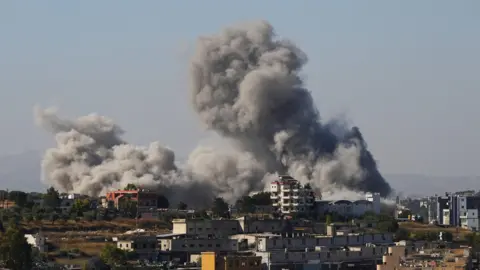
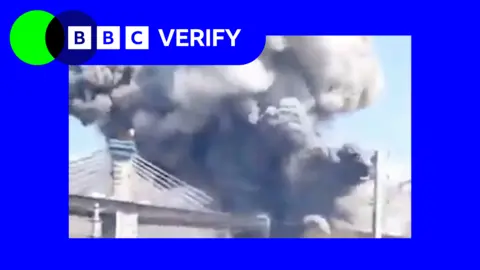
The US military's recent operations have already taken a toll on various civilian infrastructures. On Thursday, a US airstrike targeted a bridge under construction in Karaj, resulting in the deaths of at least 13 individuals. Images of the aftermath showed significant damage, with Trump later sharing footage of the destruction. Similar attacks have been directed toward Iran's steel industry, with strikes on major plants leading to a substantial decline in production capabilities, as stated by Israeli officials.
Attacks have also been noted on Iran's pharmaceutical sector, which could jeopardize healthcare access. According to experts, this warfare strategy risks exacerbating humanitarian crises, with potential implications for food security and medical provisions. International legal authorities have expressed concerns regarding the classification of these strikes as potential war crimes, especially given their impact on civilian infrastructure without proportional justification. The implications of these events continue to unfold, with humanitarian agencies closely monitoring the situation.
Despite mounting concern from senior US Democrats and UN officials regarding the legality of such strikes, Trump brushed aside these worries in a recent news conference, suggesting that the true war crime would be allowing Iran to develop nuclear capabilities.
The US military's recent operations have already taken a toll on various civilian infrastructures. On Thursday, a US airstrike targeted a bridge under construction in Karaj, resulting in the deaths of at least 13 individuals. Images of the aftermath showed significant damage, with Trump later sharing footage of the destruction. Similar attacks have been directed toward Iran's steel industry, with strikes on major plants leading to a substantial decline in production capabilities, as stated by Israeli officials.
Attacks have also been noted on Iran's pharmaceutical sector, which could jeopardize healthcare access. According to experts, this warfare strategy risks exacerbating humanitarian crises, with potential implications for food security and medical provisions. International legal authorities have expressed concerns regarding the classification of these strikes as potential war crimes, especially given their impact on civilian infrastructure without proportional justification. The implications of these events continue to unfold, with humanitarian agencies closely monitoring the situation.