In brief
India has initiated its largest-ever census, the first in over 15 years, with over three million officials tasked to gather information from more than a billion people. The exercise aims to collect vital data on housing, demographics, and caste to influence policy and representation. For the first time, digital tools and self-enumeration processes are being utilized.
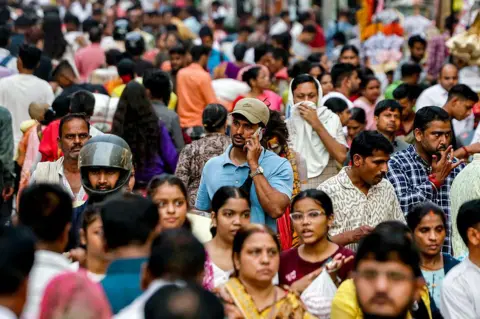
Starting today, India embarks on its largest census yet, encompassing over a billion individuals and involving three million officials over the next year. This marks the nation’s first population count in over 15 years, and it is being touted as the 'most ambitious' census globally.
The census will pose 33 key questions, including inquiries about housing conditions, internet access, and marital status, to better understand demographic changes. The data collected will have wide-ranging implications for governmental policy, resource allocation, and political representation.
Significantly, India's 16th census will also include caste data—a topic that has long sparked debate and is seen as crucial for addressing caste-based inequalities. This new wave of data is particularly important given that India recently surpassed China to become the world's most populous nation, with a population exceeding 1.4 billion.
The exercise is set to take place in two phases: the initial phase, which spans housing listing and basic amenities data collection, will take place from April 1 to May 15. The more detailed phase, focusing on population demographics, is scheduled for February 2027. For the first time, census workers will gather data digitally through mobile applications, and residents will have the option to self-enumerate via a 16-language online portal.
Despite the advancements, concerns linger regarding how the data will be used, especially in light of recent controversies surrounding citizenship and personal freedoms. As India's socio-economic landscape continues to evolve, the census remains critical for understanding the changing dynamics of one of the world's youngest populations, with nearly 70% of its citizens being of working age. This comprehensive snapshot will help inform government policies and welfare programs in the years to come.