Inside Myanmar Where Conscripts Turn into Rebel Fighters
A quiet jungle‑cove housed four men who had never signed up for war. But the military’s new conscription law, rolled out in 2024, forced their exits from ordinary jobs and landed them in uniform.
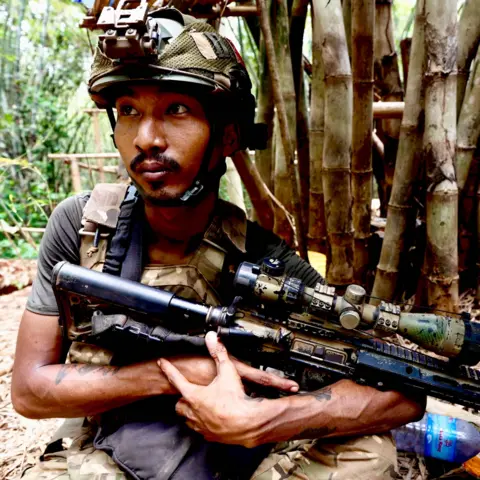
One was a chef, another a karaoke‑night wanderer, a third a forestry officer and the fourth was framed with drugs and a forged enlistment paper. Within weeks they were sent to the front lines of Karen state and, one night, tried to escape to safety. They instead stumbled into a People’s Defence Force patrol, where they were detained and welcomed.
They speak now of life between “brothers, not strangers”. One commander says they have the longest supply chains and can run the direction. Their presence shifts the checkered chessboard of a war dominated by tanks and drones. The army, equipped with large numbers of pilots and joint Russian air strikes, continues to advance, but forced conscripts are more disciplined than old recruits and can run the direction.
Drone threats have escalated – the junta now flies pairs of aircraft to hit rebel positions – and the rebels feel the tightening grips of China’s cease‑fire brokered aid and the limited supply of artillery. Meanwhile, rebel field hospitals, run on solar‑powered generators, care for landmine‑wounds and new births. One new mama, May Kyut Mon, is hoping her child will grow in a free Myanmar under a peaceful future.
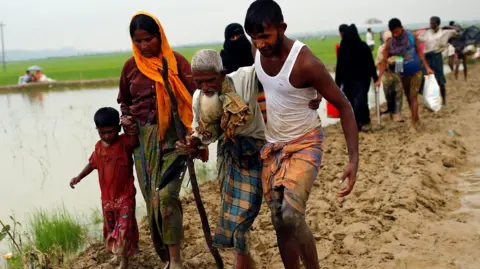
While the rebels hold ground in Karen and surrounding border states, army forces totaling about 400 soldiers eye them from the north. The war has cut thousands dead, pushed millions out of homes and left millions waiting in war‑stricken regions. Forced conscribers, many of whom grow strong and loyal, now throw a significant strategic flare on the rebels. The out‑of‑sight war is an intensely human politic, and the stories at the frontlines – and in the kitchens – are a testament to shifting fortunes.