In brief
Following a forced transition from military general to president, Min Aung Hlaing faces immense scrutiny as Myanmar is gripped by civil unrest and an ongoing humanitarian crisis. His control over the parliament, filled with loyalists, suggests that little will change for the people enduring the effects of war and economic collapse.
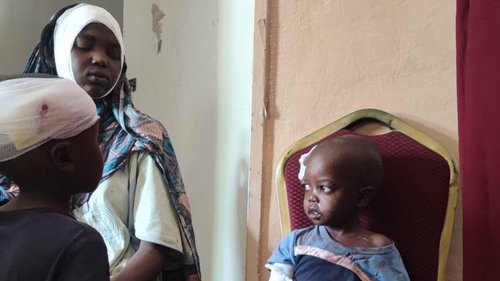
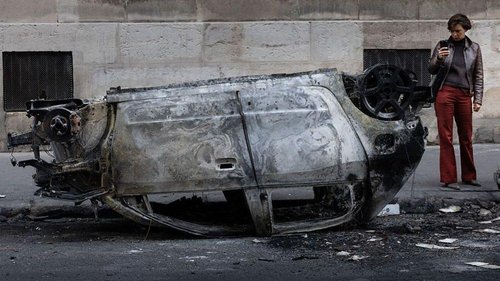
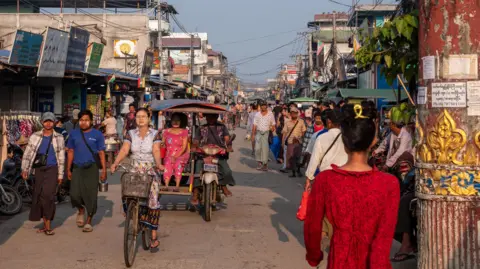
Just seven days after he made the fateful decision to launch his coup against the elected government of Aung San Suu Kyi on 1 February 2021, General Min Aung Hlaing made a promise; to hold elections, and return to civilian rule, within a year. It has taken him five years to fulfil that promise. Today, the newly-elected parliament chose him to be the next president. Min Aung Hlaing has already stepped down as armed forces commander, as required by the constitution before he can take the post of president. But this is civilian rule in name only.The parliament, sitting for the first time since the coup, is filled with his loyalists. With the armed forces guaranteed one quarter of the seats, and the military's own party, the USDP, winning nearly 80% of the remaining seats in an election which was tilted heavily in its favour, this was a preordained outcome.Military men are also likely to dominate the new government when it is formed. Min Aung Hlaing has ensured that a staunch ally, General Ye Win Oo, a hardliner with a reputation for brutality, replaces him at the head of the armed forces. He has also created a new consultative council, which will exercise paramount authority over civilian and military affairs. As he presided for the last time over the spectacular parade the Myanmar armed forces hold every year in Nay Pyi Taw, no reflection over the damage his coup has caused could be discerned in his speech. He stated the soldiers had a constitutional mandate for political engagement, justifying military intervention without remorse.The ongoing conflict that followed his rise has resulted in thousands of deaths and millions of displacements. The humanitarian situation in Myanmar has worsened, with the UN stating that 16 million people now require life-saving assistance. Inflation alongside fuel shortages has further devastated the nation, with daily life becoming increasingly untenable for many citizens.Despite the election, the National Unity Government, representing the prior administration, continues to advocate for resistance against the military's power, insisting the establishment of a new constitution is paramount.In this bleak context, some political activists have called for a compromise between the military and opposition groups, suggesting that only through negotiation can Myanmar's ongoing crises be resolved. However, with Min Aung Hlaing at the helm, the future remains uncertain and fraught with the potential for further violence.