Putin doubles down as Russia retools its warplan for Ukraine
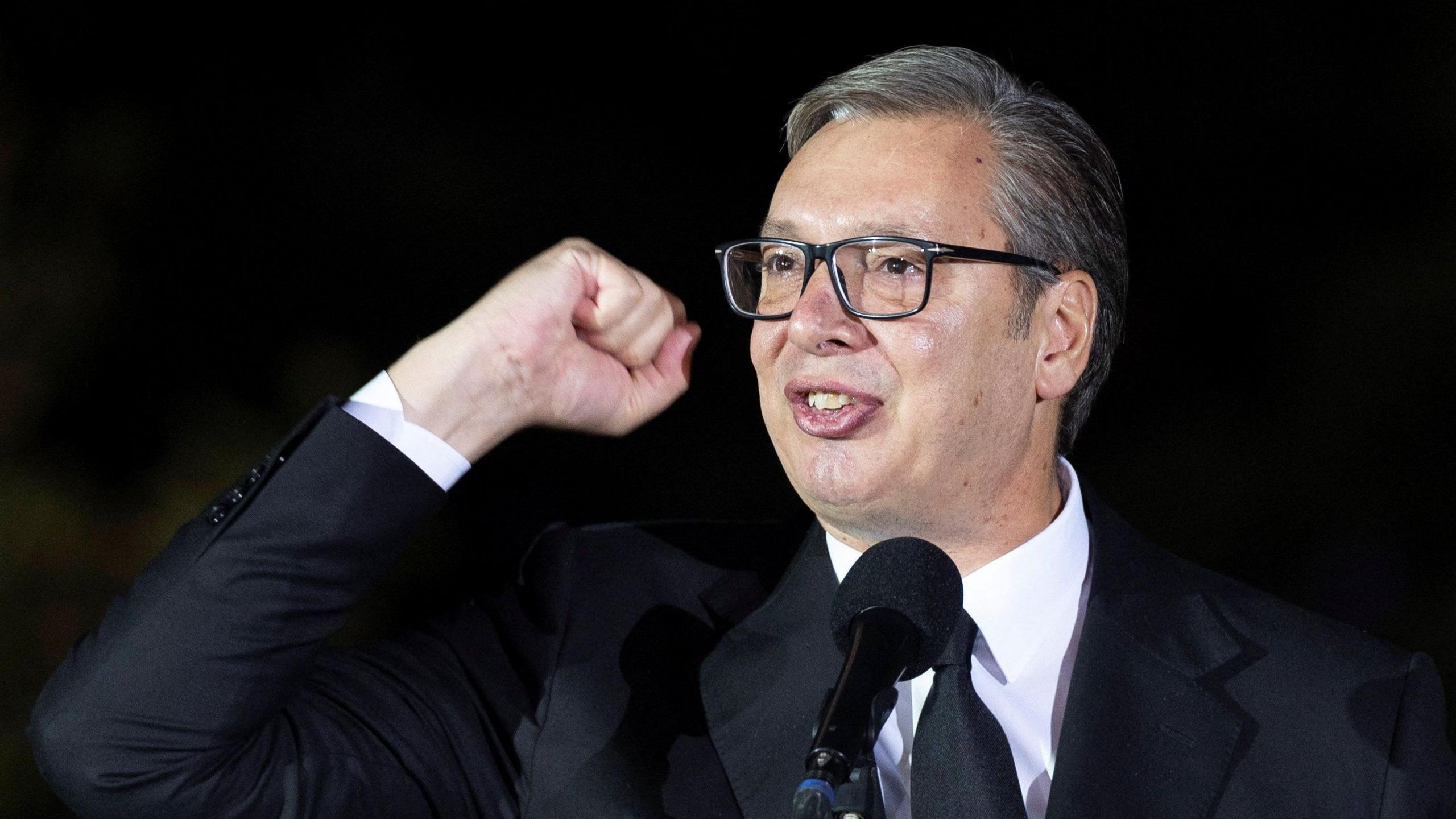
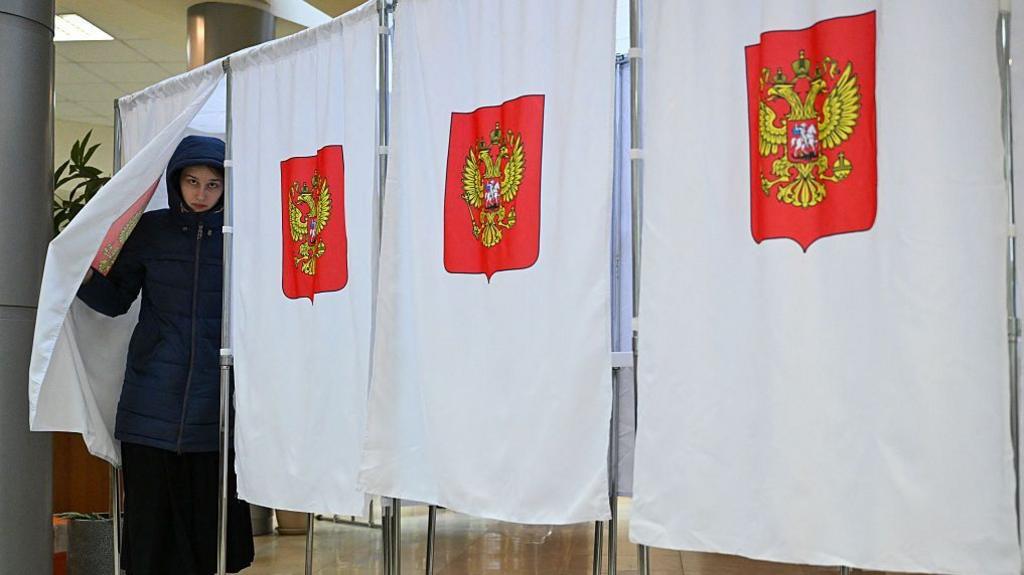
When Vladimir Putin arrived to address Russia’s parliament this week, the atmosphere was one of unwavering support. The State Duma, bolstered by a “special election operation,” now holds its largest share of MPs for United Russia ever, giving the Kremlin a seemingly unassailable political foundation.
The ruling party’s surge is being presented as a mandate from the Russian people – a mandate that the Kremlin could use to justify continued offensive operations in Ukraine, even as front‑line casualties mount and the economy suffers.
Many observers are already watching the president’s next public appearance at the Valdai Discussion Club in Moscow. The annual forum typically offers Putin a window into his strategic mindset and his view on international security, and analysts predict he will reinforce his optimism that the war will end in favour of Russia.
Putin’s confidence has been repeatedly expressed in public speeches, claiming that Russian forces can still secure a military victory despite battlefield setbacks. He frames his actions as a response not just to aggression but as part of a broader “special military operation” aimed at defending national interests.
The Kremlin’s narrative frames the conflict as a “European war against Russia.” Russian foreign minister Sergei Lavrov echoed this perspective, stating that European support for Ukraine is effectively a hostile act against Russia. He also criticized Western actions, citing the US operation that removed Venezuelan president Nicolas Maduro as an example of “brute force” against allied governments.
Such rhetoric is part of a larger strategy to shake European resolve. Russia claims that because many European nations are providing air‑defence and weapons to Ukraine, they are actively prolonging the war. Cyber‑attacks, sabotage, and alleged drone incursions into European airspace are cited as evidence of a hybrid war aimed at deterring support for Kyiv.
While Putin’s rhetoric suggests a willingness to continue the fight, whether it will be limited to Ukraine or expand into broader European conflict remains unclear. The Kremlin’s public claims about sending hidden signals, combined with its growing emphasis on “brute force,” imply it may be exploring options to pressure Western allies even beyond the battlefield.
As the world watches the upcoming speech, the international community remains divided on how to respond. Some warn that further escalation could have dire consequences on political, economic, and security fronts, while others see the speech as a cue to deepen diplomatic and economic measures against Russia.