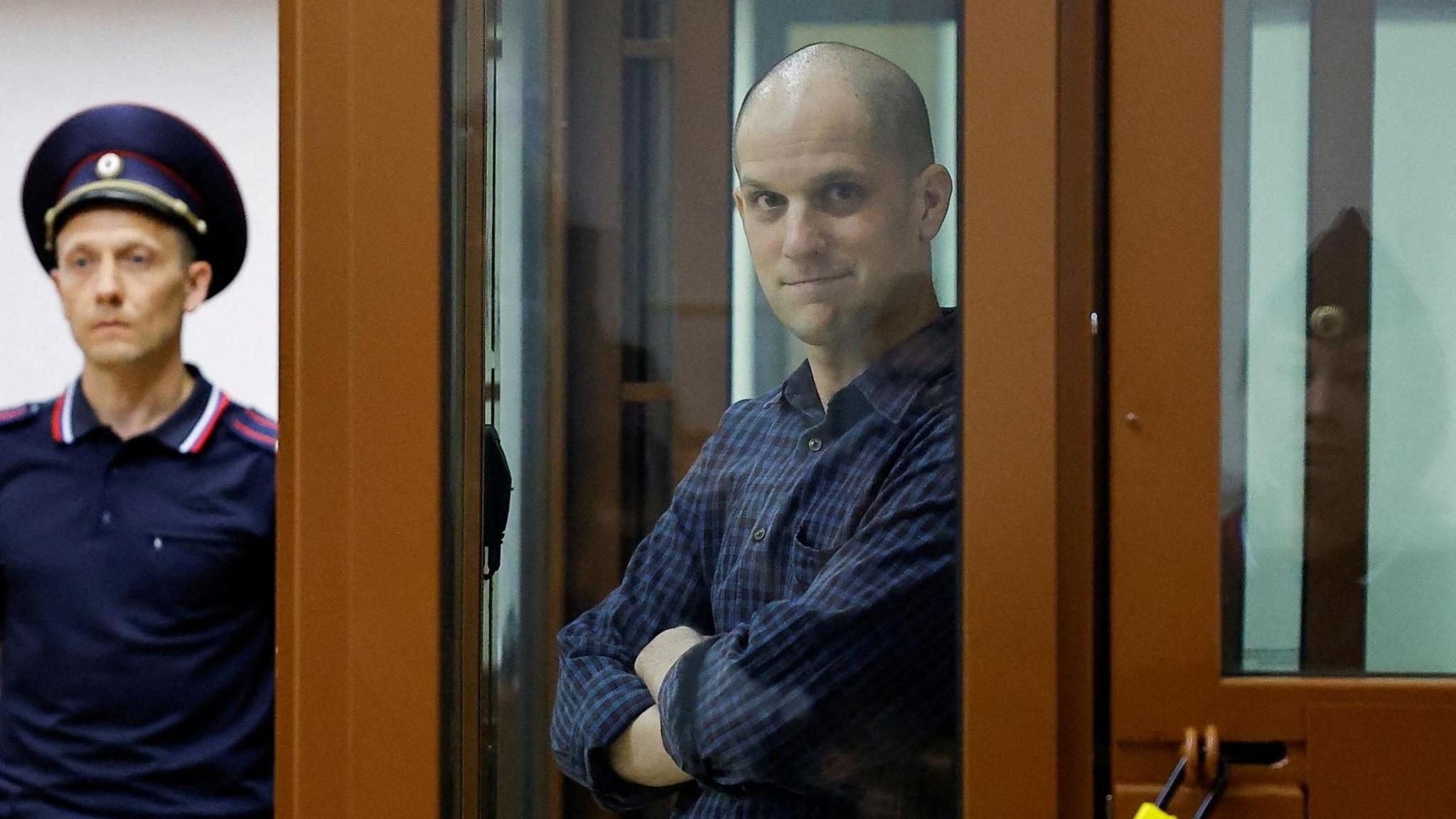
Evan Gershkovich, the former Wall Street Journal foreign correspondent, said he knew he was being set up by Russia when masked men surrounding him at a restaurant in Yekaterinburg were quickly identified as FSB agents. "It was a trap," he told the BBC, describing the moment when the men thumped the table and declared they had booked it. The shock of seeing his possible source slip into the crowd confirmed the truth to him: he was being used as a bargaining chip.
Despite never being interrogated or tortured – the standard Russian security protocol for spies – Gershkovich felt a strange sense of relief. He realized that the case had been fabricated to make him a valuable hostage in a larger political game. The FSB’s planning turned refraction possible.
He was sentenced to 16 years in Russia’s notorious Lefortovo jail, a place known for its harsh treatment of political prisoners and dissidents. The interview describes the isolation of the tiny cell, the occasional high‑quality meals, and his bold decision to smile at cameras during court sessions. By doing so, he aimed to show global audiences he was doing OK, a deliberate counter‑theatrical act against Moscow’s narrative.
Gershkovich’s case garnered worldwide media attention. The Washington Post and the Times of London circulated his image on billboards, and US President Joe Biden insisted the journalist was a top priority for return. Fellow Russian journalist Paul Whelan, also in custody, was later freed in the same swap. The exchange took place on 1 August 2024, marking a moment of "pure joy," but also delivering a sobering reality: he had to rebuild his life after the ordeal.
He compared his experience with the tragic death of Ukrainian journalist Viktoriia Roshchyna. While Gershkovich had been treated relatively well, Roshchyna’s body, after capture in 2024, showed signs of torture and organ removal. The contrast underscores how varying treatment in Russian prisons depends on an individual’s political value.
After his release, the journalist has been dealing with post‑traumatic stress, panic attacks in crowds, and the challenge of adjusting back to life outside Russia. He has seen therapists and is working on a book about his ordeal. He also expresses a measured hope for returning to Russia after the current administration, though he notes the path ahead is uncertain.
For more on his background and the prisoner swap details, see the related stories: Evan Gershkovich: Reporter, football fan, family man and Two years, secret talks, high stakes: How prisoner swap deal was struck.