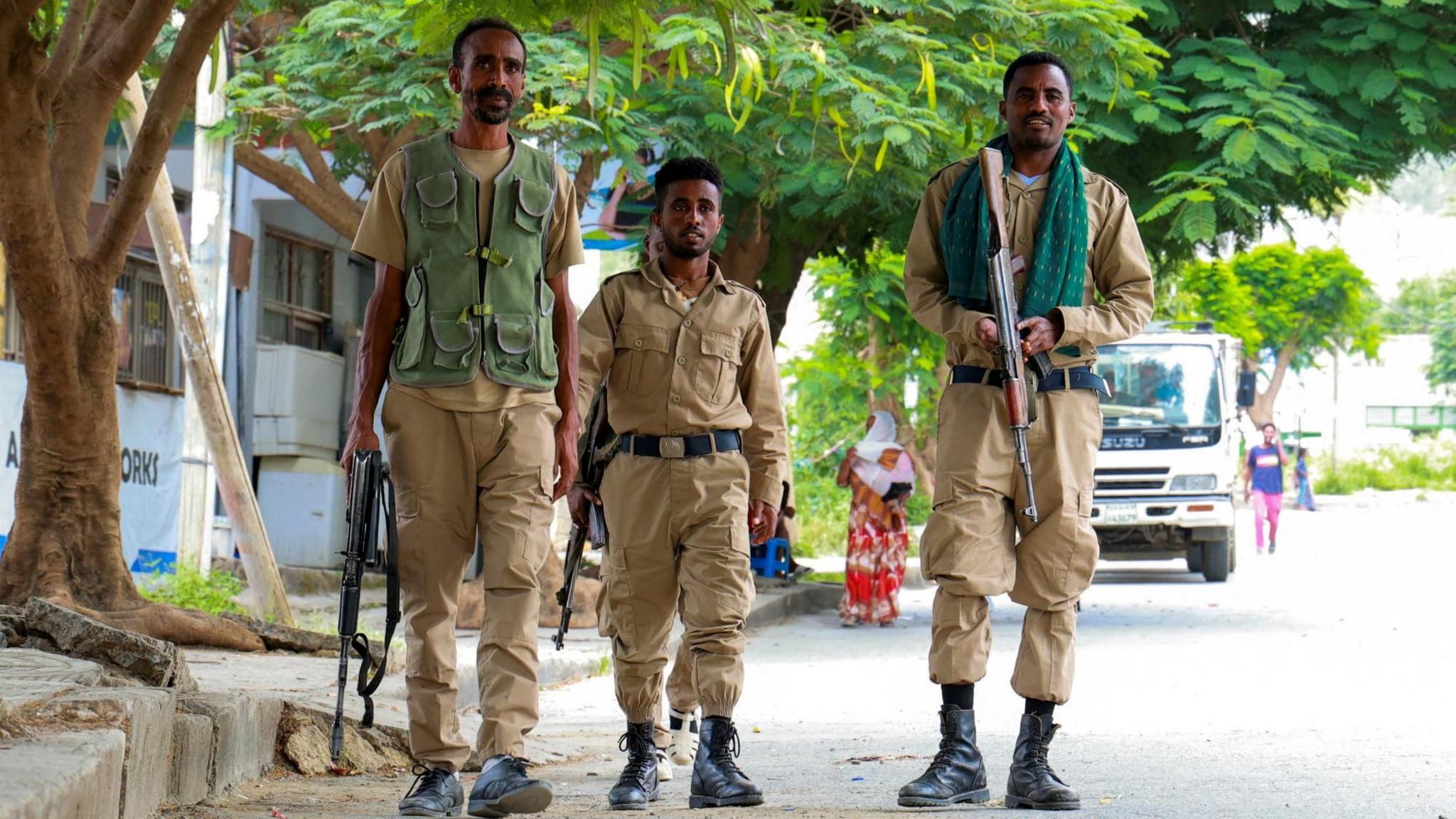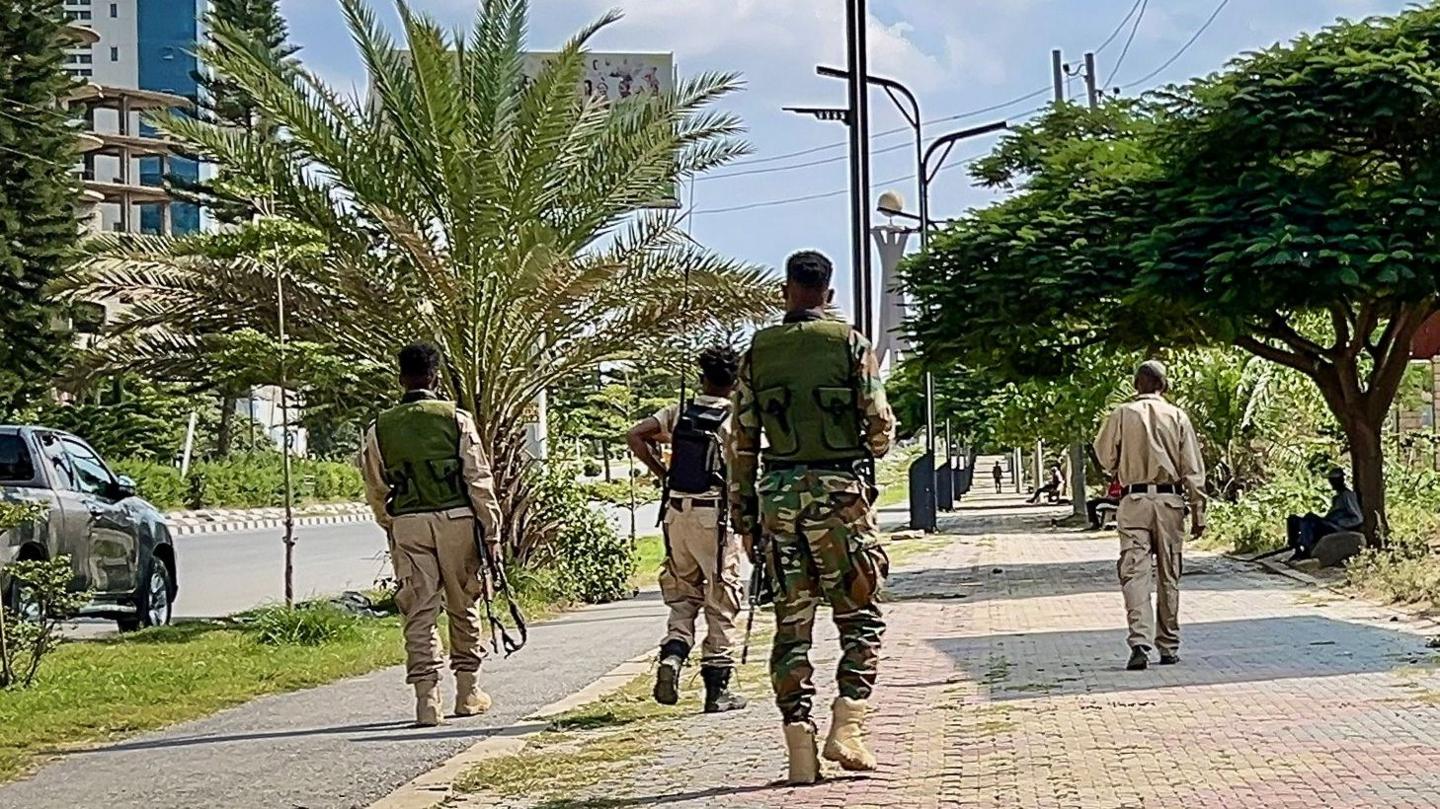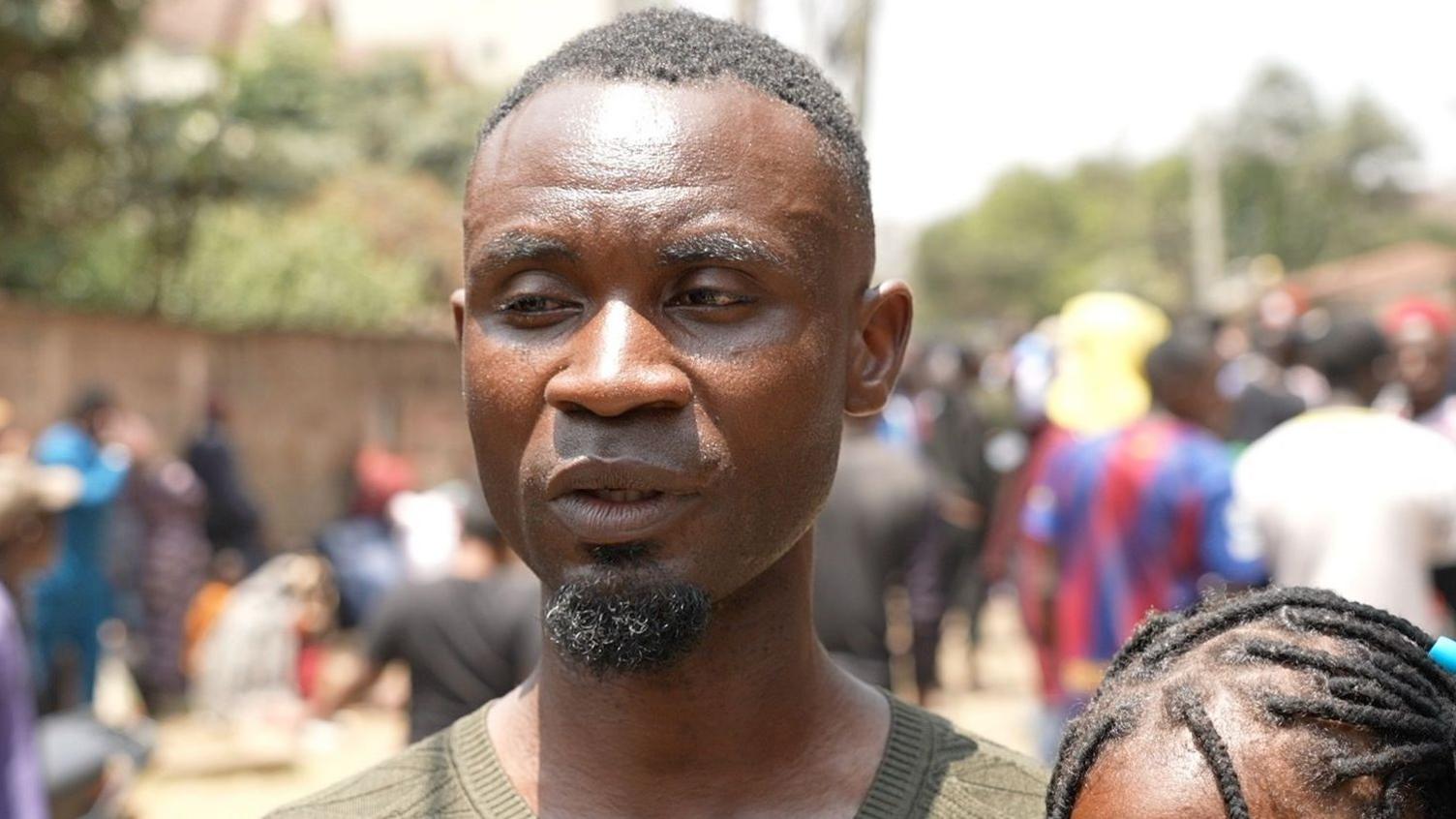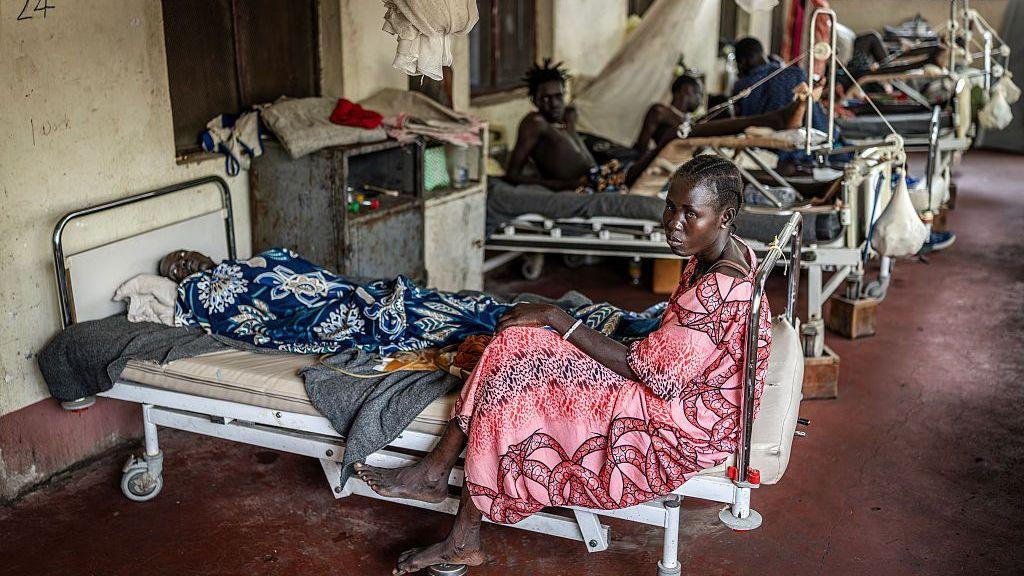
Three days of bloody fighting in the northern Ethiopian province of Tigray’s Alamata town have left at least 52 civilians dead, hospital sources tell the BBC. A Médecins Sans Frontières doctor reported that more than 700 wounded have been admitted to hospitals it supports.
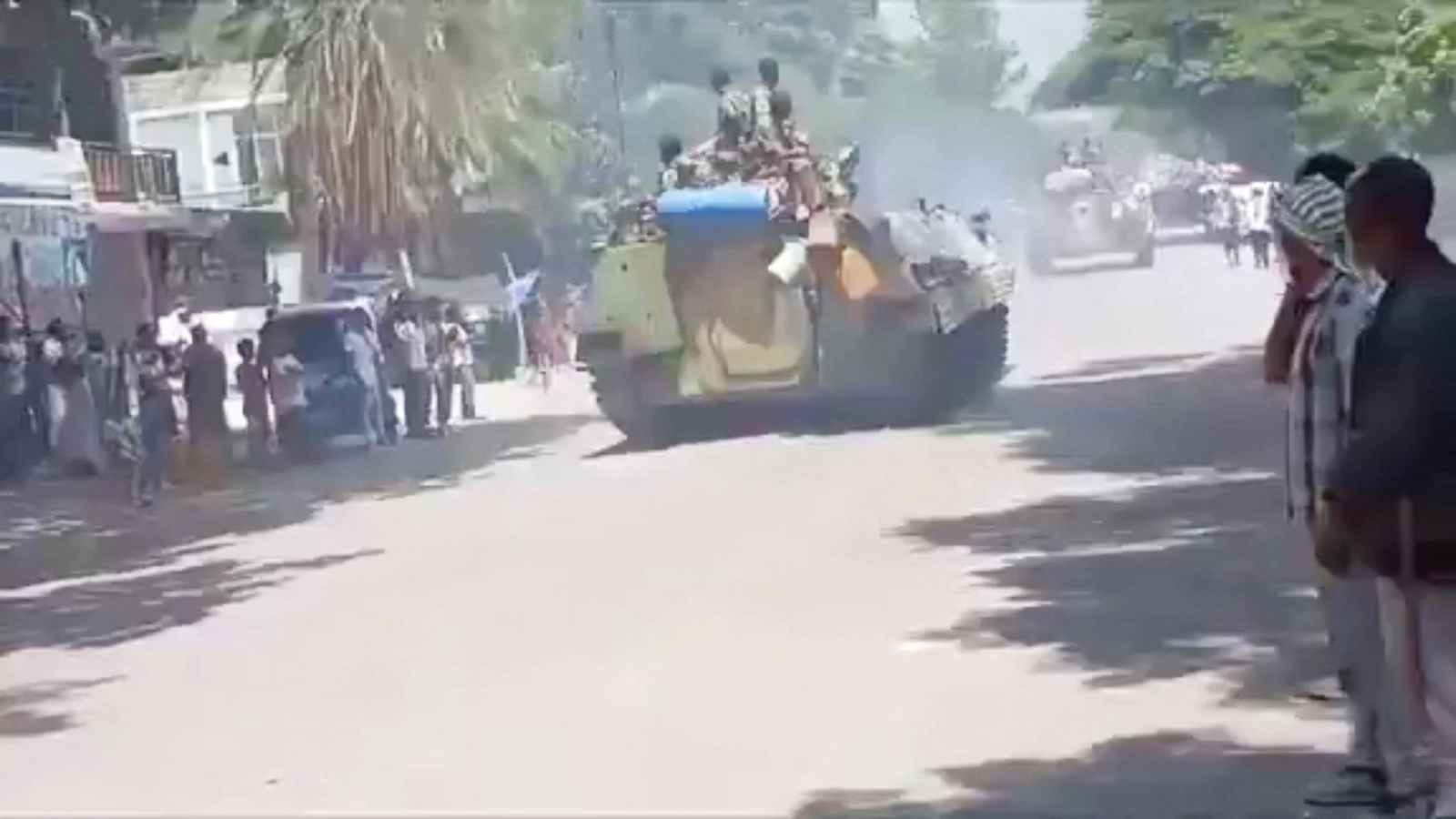
Government troops appear to have taken the town from regional fighters and are intent on moving north toward Mekelle. Tweets and other social‑media clips show army tanks and armoured vehicles rolling through Alamata’s streets.
The fighting erupted after months of tension over a 2022 cease‑fire that ended a two‑year civil war, with each side blaming the other for violations. Tigrayan forces deny the government’s claims that they were the aggressors.
The conflict has spilled over into neighboring Amhara, where 33 tourists are currently trapped in the UNESCO‑listed city of Lalibela. A British traveller, who did not wish to be named, told BBC Newsday that gunfire and artillery had been heard "all day" along the streets.
An Israeli group of 14 tourists was air‑lifted out by the Ethiopian army last Monday after the airport had closed to commercial flights. Other tourists left via an NGO convoy, but the majority are still waiting in a city that has had no commercial flights since Wednesday.
Amhara militia fighting alongside Tigrayan troops has joined a wider "seven‑member" alliance that vows to remove the federal government from Addis Ababa.
The government accuses Eritrea of supporting rebel groups; the opposite side denies any involvement.
Outside of the region, banking services have shut down, mobile transfers to Tigrayan accounts have stopped, and internet access is intermittent. A former Mekelle resident described the level of disruption and how it is affecting ex‑residents in the capital.
In response to the telecoms shutdown, the Tigray Broadcasting Service used its Telegram channel to collect video messages for families, airing them on satellite TV for the first time in months.
Map of the affected areas