In brief
Hundreds of transport workers in the Philippines capital, Manila, have gone on strike in response to soaring fuel costs, which have more than doubled since the onset of the Iran conflict. The strike highlights the urgent financial pressures on workers, with many demanding government intervention to reduce fuel prices and provide direct financial assistance. Amid a declared national energy emergency, the situation continues to evolve as both workers and commuters feel the strain.
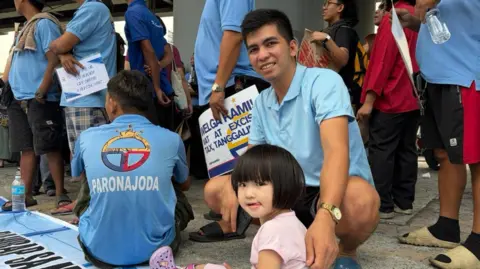
Hundreds of transport workers in the Philippines' capital Manila have gone on strike over rising fuel costs. Diesel and petrol prices have more than doubled since the Iran war broke out on 28 February - with the Philippines now in a state of national energy emergency. One 62-year-old driver in Manila told the BBC the situation was getting increasingly desperate, saying he had no food to support his five children and had not received any cash aid from the government.As the two-day strike started on Thursday, a ship carrying more than 700,000 barrels of Russian crude oil arrived in the country. President Ferdinand Marcos' spokeswoman confirmed that the Sierra Leone-flagged Sara Sky had docked earlier this week. Marcos had promised to seek new oil sources, as the country had relied on supplies passing through the Strait of Hormuz for 98% of its requirements. Transport coalitions leading the strike have made broad demands, including eliminating fuel taxes, rolling back oil prices, and introducing state controls. They also seek fare increases and higher wages. Protesters gathered throughout the capital on Thursday morning, holding signs and demanding government action.Both jeepney and ride-hailing drivers participated in the strike, with reports that some had not received a promised cash aid of 5,000 pesos ($83). One driver, Guillermo Japole, expressed frustration after a long wait for financial support. The devastating effects of the strike have been felt across Manila, as the city is known for its traffic congestion.Commuters, such as Arnold Irinco, who were waiting for government-provided free rides, sympathized with the striking drivers, recognizing that their fight is for essential livelihoods.The transport emergencies have coincided with the national energy emergency declaration, empowering the government to take measures for energy stability. However, labor groups criticized the emergency measures, citing concerns over how they could limit workers' rights to strike. Economic pressures from rising energy costs are becoming increasingly evident as the situation unfolds.