In brief
The ongoing conflict in the Middle East is causing significant disruptions in the supply chain, resulting in rising costs for various consumer goods. Manufacturers are facing increased material and transportation costs due to soaring oil prices, which are expected to trickle down to consumers. From toys to clothing, analysts predict higher prices if the conflict continues, as the ripple effects of the war continue to affect everyday products.
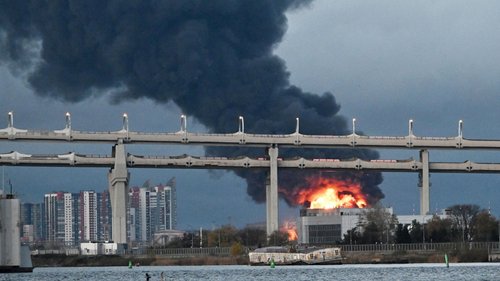
NEW YORK (PulseWire) — The ongoing conflict in the Middle East is affecting even the simplest consumer goods such as stuffed toys, clothing, and toiletries. With oil shipments being constrained, manufacturers are noticing a direct correlation between the war and rising production costs, particularly in materials derived from petroleum.
Aleni Brands, a toy manufacturer based in Fort Lauderdale, Florida, recently reported a 10% to 15% increase in material costs due to supply disruptions from China. CEO Ricardo Venegas remarked on the surprising impact that oil prices have on consumer products, stating, “Who would have thought that the price of a toy would have a direct relationship with oil?”
This situation reflects a broader trend: petrochemicals from oil and natural gas are essential components in over 6,000 consumer products, as highlighted by the U.S. Department of Energy. Items ranging from clothing, footwear, and furniture are all seeing the effects of rising oil prices, particularly driven by the current conflict.
According to Gernot Wagner, a climate economist at Columbia University, while 85% of global oil consumption is used for fuel, the remaining portion is critical for producing a wide range of consumer products. Major petrochemicals like ethylene and propylene serve as vital building blocks for plastics.
Retailers and manufacturers are preparing for price hikes. In the footwear industry, the increase in raw material prices linked to oil spikes could lead to a rise of 1.5% to 3% in shoe prices by late summer. Meanwhile, the price of materials such as polyester staple fiber surged from $0.90 to $1.33 per kilogram since the conflict escalated, affecting garment production costs significantly.
Other sectors are also bracing for cost increases. For instance, Rinseroo, a manufacturer of portable shower attachments, recently increased orders due to anticipated price hikes of 30% in a month. Similarly, Gentell, which produces wound care products, expects to raise its prices by 15% due to rising manufacturing costs driven by petrochemical reliance.
As the war extends and oil prices remain volatile, the ripple effects are likely to reach consumers, reducing affordability for a wide range of everyday products. Experts caution that while delivery and transportation costs may eventually decline post-conflict, prices for raw materials rarely revert to pre-crisis levels, keeping consumers in an enduring state of inflated prices.