Billions Needed for Nepal’s Rebuilding After Flood Tragedy
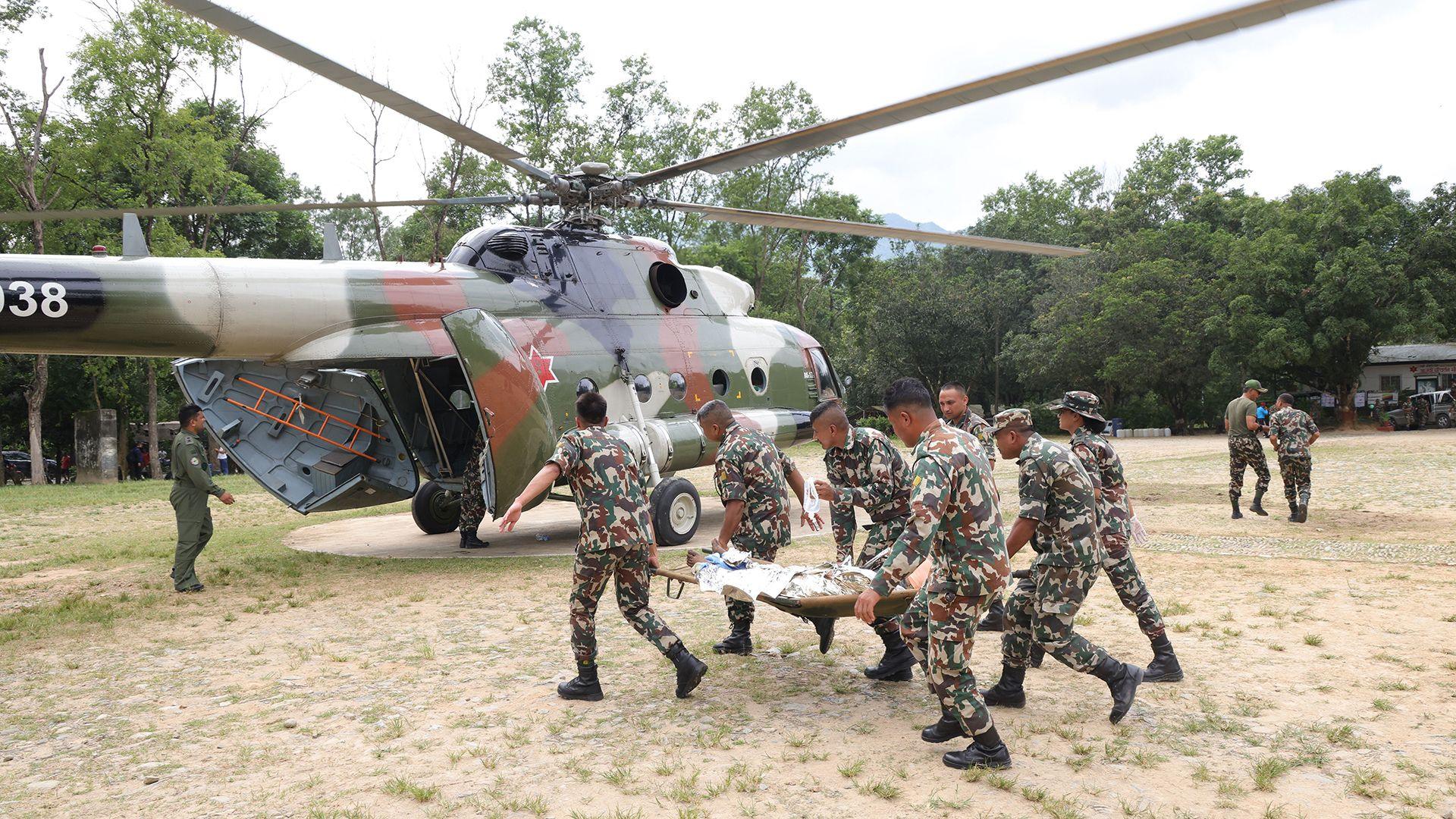
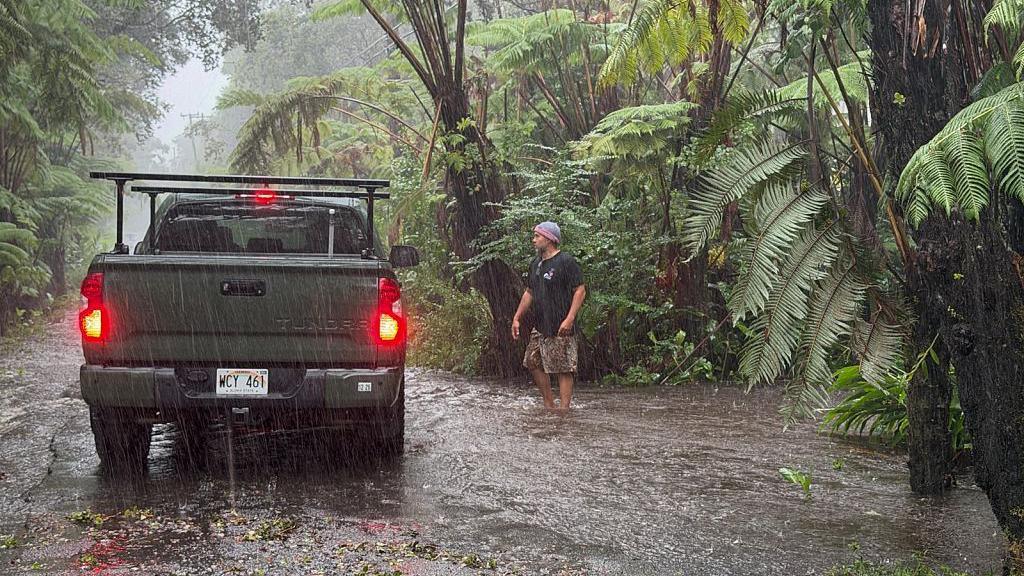
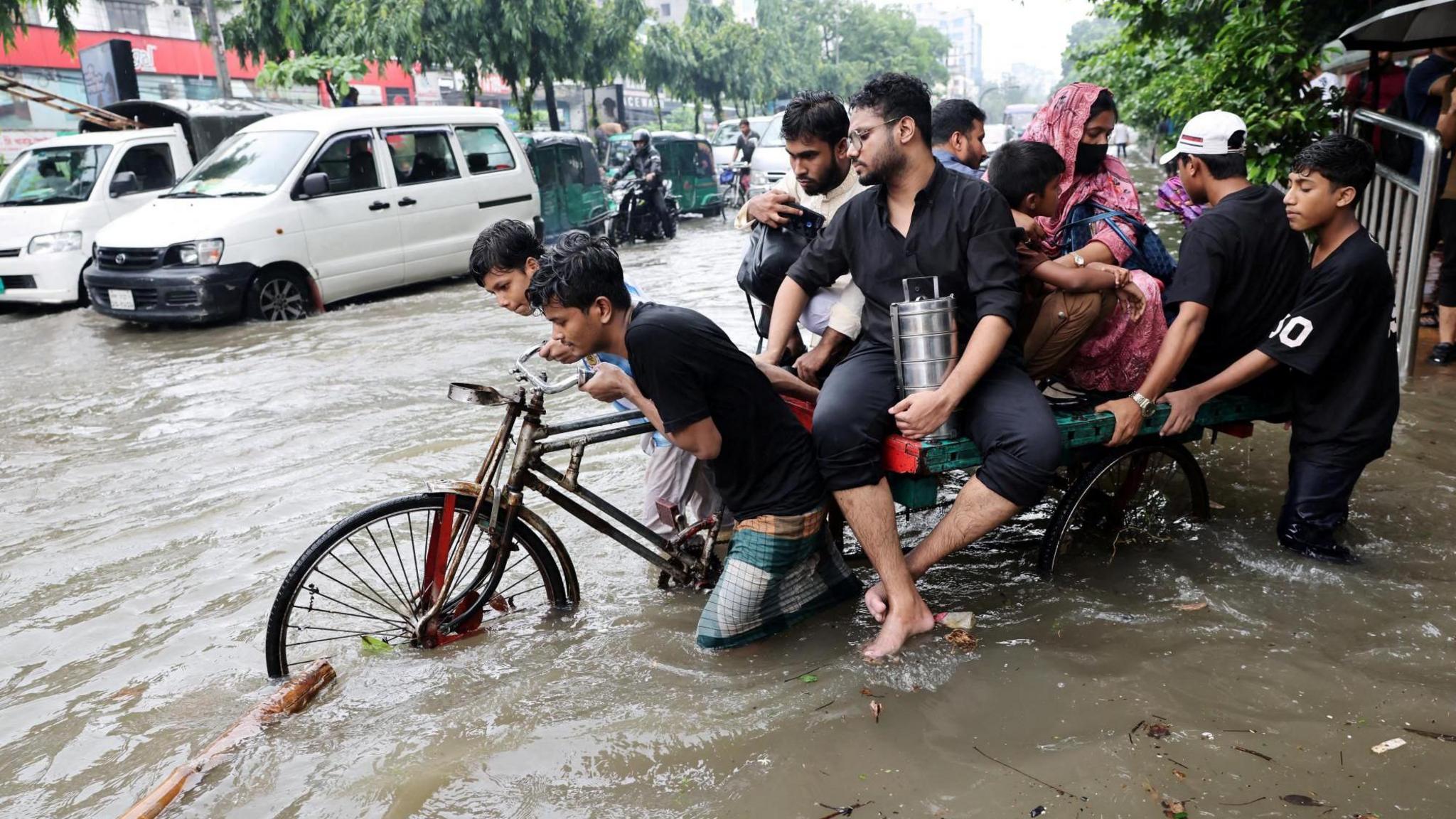
The tremulous weather on Nepal’s eastern front has claimed at least 1,200 lives and left thousands more unaccounted for as a series of flash floods devoured villages, streets and highways.
These ferocious rains, which unexpectedly fell on the high‑altitude plains of the Nepal‑Tibet border, have left an army of trekkers stranded and mooring their hopes for a swift recovery. Scientists continue to piece together meteorological patterns that may explain the sudden devastation.
Prime Minister Shah has openly accepted that a colossal investment will be required to restore shattered infrastructure, restore vital road links in the region and offer new housing to those whose homes were decimated. The figure? According to a government report, it could range into the tens of billions of rupees.
The front‑line responders, headed by the Ministry of Energy and Water, have called on international partners in the United Nations and the World Bank to expedite funding for the repair and re‑construction of projects that will help guard communities against future flooding. In the interim, temporary shelters and emergency supplies have been dispatched to the most affected districts.
Undoubtedly, Nepal’s flood crisis underlines its vulnerability to climate shifts while simultaneously exposing the stark contrast between its low global CO₂ emissions and its exposure to natural disasters. The government’s declaration marks, for the world, an urgent reminder that global climate action must transcend borders and endanger counting in the name of sovereignty alone.