In brief
Subhrasree Chakraborty was en route to Mount Kailash when sudden floods on the Nepal‑Tibet frontier left her and dozens of other Indian pilgrims missing. She sent her last message at 08:03 GMT detailing that they were waiting to cross into China before communications went dark. Authorities now say at least 290 Indians are unaccounted for in the flash‑flood disaster that surged through the border region. Families are looking for confirmation of whether the travellers crossed the border or were trapped in the deluge. The case highlights the perilous nature of pilgrimage routes and the need for rapid, coordinated rescue efforts.
Subhrasree Chakraborty, a 43‑year‑old medical technologist from Kolkata, was about to cross the Nepal‑Tibet border into a pilgrimage that she had dreamed of for years when her last WhatsApp burst vanished. At 07:57 GMT she sent a picture of her passport’s departure stamp from Nepal; six minutes later, at 08:03 GMT, she said they were waiting to enter China. The messages after that stopped, and the phone went silent.
She was part of a roughly thirty‑person group trekking toward the sacred Mount Kailash, a trek that resumed after the pandemic and after geopolitical tensions between India and China had halted earlier attempts. The group had cleared Nepal immigration at 06:28 on the 26th of August and the group was now just across the border, about to reach the Chinese immigration office at Gyirong.
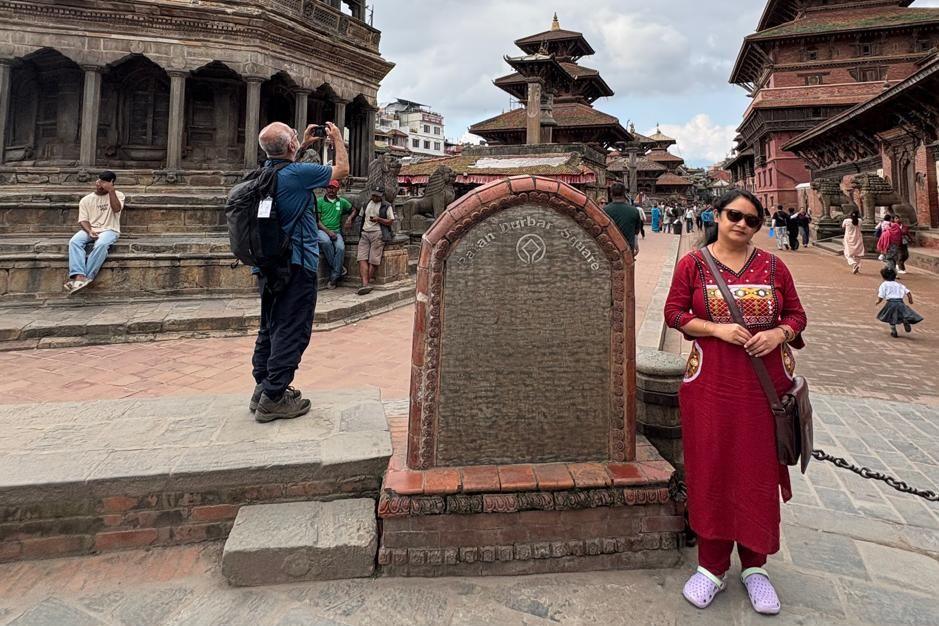
In the days before she vanished, Subhrasree had been living in Kathmandu, photographing temples and historic squares, and she had details of a landslide that had blocked the road for four hours on her way to the border. She maintained that the weather had been clear and rational, speaking of warm days and occasional rain.
After the last message, Sudipto Bhattacharya, her husband, waited for further contact and later discovered reports of a flash flood that struck the border region. He called group members, the tour operator, and managers, but no one answered. The flood left a large number of civilians and pilgrims missing, with the casualty toll rising to 475 in 48 hours.
Subhrasree’s name has now entered the official list of 537 missing people compiled by Nepal’s authorities, but families remain uncertain whether the travellers had crossed into China when the disaster struck. The Kolkata‑based tour operator says it has no clear information on the group’s fate. Rina Banerjee, another pilgrim who travelled alone, remains on the missing list, adding to the families’ anguish.
The story of Subhrasree and Rina underscores the risk that pilgrimages in the Himalayas can carry, especially during sudden weather events that can make the border undrivable. The families wait for official confirmation from Chinese authorities and any possible rescue that could bring answers.