In brief
In a growing wave of student activism, young schoolgirls and boys in India have taken to the streets and social media to demand that their government schools be repaired and re‑equipped. The movement, led by the satirical Cockroach Janta Party, has highlighted harrowing conditions: leaky roofs, unusable toilets, flooded classrooms, and a shortage of teachers. Thousands of students post footage of inadequate facilities, prompting local authorities to act and forcing the national education ministry to respond. Experts say the protests signal a turning point in how India tackles long‑standing inequalities in rural education.
Fix schools, say India’s 'cockroach' protesters. Schoolchildren agree
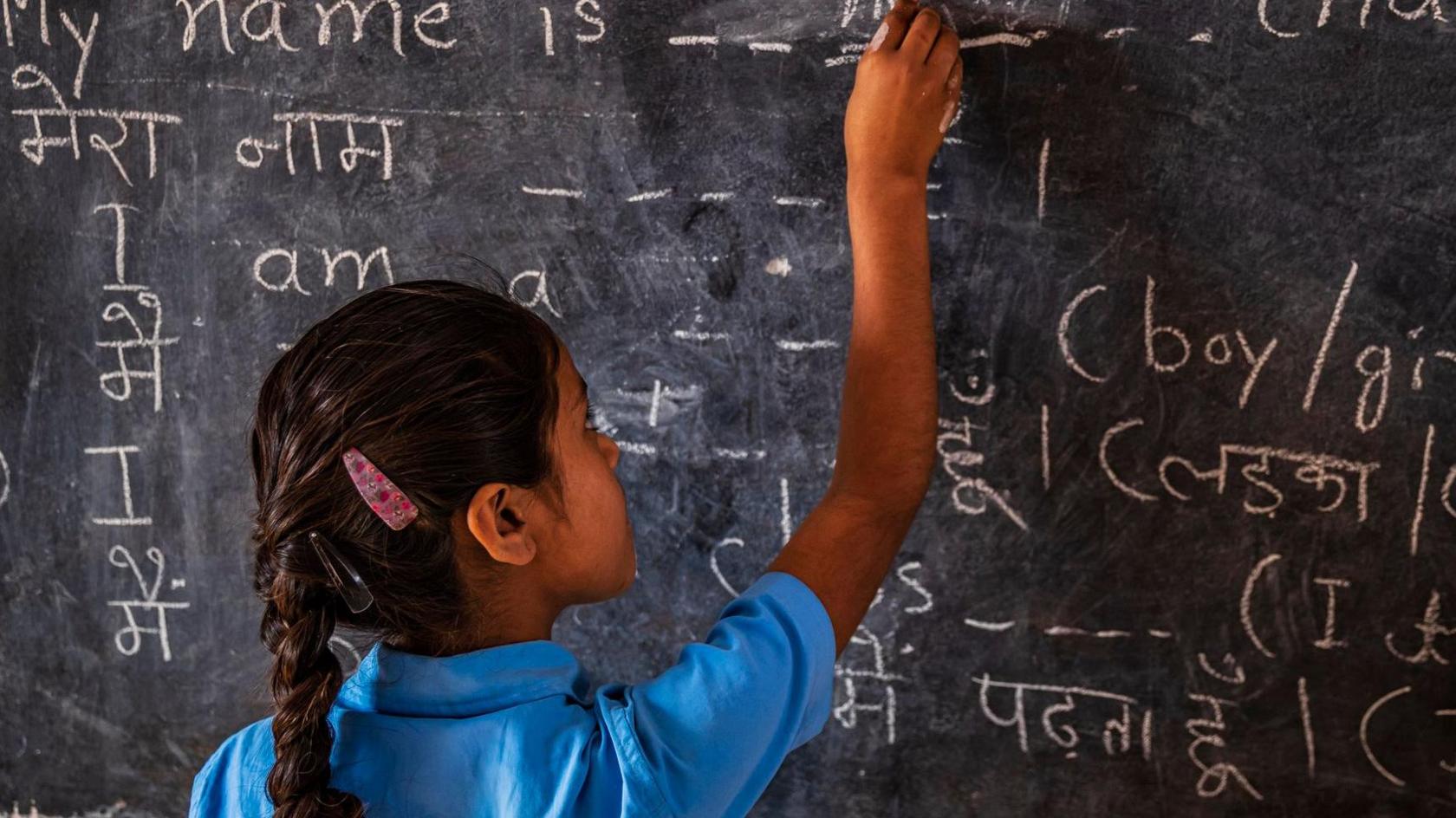
A once‑fresh coat of paint covers a squat primary school for girls in Faridabad, but inside the walls are plaster peeling, toilets in disrepair, and classrooms left empty because of unsafe conditions.
Reporters and students point out the road outside is littered with potholes filled with water, while the government‑run school suffers from a lack of basic facilities: no benches, no clean drinking water, and no functional toilets.
India allocates only 4.1% of its GDP to education, just above UNESCO’s minimum of 4%. Experts and the National Education Policy (NEP) 2020 recommend raising that to 6%, yet the country has recorded the closure of 94,000 schools from 2014–15 to 2024‑25 as private schooling rises.
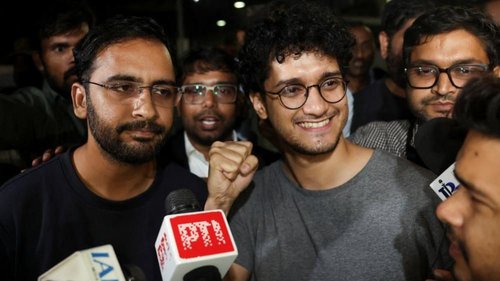
The revolting #FixTheSchool campaign, born from protests that saw Education Minister Dharmendra Pradhan resign, now targets infrastructure failures nationwide. CJP founder Abhijeet Dipke says “children in villages are left with substandard schools, forcing them into labour or lower‑tier work” and “we’re making schools better so all children can compete.”
Videos shared on Instagram and TikTok show abandoned classrooms, leaking roofs, and students sitting on the floor amidst broken benches. The footage sparked quick local responses: a repaired road in Raigad, a petition to Rajeev Jim's office in Uttar Pradesh, and more schoolboy demands for proper facilities.
At one rural primary school examined by the BBC, only six out of 40 teachers were available because 30 were deployed to voter list revision, and four were sick. Teacher shortages are compounded by the fact that elected officials' children are sent to private schools, leaving government schools underfunded.
Former community workers like Satpal Narwat, who retired two years ago, recount how their families moved to private schools because state facilities were unsafe or soggy, underscoring the long‑standing gap between urban and rural education.
The campaign lends hope to observers who feel the movement will force the government to act, following a decade of protests where students demanded better accountability and infrastructure across the nation.