In brief
Survivors of California's 2025 Eaton Fire have chosen to accept settlements from the utility responsible for the disaster but could face hefty taxes on this compensation unless Congress acts to extend tax relief. Homeowners fear that tax implications might cut into essential funds needed for rebuilding and may affect their eligibility for other government assistance. A bipartisan bill is currently in progress to offer tax relief, yet its fate remains uncertain, leaving many families facing financial uncertainty and additional burdens as they strive to recover from the devastating fire.
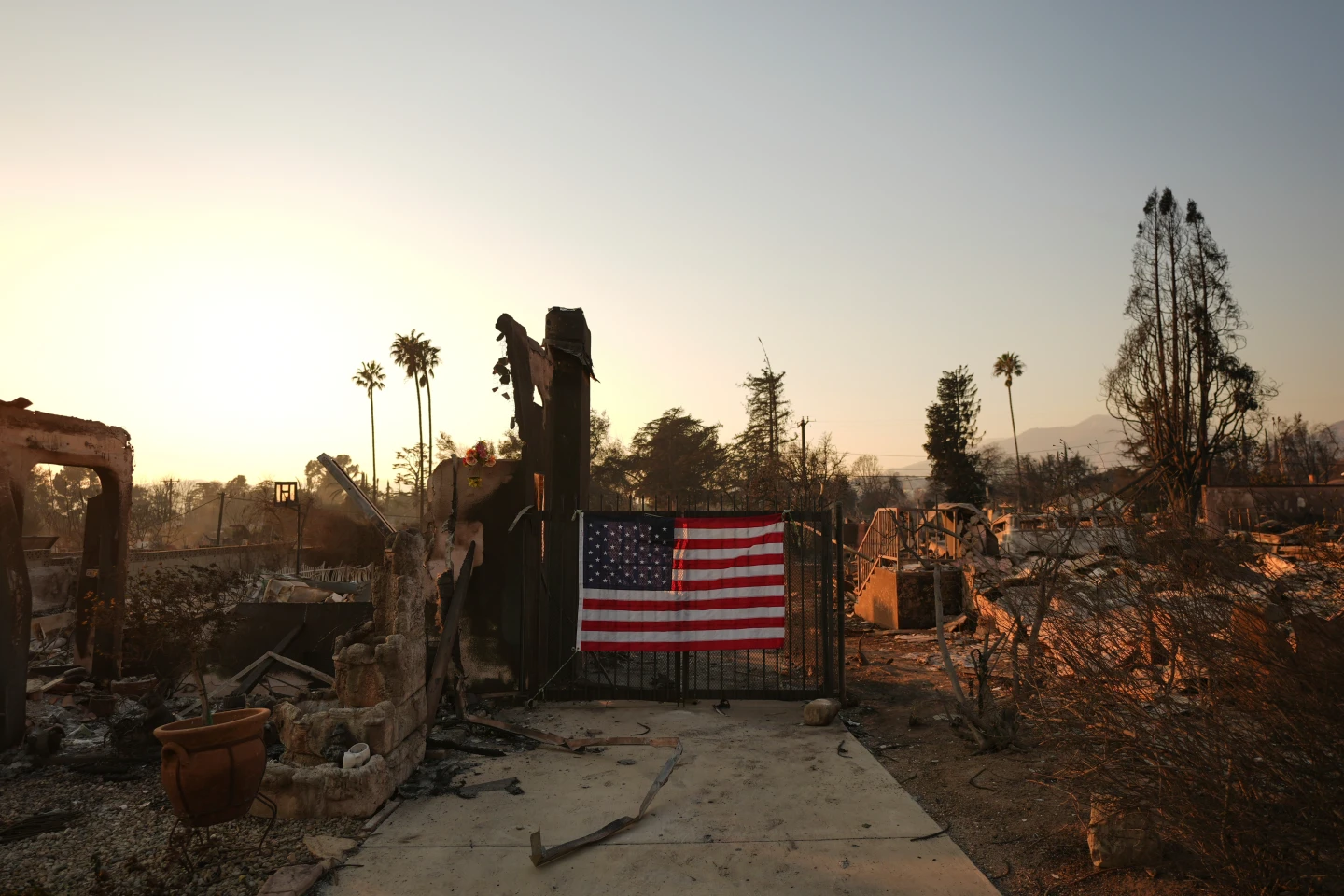
Thousands of survivors of the 2025 Eaton Fire in Altadena, California, have elected to accept an upfront settlement from the utility accused of causing it, forgoing future litigation for a faster payment that could help them rebuild or relocate.
However, unless a bill moving through Congress becomes law, this money could be taxed as income, significantly reducing their payments and possibly disqualifying them from other government benefits.
“There was this terrifying disbelief,” said Bree Jensen, communications director for the Eaton Fire Long-Term Recovery Group, recalling the reactions of residents regarding the potential tax implications.
Thousands more who are suing the utility face the same prospect, as do fire survivors in states like Colorado, Hawaii, and Oregon after a tax exemption on wildfire-related compensation expired at the end of 2025.
Historically, Congress has provided some tax relief on wildfire settlements, but the legislative process has faced difficulties. A bipartisan House bill that passed out of committee last month aims to extend tax relief, though the timeline for a Senate vote remains uncertain, trapping survivors in financial limbo.
Many survivors, like one homeowner in Altadena who wished to remain anonymous, express concern about the potential tax implications impacting their plans to rebuild. She expects her expected settlement could face a 37% tax hit, which would force her to reconsider her rebuilding options.
As the legislative battle continues, survivors are left juggling their immediate needs and long-term recovery. “We’re making decisions, choosing cheaper materials, forgoing the solar,” she noted, stressing the need for urgent action from lawmakers.
Legislation Hangs in the Balance
Households in need of compensation can't afford to have part of their settlement taken by taxes. Legislative efforts aim to prevent this outcome, with a proposed bill stating that payments related to federally declared wildfire disasters from 2015 through 2026 would not count as taxable income.
This potential legislation, introduced by a bipartisan coalition, reflects an understanding of the urgent needs of communities affected by disasters. But given legislative blockages in the past, the outcome remains dubious.
The stakes are high—not just for Altadena survivors but for those impacted by fires across the country. As compensation becomes critical to rebuilding, stakeholders, including advocacy groups and lawmakers, are pushing for swift action to secure tax relief.