In brief
In the early afternoon of August 26, a massive glacial collapse triggered a debris flow that raged down the Trishuli River. The disaster killed at least 270 locals, buried villages and left more than 800 people missing, many of them foreign tourists. USGS confirmed the event was a glacial collapse, not an earthquake, while Nepal and China coordinate rescue operations. Prime Ministers from Nepal, China, India, the UK and the US have pledged aid and early‑warning systems to prevent a secondary flood. The flood threatens to dam the Trishuli River, raising the danger of another catastrophic release.
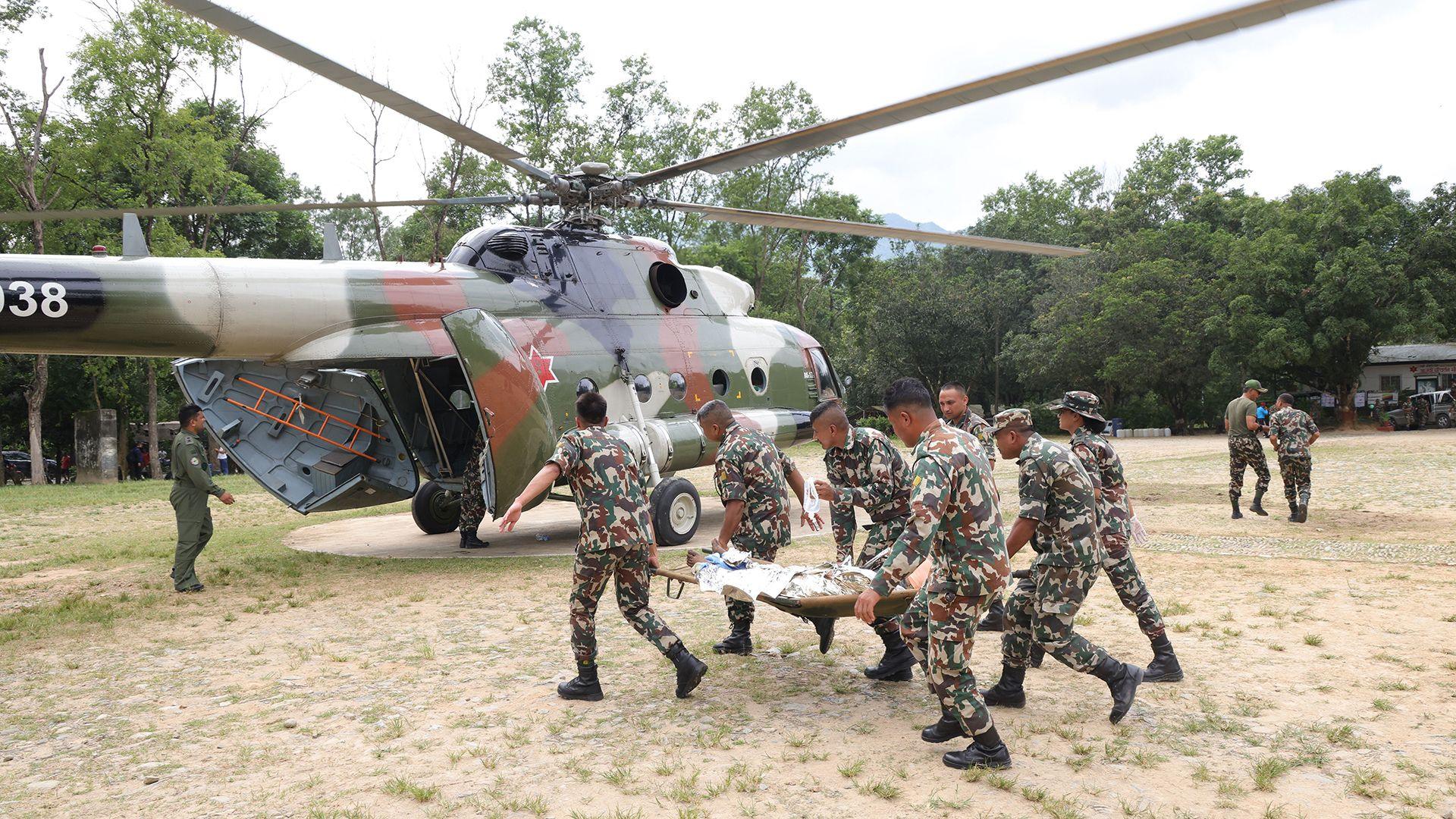
Massive landslides and flash floods on the Nepal‑Tibet border left hundreds dead or missing. Search teams are now combing villages and the border area for survivors.
Initial reports from Nepali officials mentioned a 4.4‑magnitude earthquake, but the U.S. Geological Survey quickly clarified that the event was a glacial collapse and debris flow. The ice and rock surge created a wall of mud that swept away roads, multi‑storey buildings and dozens of vehicles.
The Trishuli River was particularly hard hit; the surge dammed the river in narrow sections, raising fears of a secondary flood that could threaten Kathmandu.
China’s state media reported hundreds of casualties, while Nepal confirmed 270 deaths and 826 missing at the latest updates. Many of the missing are foreign nationals. Immigration officials have listed 291 foreigners, with the biggest groups coming from India (178), Ukraine (53), Malaysia (51), UK (33), Canada (24), USA (65) and Australia (34). Smaller groups from South Korea, South Africa, Portugal, the Netherlands and New Zealand were also mentioned.
The International Centre for Integrated Mountain Development warned of a secondary wave of flooding. They are studying satellite images to locate any newly formed earthslide dams that could release water unexpectedly.
Governments have come forward to coordinate relief. Nepal’s Prime Minister called the situation "shocked and deeply distressed" and pledged collaboration with China. President Xi Jinping has ordered an "all‑out" search, and announced stronger monitoring and early‑warning systems.
Indian Prime Minister Narendra Modi offered humanitarian assistance; UK Prime Minister and U.S. government announced emergency funds and logistics for shelters, water and sanitation.
Rescue teams are now focused on finding survivors among the 650+ missing per the Nepal Tourism Board, while the USG has committed $500,000 for emergency relief.
Key Developments:
- 270 confirmed deaths; 826 still missing, including 260 foreigners.
- Glacial collapse, not earthquake, per USGS.
- Potential secondary flood from a dammed Trishuli River.
- International aid: US $500,000, UK support, Indian assistance.
- Government coordination between Nepal and China on rescue and early-warning systems.
The flood has far‑reaching implications, threatening to strike tourism hotspots, pilgrim sites and international trade routes. Monitoring continues as expert teams assemble more data to prevent further catastrophe and expedite relief to the survivors.