Thumbnail:
Defiance at a Sacred Site
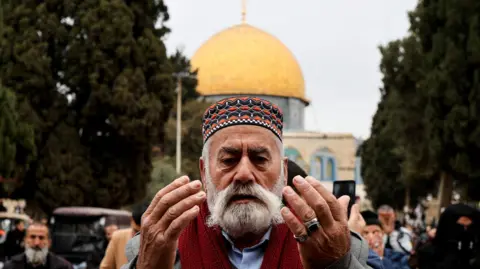
At the heart of Jerusalem’s Old City, Moshe Feiglin, a prominent right‑wing nationalist, was seen praying and singing inside the al‑Aqsa compound on a weekday afternoon. His actions — accompanied by a small group of fellow supporters— were a clear breach of the Status Quo that preserves the site as a Muslim place of worship.
What the Status Quo Protects
The Status Quo, first codified after the 1967 war and later reinforced by Jordanian administration of the Islamic Waqf, guarantees that only Muslims may pray on the al‑Aqsa grounds while non‑Muslims, including Jewish worshippers, may visit but not pray. The Waqf also restricts any alterations at the compound, and Jewish religious authorities forbid Jewish prayer on the site as a matter of halachic law.
Political Backlash and International Warning
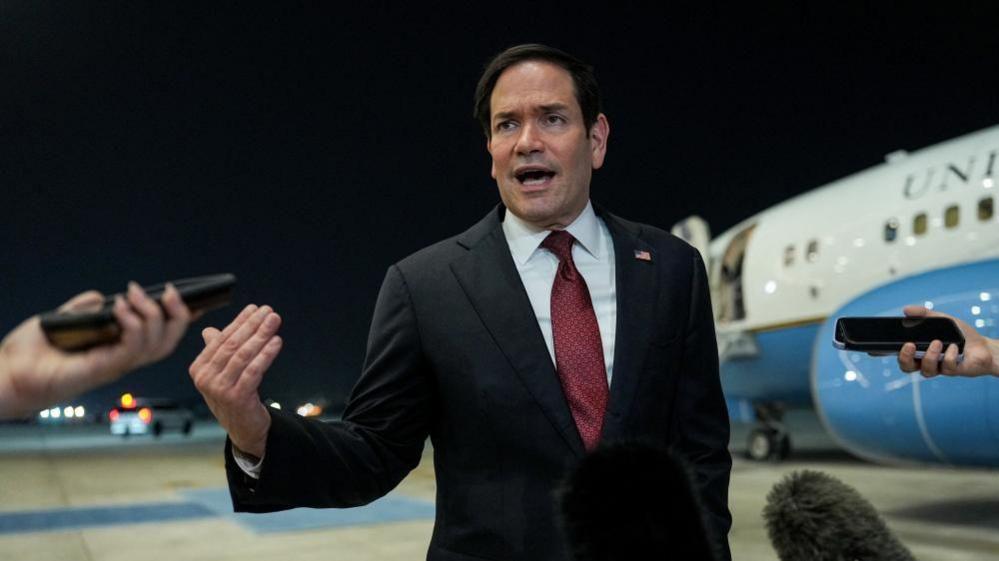
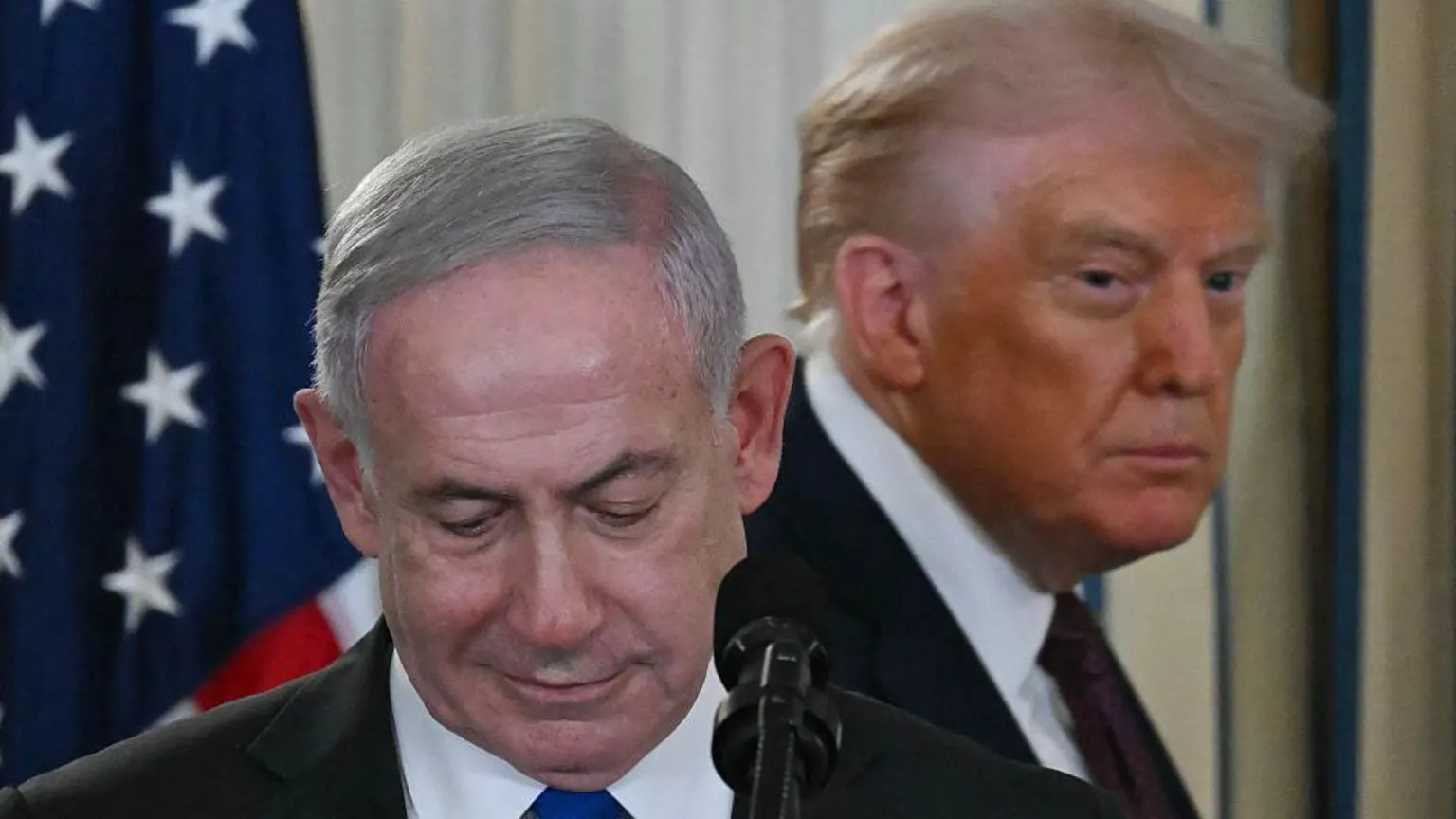
In recent weeks, reports surfaced that Israeli and U.S. officials were preparing to remove the Status Quo, potentially designating the compound as a "multi‑faith centre". U.S. Secretary of State Marco Rubio declined to confirm the claims, while the Israeli government reiterated that there have been no changes.
Jordan, Egypt and Gulf monarchies have condemned any shift in authority as a threat to regional stability. Britain has echoed the sentiment that the historic perimeters of Jerusalem’s holy sites must be respected. “Opening a Pandora’s box,” warned Dr. Mustafa Abu Sway, deputy head of the Waqf Council, citing the historic risks of renewed violence.
Historical Precedent of Provocation
Further back, in 2000, Ariel Sharon’s presence on the al‑Aqsa compound with armed police ignited the second Intifada, leading to thousands of casualties in the last decade. The site’s sensitivity means any perceived erosion of the Status Quo could trigger a dramatic flare‑up.
Current Nationalist Momentum
In a widely circulated footage, National Security Minister Itamar Ben‑Gvir led a march of Israeli nationalists through the Old City to the al‑Aqsa compound, singing patriotic songs and hoisting the Israeli flag. Such displays underscore the growing push among far‑right politicians to cement Jewish and Israeli control of the sacred precinct.
While the Israeli Prime Minister’s office maintains that the Status Quo remains intact, the combined actions of politicians, public displays and unverified reports of policy shifts keep the risk of a new crisis alive.