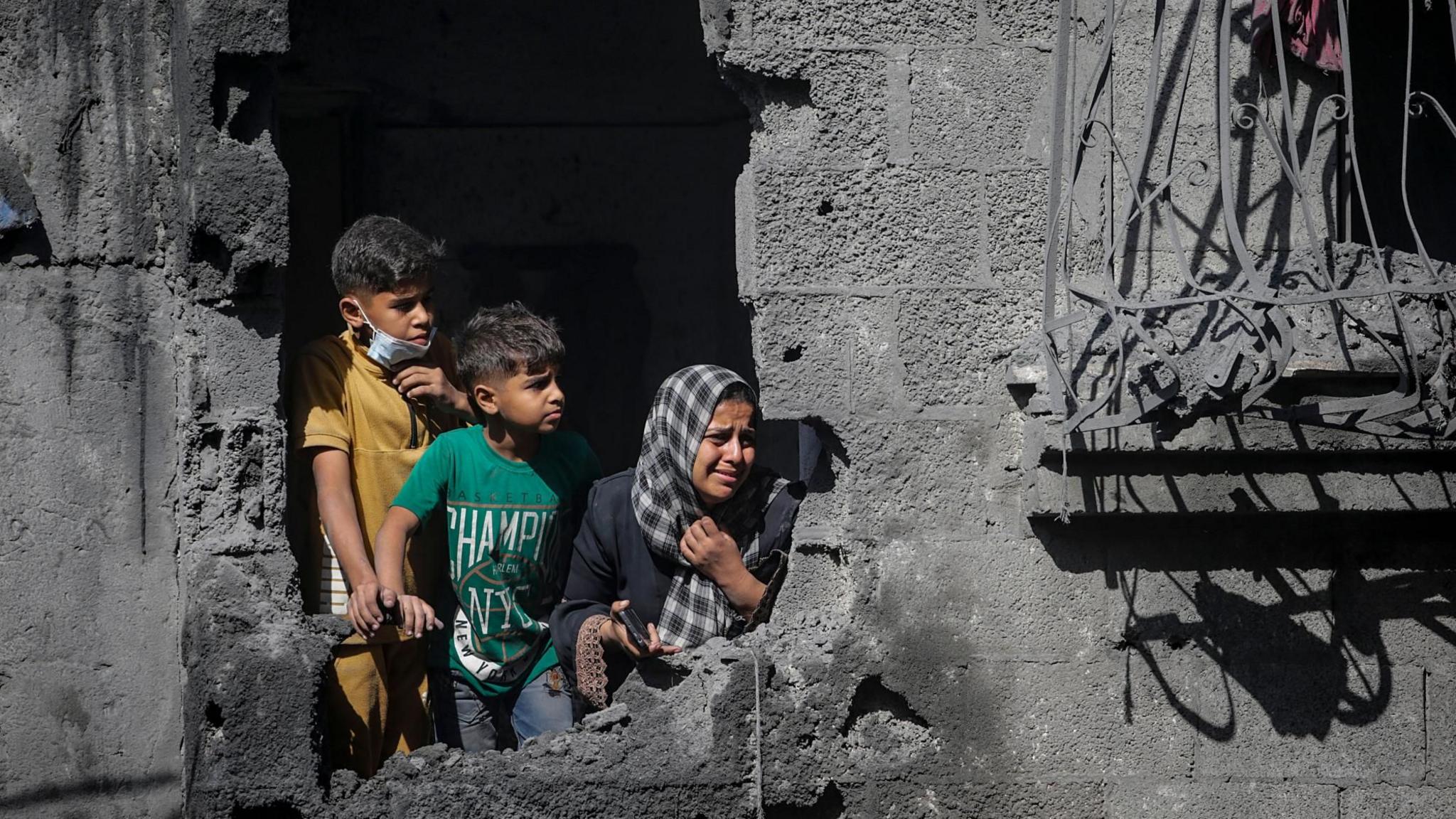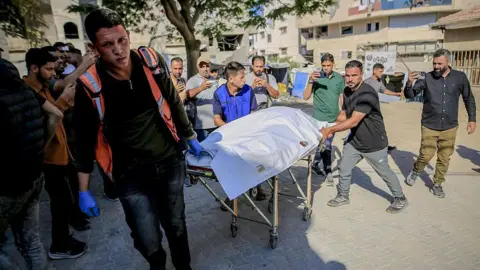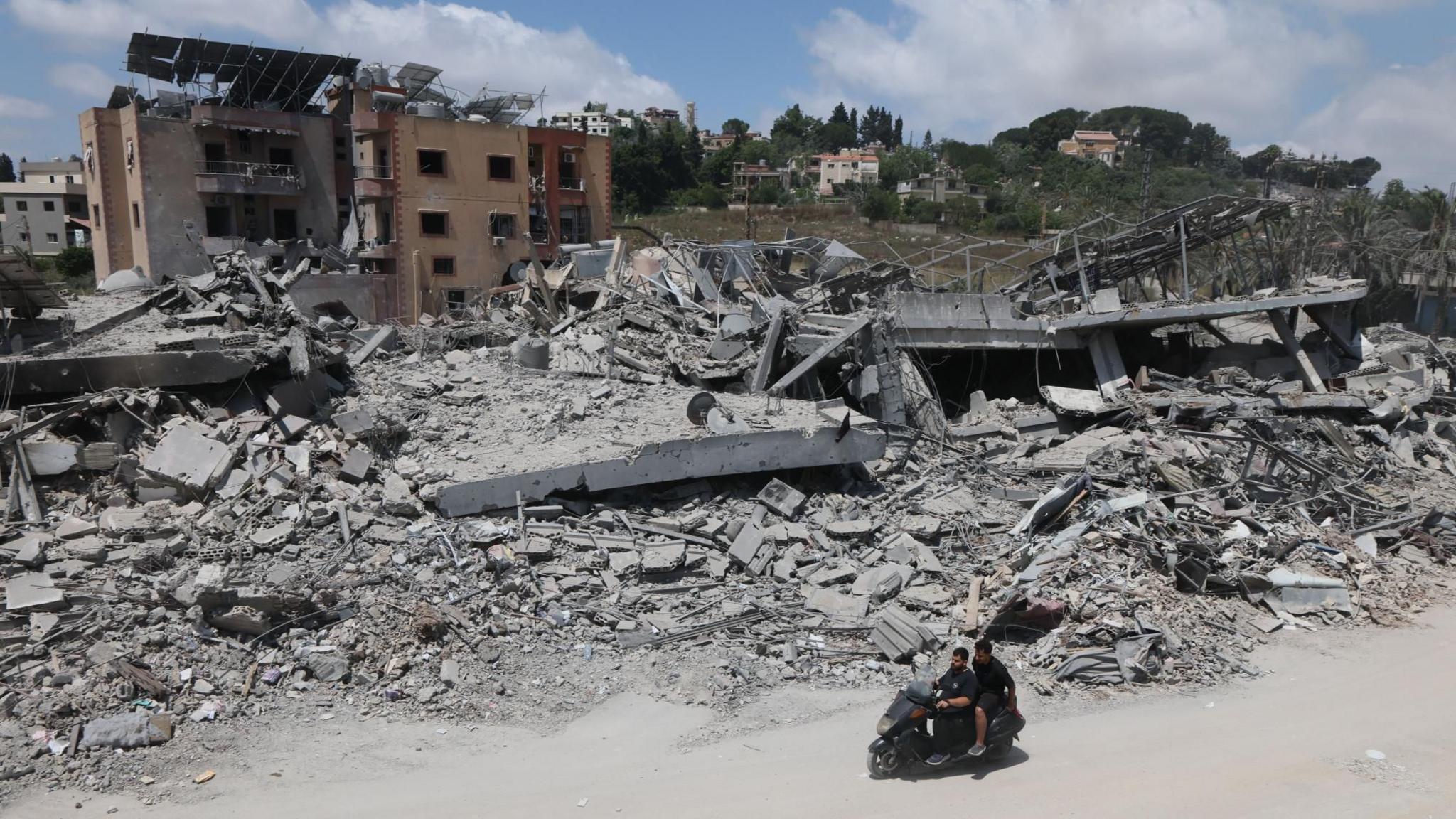
The first deaths reported since a ceasefire between Israel and Hezbollah were two Lebanese civilians killed by Israeli soldiers near Nabatieh al‑Fawqa. The Lebanese state–run news agency said the victims, Mohammed Amhaz and Sajed al‑Hajj Ali, were standing next to a bulldozer clearing rubble when Israeli troops opened fire. The bulldozer was part of an emergency medical unit linked to Hezbollah, which also carried the two men on a team from the Islamic Health Association.
Israel’s army claimed the soldiers fired at four people it identified as Hezbollah attackers who were riding a bulldozer and a motorcycle, and warned they had crossed into an Israeli‑declared “security zone.” The military also reported shooting at a separate group of militants north of the zone, showing a photo of a man holding a rifle.
Haunted by weeks of fighting, the ceasefire has not yet settled, and the United Nations and U.S. officials are debating a longer‑term peace plan while Lebanese and Israeli officials meet in Washington to discuss further arrangements. Hezbollah has denounced the shooting as a blatant ceasefire violation, while Israel said it had “full freedom of action” against any threat.
The Iranian ambassador to the U.N. flagged the violence as dangerous for broader diplomatic talks that linked Lebanon to a recent U.S.–Iran agreement. He warned that any violation of the ceasefire could derail worldwide efforts to stabilize the region.
Historically, Hezbollah launched rockets into Israel in protest of a strike that killed Iran’s supreme leader, prompting Israeli air campaigns and a partial invasion of southern Lebanon. The health ministry reports at least 4,192 people have died as a result of Israeli actions, and more than a million residents have been displaced since the conflict began.