In brief
Iran’s Revolutionary Guard Corps announced the closure of the Strait of Hormuz, citing Israel’s continued strikes on Lebanese territory as a breach of a US‑Iran agreement aimed at ending hostilities. The move follows a new ceasefire between Israel and Hezbollah, yet Israeli air power remains active. With the strait handling about 20% of global oil traffic, the closure could trigger turbulence in energy markets. The US, meanwhile, maintains that safe passage remains intact, while leaders plan talks in Switzerland to address the escalating tensions.
The Iranian military’s Revolutionary Guard Corps NATO-level navy issued a warning: "Do not approach the Strait of Hormuz; otherwise, your security will be jeopardized." The order was prompted by Israel’s continued air strikes on southern Lebanon, which Iran considers a violation of a recently signed US‑Iran deal aimed at ending the war across the region.
The 14‑point memorandum of understanding mandates an immediate and permanent termination of all military activity on all fronts, including Lebanon. Iran now points to Israel’s operations as a breach that justifies re‑closing the critical shipping channel that handles an estimated 20% of the world’s oil and liquefied natural gas flows.
Impact on Energy Markets
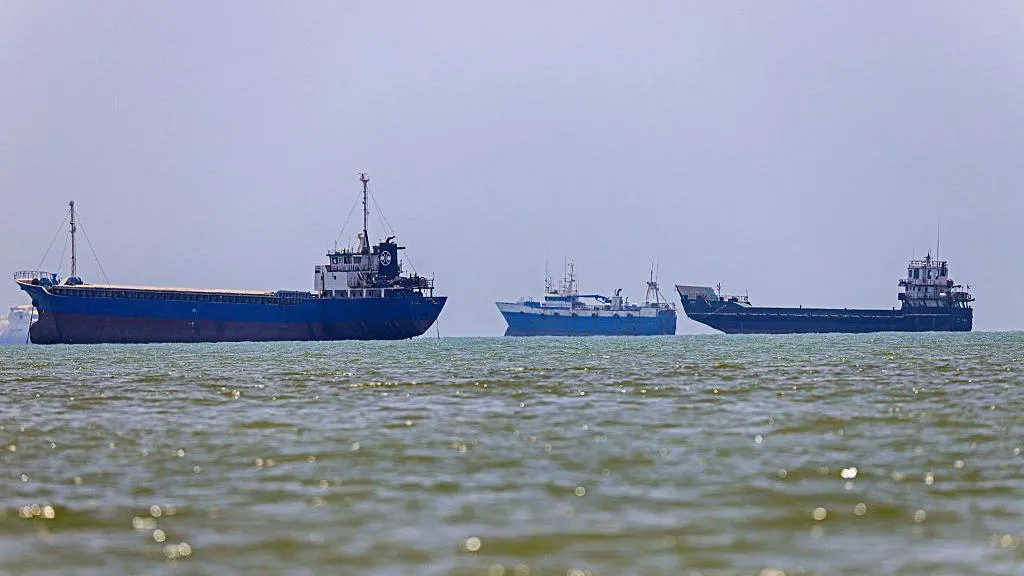
With roughly 20 million barrels of oil passing through each day, the closure threatens potential shortages and price spikes. Even with 55 merchant vessels transiting on Saturday, shipping companies question whether the blockade is temporary or a signal of deeper conflict.
The United States has stated safe passage remains intact, while the meeting in Switzerland between US and Iranian leaders will address the obligations violated by continued attacks.
Meanwhile, Israel’s military insists it will not withdraw forces from Lebanon and sees the conflict with Hezbollah as separate from the broader war with Iran. Israeli aviation has struck dozens of Hezbollah targets following the group’s 50+ projectiles fired at Israeli positions.
United Nations and stakeholder involvement in the situation remains staggered, with Washington warning that rising tensions could derail the ceasefire agreement and undermine global oil supply stability.
The closure marks a dramatic return to the strategic significance of the Strait, shoring up Iran’s leverage over global energy flows and sending shockwaves through world markets.