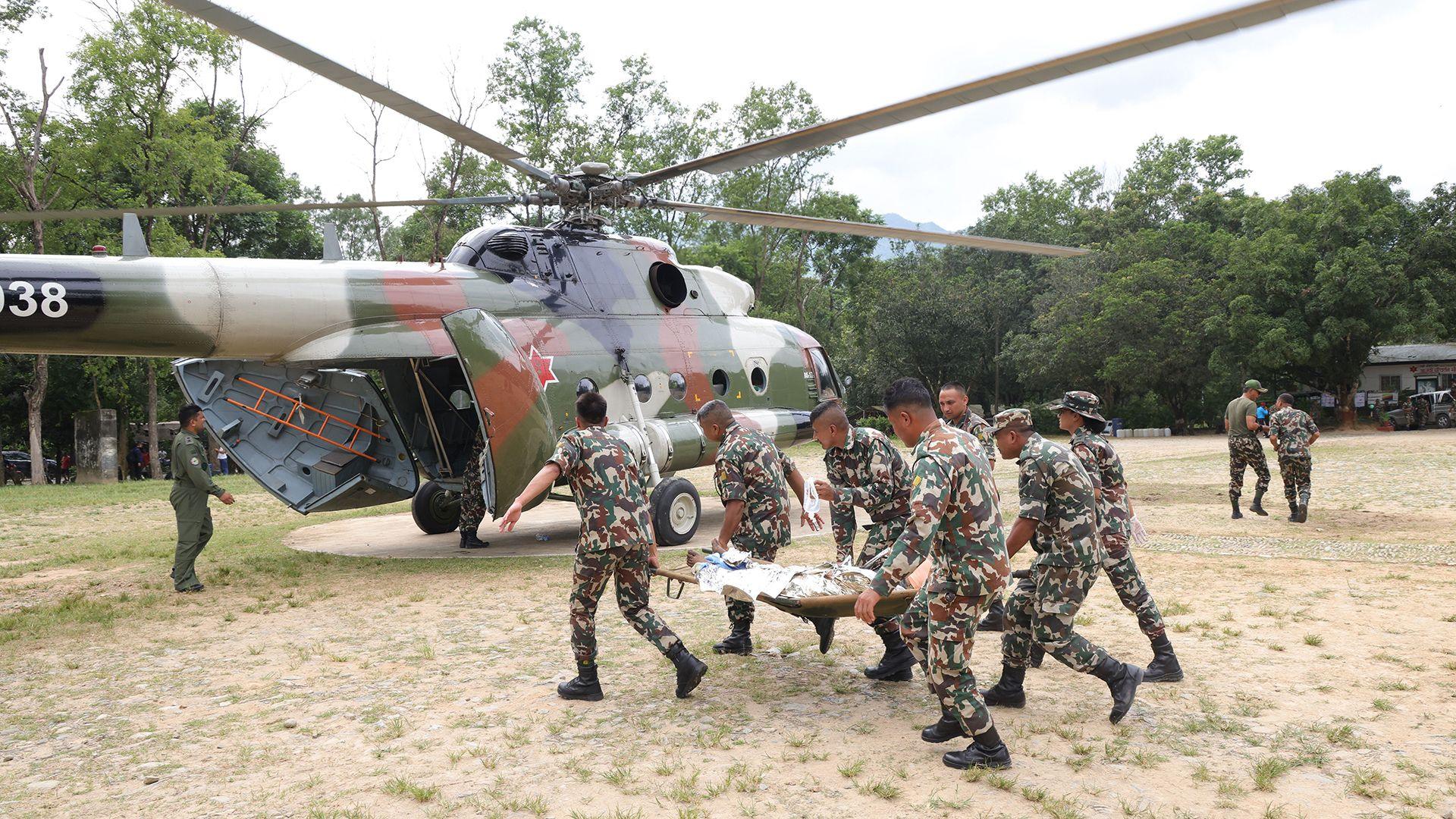
Train of Emergency Flight: As fresh rain pours across the Himalayas, mountain guides and government crews scramble to air‑lift hundreds of trekkers stranded on the Annapurna Circuit after landslides destroyed roads and bridges.
Since the catastrophic August floods that left 1,400 dead and thousands missing, Nepal has endured a second, deadly wave of weather‑driven devastation. The national disaster management authority reports that more than 1,900 families have been affected and 240 homes damaged, with entire villages swept away by mud.
The trek‑heavy section of the circuit, winding through the remote districts of Manang and Mustang, has become a maze of collapsed paths and swollen rivers, forcing hikers to abandon the once‑popular, three‑week journey. In Manang, a 21‑year‑old English‑speaking trekker, Jake Stacy, described how he and his guide cut an improvised route through the steepened slopes, hailing evacuation helicopters as their only exit.
‘We made our own paths on mountain slopes,’ said Stacy. ‘It was very muddy and very wet, the river below was rushing.’
Local officials confirm that while the trekking region has yet to record a death, four bodies were recovered near the Himlung Peak base and 12 people remain missing after a recent avalanche.
From the Front Lines: Australian tourist Andrew Graham and his guide, Prem KC, recount crossing more than fifteen landslides as they left Manang village and slept in a dense jungle after a sudden evacuation order. A massive landslide has blocked a river in Chame, forming a temporary lake that threatens nearby houses.
‘The remaining risk has grown even bigger,’ said Graham. ‘We had to stay overnight in the jungle with very limited supplies.’
Tse Ring Doma, a local trekking guide, warns that even the sound of thunder can trigger panic, illustrating the lingering fear after last month’s flood. Her Norwegian client Ellen Wahlström lamented that “we’ve had to leave some gear behind, but locals are losing houses and land.”
The Annapurna Conservation Area Project reports that roughly 700 trekkers are awaiting clearance to start the circuit, while authorities hold off on opening the route, citing the ongoing risk of landslides and collapsed infrastructure.
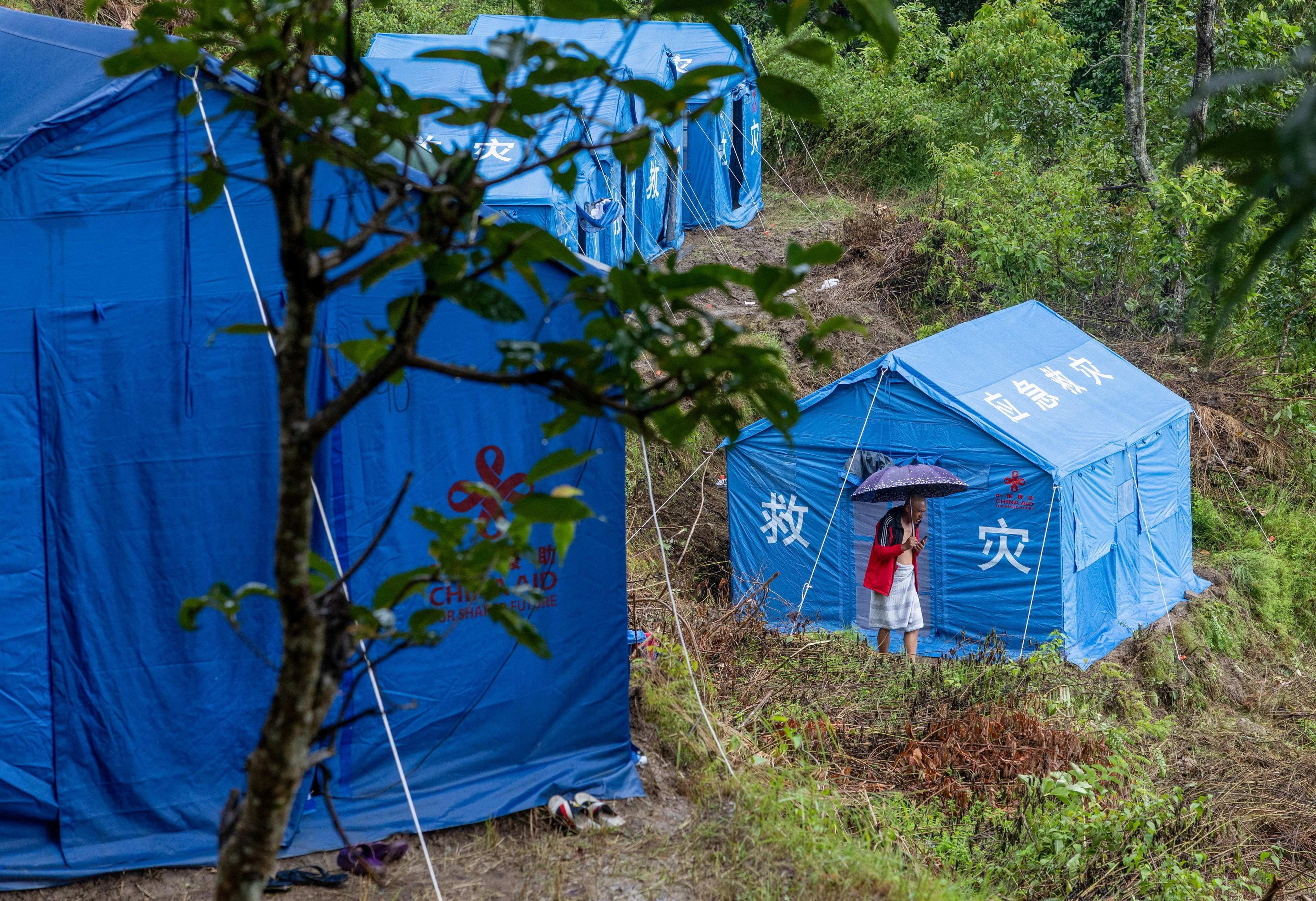
Between the wrecked bridges and the closed roads, chaos has spread beyond the trekking trail: communications are down in parts of Manang, and the evacuation of Indian pilgrims from Jomson to Pokhara is now required to skirt a cut road. While rescue teams work to drain the lake that swells near Chame and restore critical links, evacuees remain in temporary shelters, many of them the blue disaster‑relief tents shown below.

If you’re planning to trek through the Annapurna Circuit, check the latest updates from the Annapurna Conservation Area Project and the local district offices. Keep this map handy— a digital overlay marks the safest routes, the most dangerous zones, and the locations of evacuation helipads.
The situation remains fluid. Follow PulseWire on twitter @PulseWireNews for real‑time updates, Live‑map feeds, and first‑hand reports from those on the ground.