In brief
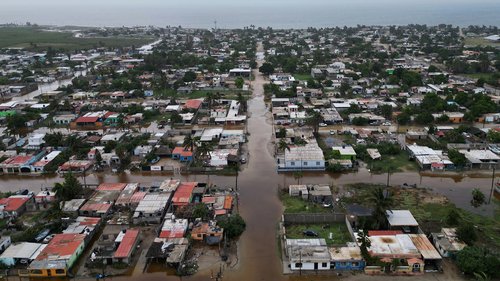
In the mountainous regions of Nepal, sustained heavy rainfall has swollen rivers and eroded roadways, turning ordinary streets into mud drifts. Relief vehicles intended to bring aid to flood‑swept villages have become immobile as the roads collapse beneath them. Workers are improvising with barge and helicopter support while volunteers attempt to clear debris. The National Emergency Response Team stresses the urgent need for infrastructure reinforcement and additional logistics resources. As the weather pattern worsens, international aid agencies are monitoring the situation for potential escalations.
In the LaPahalam mountain range, relentless downpours have risen river levels to dangerous heights, leaving major arteries of the Kathmandu region clogged with mud and silt. As a result, emergency response units—motorcycles, emergency vehicles and stretchers—created for flood‑swept communities are now stranded behind unpassable roads.
The floods are caused by the monsoon storms that have reached their peak this week. The sudden influx of rain has turned once‑stable roads into muddy, almost marsh like surfaces that refuse traction. Local relief workers are now using boats, barge, and even helicopters to bypass the scattered collapsed road segments. However, the continued rainfall is threatening further erosion.
Spokespeople from the National Emergency Response Team have reported that at least five relief vehicles remain stuck in the waters of the Trisuli River. Rescue crews are pounding out alternative routes, but the lack of proper road maintenance has been a major obstacle. The challenges are compounded by remote hillside settlements whose roads are carved into sharply carved rock faces prone to landslides.
The government has requested additional relief supplies in the form of portable bridges and powered pumps to help clear the debris and reduce the time required for vehicles to cross a thousand‑meter stretch of flooded highway. Moreover, international aid agencies are reviewing how best to lend support to the national response team so that basic medical aid, food and shelter can reach the afflicted residents.
News updates on the situation will continue to be published on this page as new information arrives from field reports. If you are an eyewitness or have personal footage, please submit your videos or photos for fact‑checking and live commentary.
For more details, visit: BBC News – Nepal Floods