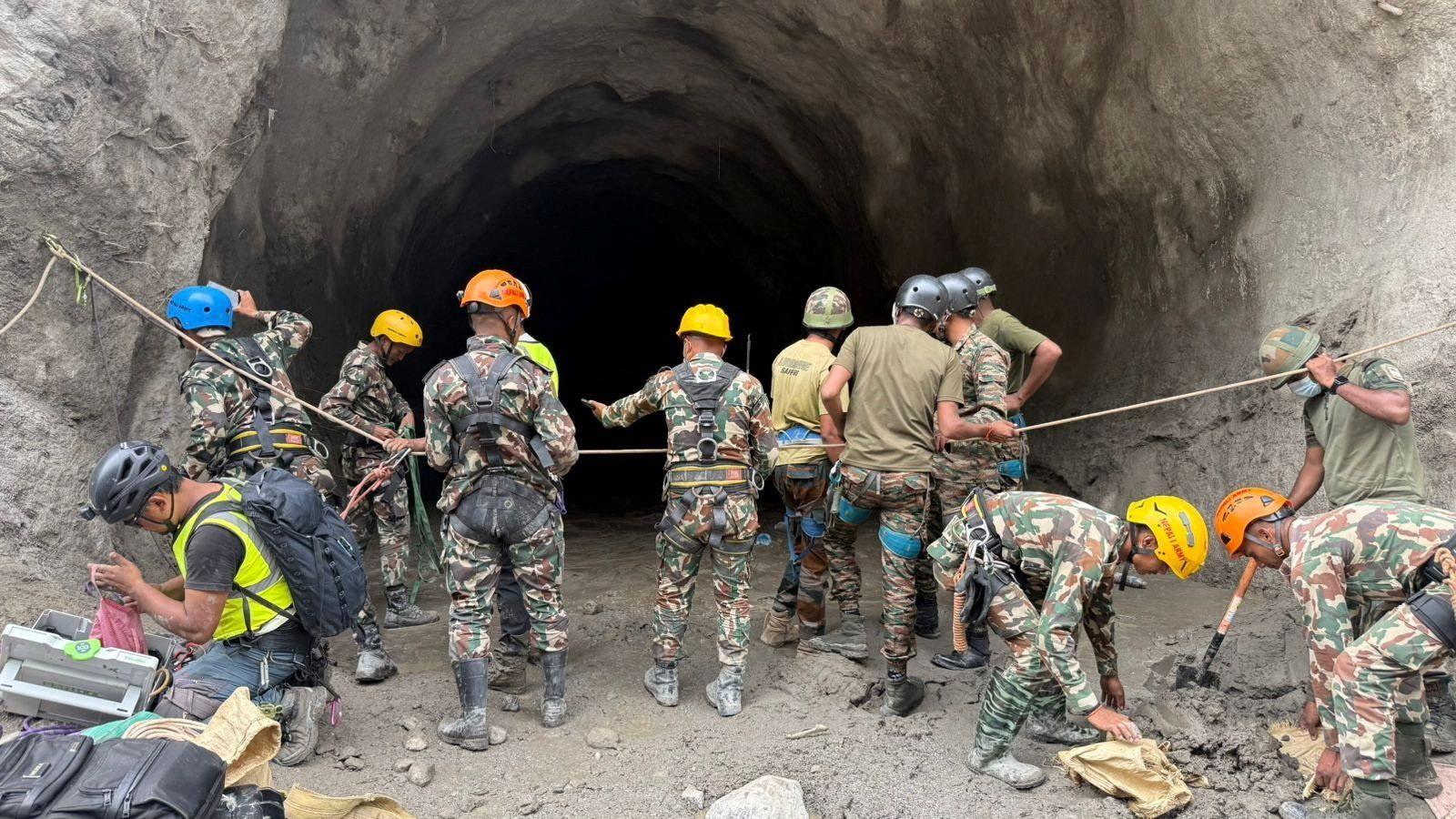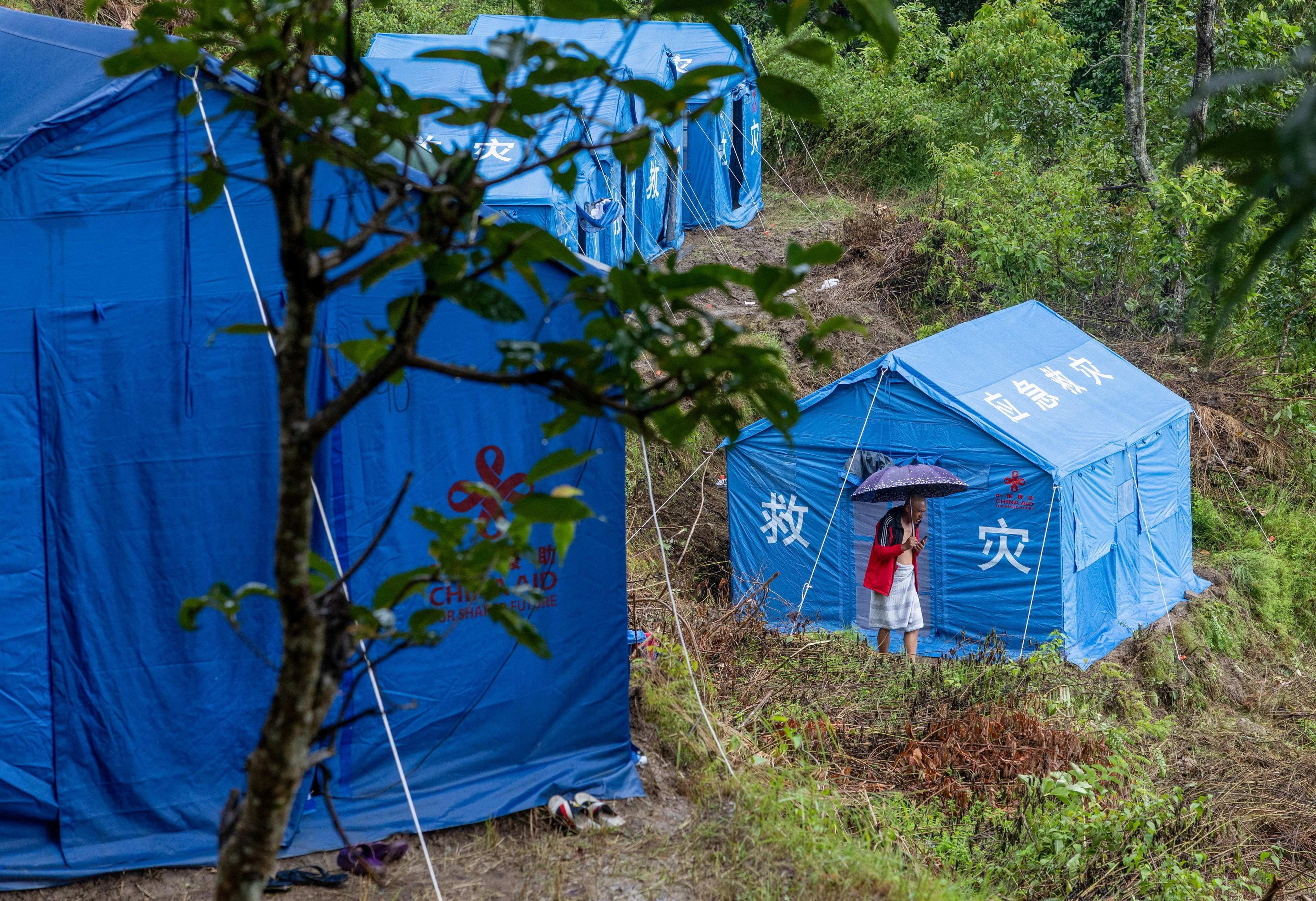
Himalayan clouds have returned to Nepal as a new wave of heavy rain triggers deadly landslides across the mountains. The latest surge has taken the lives of around thirty people and rattled the livelihoods of thousands who depend on trekking tourism.
The national disaster management authority reports that more than 1,900 families have suffered damage, with 240 homes wrecked and vital roads, bridges and buildings swept away. The redistribution of infrastructure has left the Annapurna Circuit, a key pull of tourism revenue, largely impassable.
Collective effort has seen hundreds of trekkers in the Manang and Mustang districts airlifted by helicopter after their planned route became treacherous. The circuit usually takes three weeks, but the current chaos forces many to cut their journey short and grapple with muddy trails, collapsed bridges and blocked passes.
Eyewitness accounts describe a daunting descent of up to four days, with trekkers forced to create new paths over ruined infrastructure. Guide Tse Ring Doma said the mental strain surpassed the physical challenge, noting that thunder still sends fear back into the wilderness.
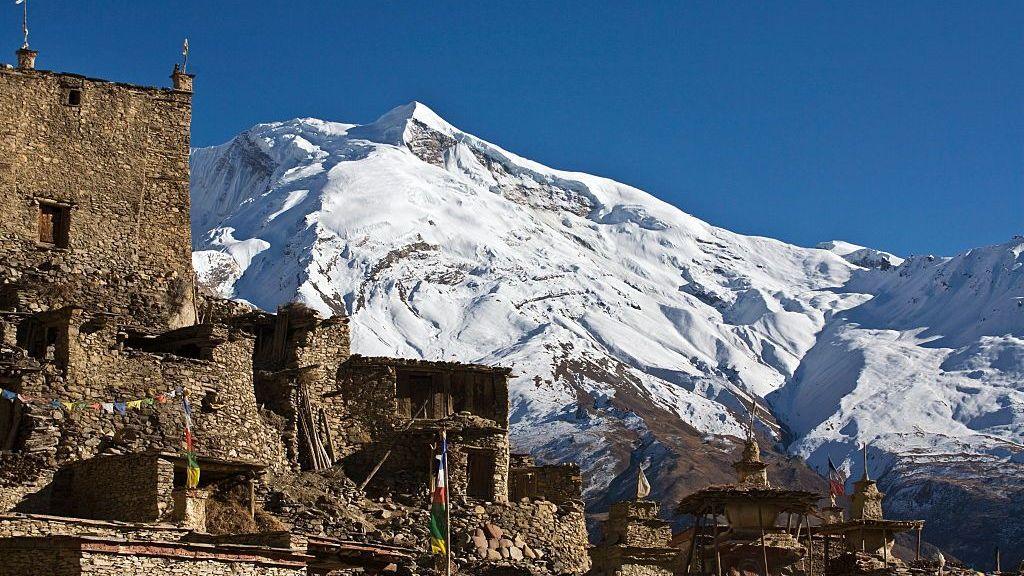
In Manang, a chief district officer highlighted that no fatalities have been reported in the trekking region itself, yet four bodies were recovered in an avalanche near Himlung Peak. The area also faces the threat of more landslides as emergency crews struggle to manage a temporary lake created by a blocked river.
The recovery effort is strained by communication losses and damaged bridges, but some local groups are moving quickly to clear the most severe slides, a process that has kept pace with the rising urgency of the situation.
While hundreds still await permits to start the circuit from Pokhara, authorities have halted passage to protect trekkers from the ongoing risk. Indian pilgrims seeking the Muktinath temple have been redirected to fly from Jomson to Pokhara, bypassing the cut‑off roads they normally drive on.
This disaster underscores the vulnerability of Nepal’s fragile high‑altitude communities and the crucial need for resilient infrastructure in the face of increasingly severe weather.