In brief
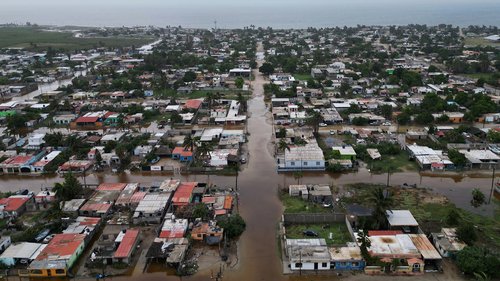
On the morning of August 26, a torrent of water, mud, and heavy rocks surged through Gyirong, Nepal’s critical trade point with China. Thousands of travelers – mainly Indians, but also Chinese pilgrims and international tourists – were caught in the swift flood as they waited at border crossings and local settlements. While official numbers report 275 missing Indians, eyewitness accounts suggest the toll could reach thousands, though the exact figure remains unclear. Rescue efforts began only hours after the flood, revealing little remains of the destroyed infrastructure. The disaster underscores the region’s vulnerability to glacial melt‑induced floods and the urgent need for alternative trade routes and infrastructure resilience.
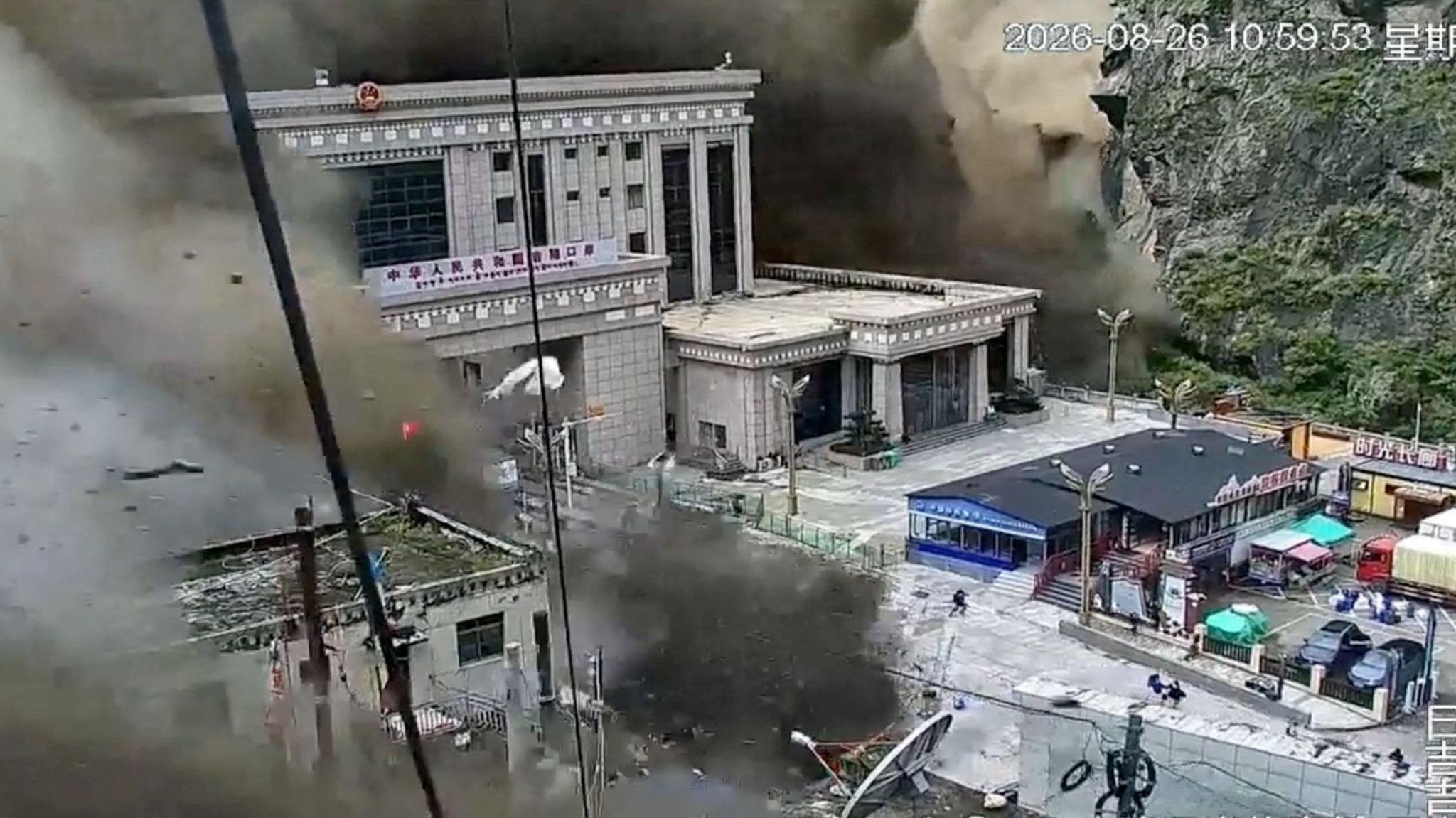
In the early morning of August 26, a dark wall of mud, water, and boulders erupted at the Gyirong border, a critical gateway between Kathmandu and Tibet. The CCTV footage, timestamped 10:59:53 UTC, captures the moment the torrent tore through the valley, detaching buildings, vehicles, and the Friendship Bridge that once linked the two sides.
At that instant, authorities recorded the final entry in the Nepalese immigration logs at 08:35 local time—just ten minutes before the flood. Four immigration officers, including the post head, vanished in the onslaught, only one body recovered far downstream. Meanwhile, 89 travellers had cleared exit procedures, and 275 Indians remain missing according to the Indian embassy, though on‑site witnesses claim the number could exceed 2,500.
The morning began unusually busy, with 300‑400 people awaiting exit and 132 Chinese pilgrims, including 77 from the Isha Foundation, poised to cross. Sudipto Bhattacharya, an Indian pilgrim, received a final phone message at 08:03 UTC saying “We are waiting to enter China” before the line of communication severed.
Hydrologists note the area’s geology—a high‑velocity, sediment‑laden river in steep gorges— makes it a flash‑flood hotspot. Researchers linked the disaster to a glacier collapse upstream, a seismic signal recorded mere minutes before the flood’s arrival.
Rescue teams arrived on August 28, finding only ruins. The border was previously dry from a July 2025 flood and was only recently reopened with a temporary bridge. With over 100,000 crossings reported by June, the closure has strained trade, prompting calls for alternate routes and stronger infrastructure against future floods.