In brief
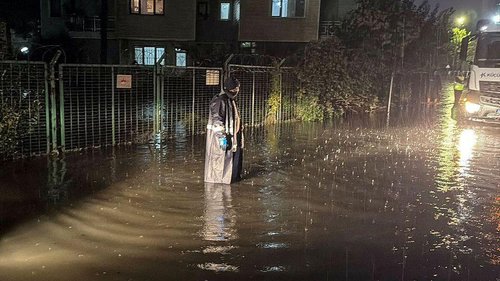
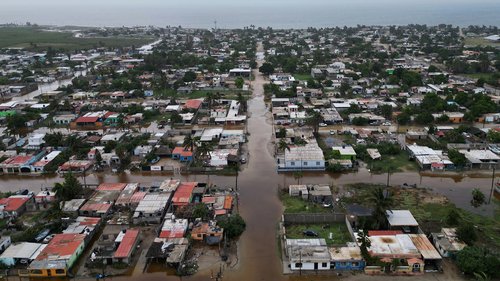
As the muddy floodwaters engulfed Colombia, Nepal reports 600+ workers trapped in subterranean tunnels along the Trishuli River. The army, backed by international forces, began blasting into the hillside to access the submerged tunnels. Family members hold onto hope, citing oxygen systems inside the tunnels as a potential lifeline. The death toll climbs, with 939 confirmed dead and 3,925 missing per Nepal's disaster authority. The operation remains precarious, intensified by the need for swift rescue and concerns over safety of those trapped underground.
The spring floods on the Nepal–Tibet border have caused a deluge that sweeps through the mountainous Trishuli River valley, leaving more than 600 hydropower workers trapped in a network of mud‑filled tunnels.
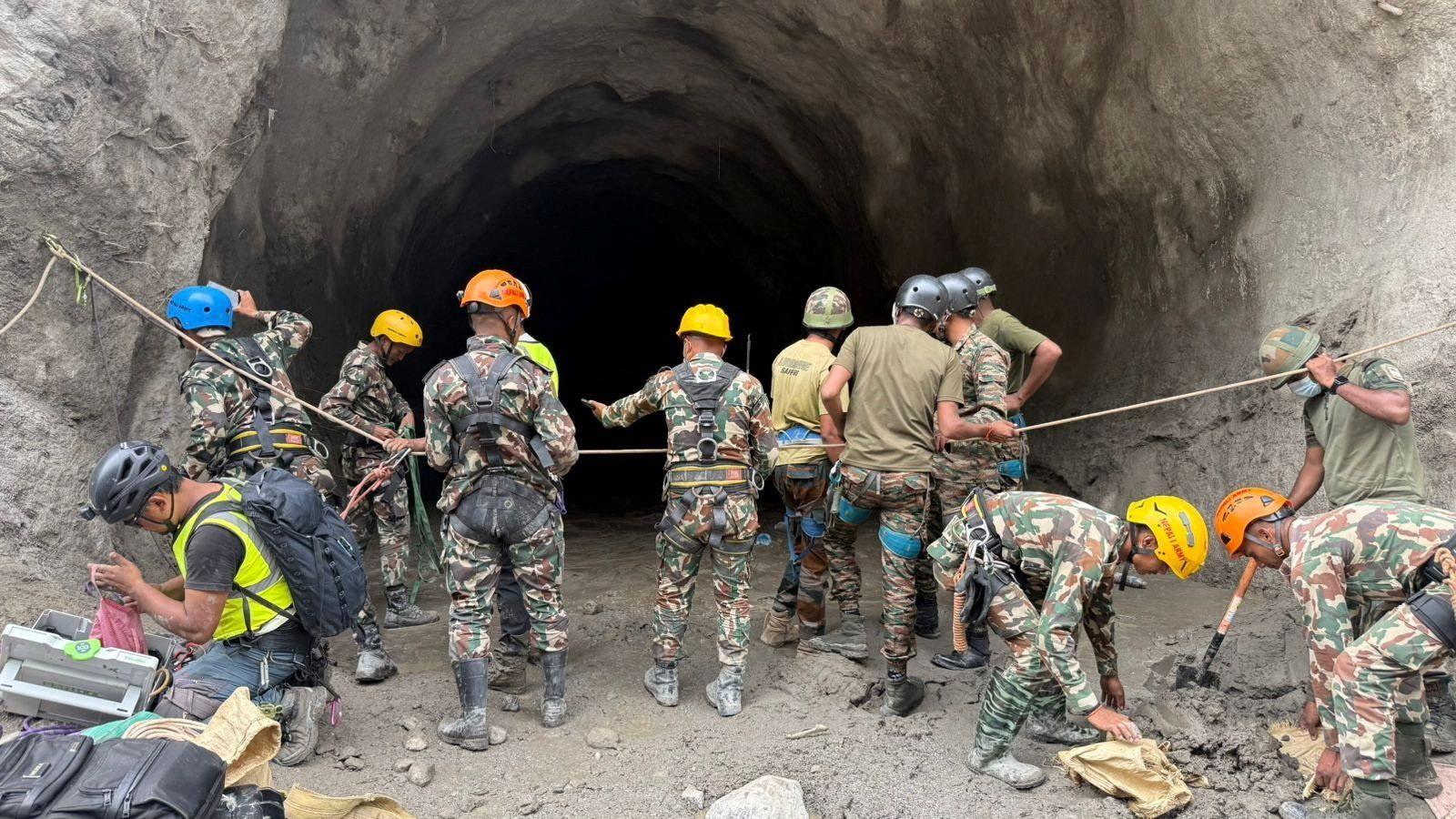
Army teams together with international support from China, India, Korea and Australia began blasting into the hillside to open pathways toward the submerged Trishuli‑3A site. They are pumping air into the tunnels, hoping that life is still sustained inside the buried structures.
Anushila Bhandari, the wife of engineer Aurus Bhandari who is missing, said: 'I wish we could find him. I wish he would come home.' Sita Pandey, whose husband also worked in the plant, echoed her sentiment, noting: 'I still have a 50 percent hope that he is alive because there is an oxygen system inside.'
Nationwide, authorities confirm 939 fatalities and revise the missing count to 3,925, of whom 592 are foreign nationals. Prime Minister Balendra Shah announced that 279 people have been rescued so far and that 11,379 were saved during the ongoing operation.
Engineer Arnold Dix, assisting remotely from Australia, warned that the tunnels’ signatures appear gone, likening the landscape to a “lunar”; he highlighted the extraordinary scale of boulders blocking access. He remains hopeful that the subterranean environment may have shielded trapped workers from the worst forces above.
In Chitwan, a downstream district, makeshift burials have begun as nearly 300 bodies washed into the river. Medical staff are extracting DNA from unidentified remains, while district officials lament the lack of storage for identification.
In Tibet, Chinese authorities report 16 deaths and 546 missing, but have censored flood footage and penalised online speculation. Nepal’s media censure continues, with removal of content deemed misinformation.
The intense relief effort underscores Nepal’s reliance on hydropower; at least 11 projects along the river were damaged or disrupted by the floods. Rescuers warn that delays could close the critical window to rescue those still underground.
The coordinated international operation demonstrates a rapid, adaptive response to a natural disaster that has already claimed thousands and threatened to leave many more trapped for years to come.