As celebrations ripple through the streets of Homs—a city once dubbed the "capital of the revolution"—signs of hope and recovery emerge amidst the painful scars of war. Baraa, now a 20-year-old university student, reflects on her childhood of trauma and hunger which starkly contrasts the joy she feels today as her family and other locals bask in the newfound optimism sparked by the potential end of Bashar al-Assad's lengthy rule.
Recalling her bleak past during a war that obliterated their innocence, Baraa's voice transforms from fear to hope as she envisions her future. "I am dreaming of so many things now, to finish university, to do a master's degree," she expresses with confidence. Her father, Farhan Abdul Ghani, echoes this sentiment, highlighting the welcoming changes in their city's market where prices have fallen, allowing families like theirs to finally find some relief.
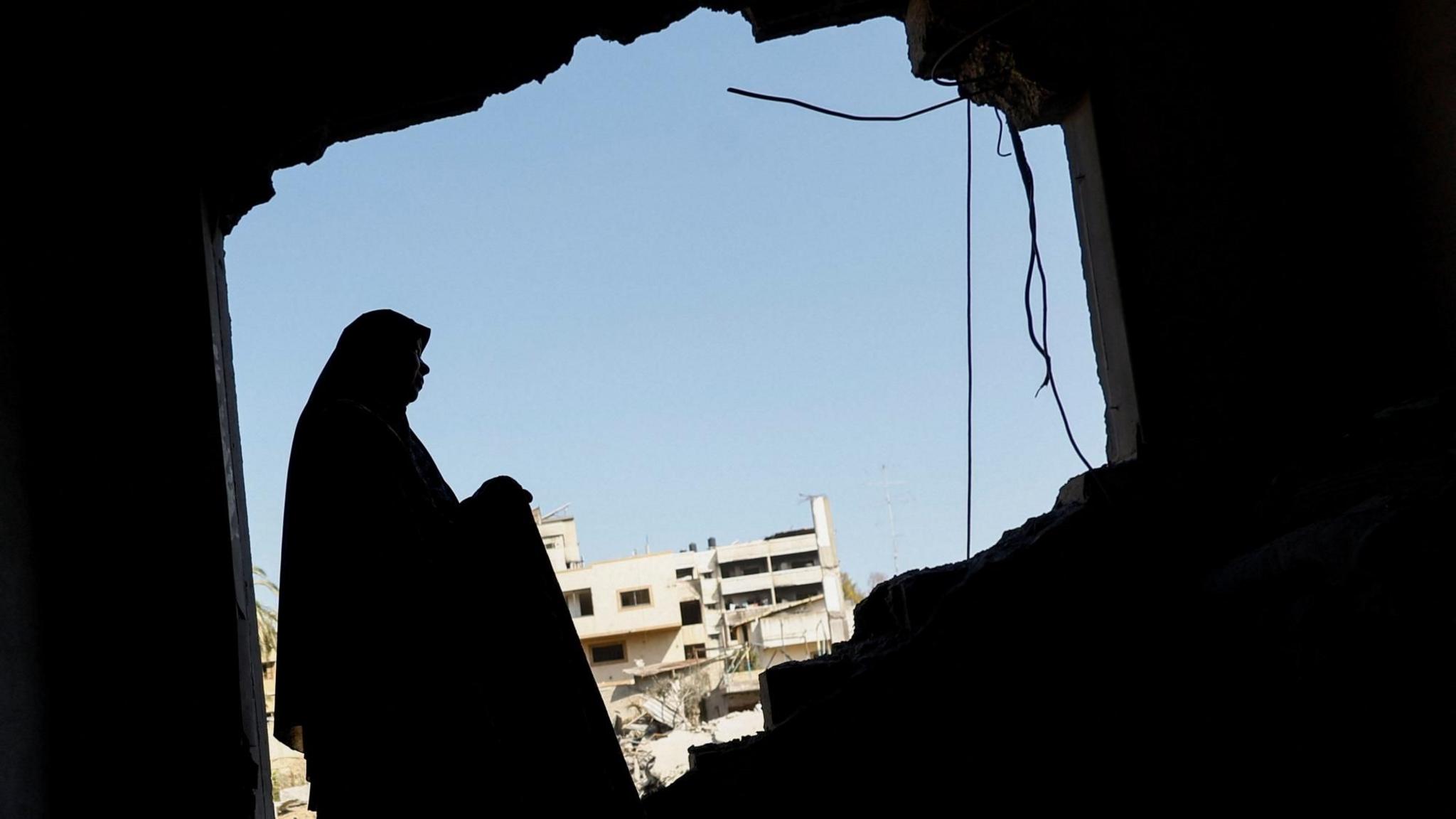
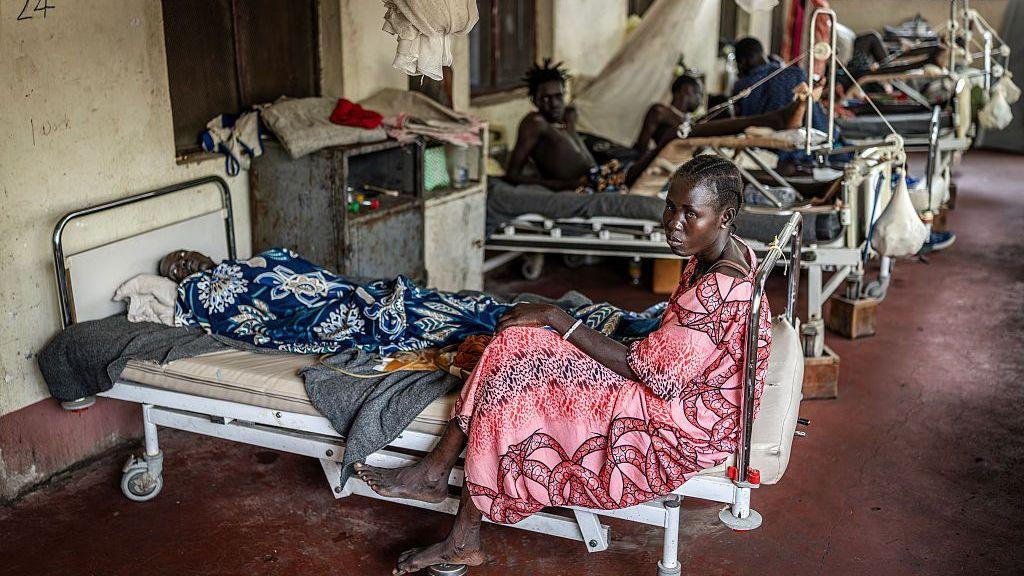
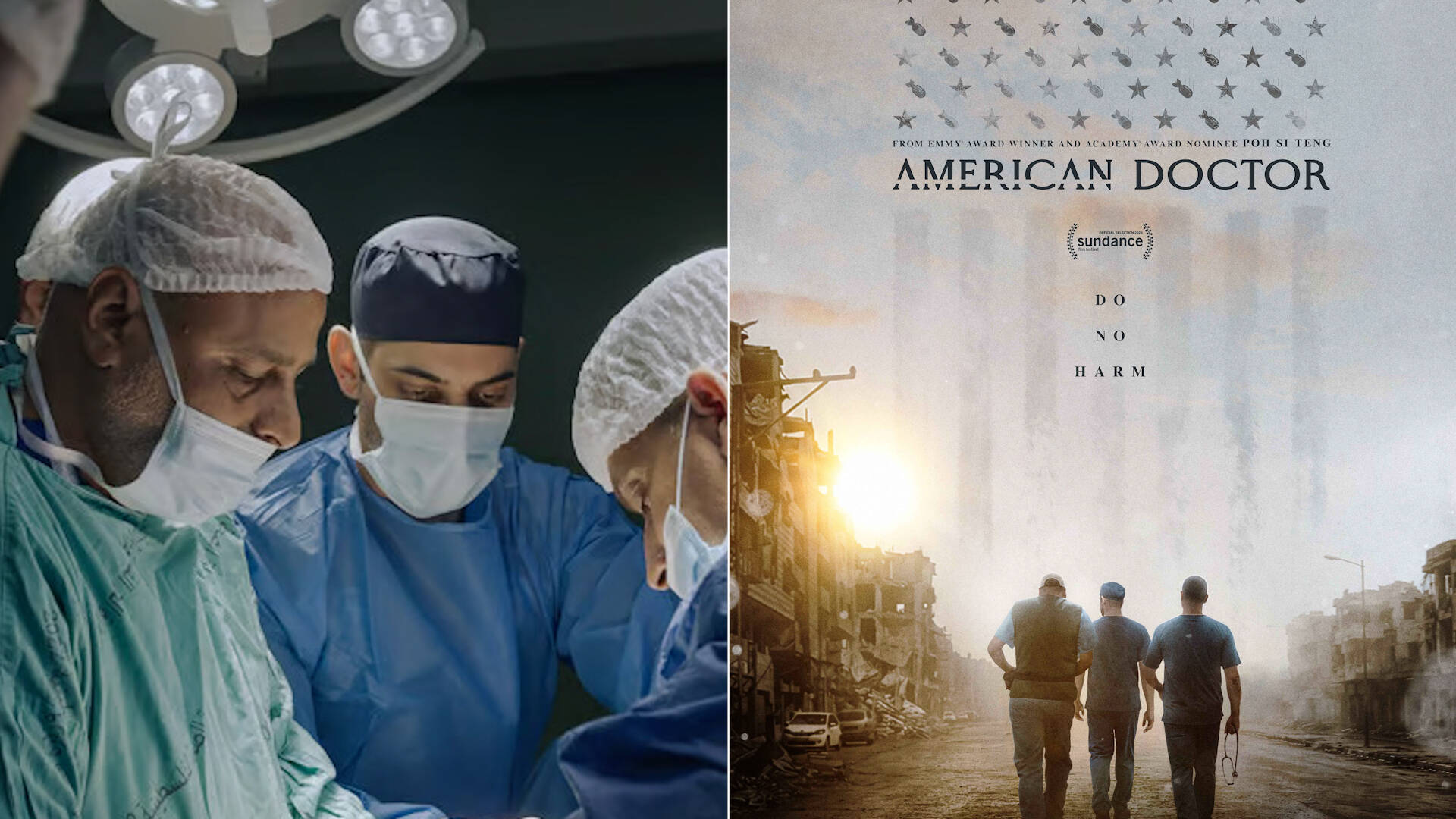
The echoes of violence linger, however. Farhan carries the burden of loss, having lost his wife to a missile strike. The memories haunt but fuel a collective determination among residents to rebuild their shattered community. Dr. Hayan al-Abrash, a former underground physician whose makeshift hospital served countless victims, also grapples with the juxtaposition of grief and the prospect of a renewed Homs. "It’s not a time for revenge. It’s a time to build Syria for everyone," he asserts.
As the physical and emotional landscapes of Homs remain marred by destruction, symbols of resilience and unity emerge from its ruins. Families come together, breaking down sectarian barriers, embracing a spirit of collaboration. In a poignant visit to a Jesuit monastery, families rekindle memories that embody survival and kinship across faith lines, emphasizing that healing will be a shared journey requiring patience.
The past still casts a long shadow, yet the residents of Homs stand at a hopeful intersection of recovery and renewal, united in their desire to forge a brighter future—together.