French Student Protests Send Shockwaves Through Government
Hundreds of schools nationwide are blocked, fires lit, and police reports thousands of injuries as student demonstrators return to the streets.

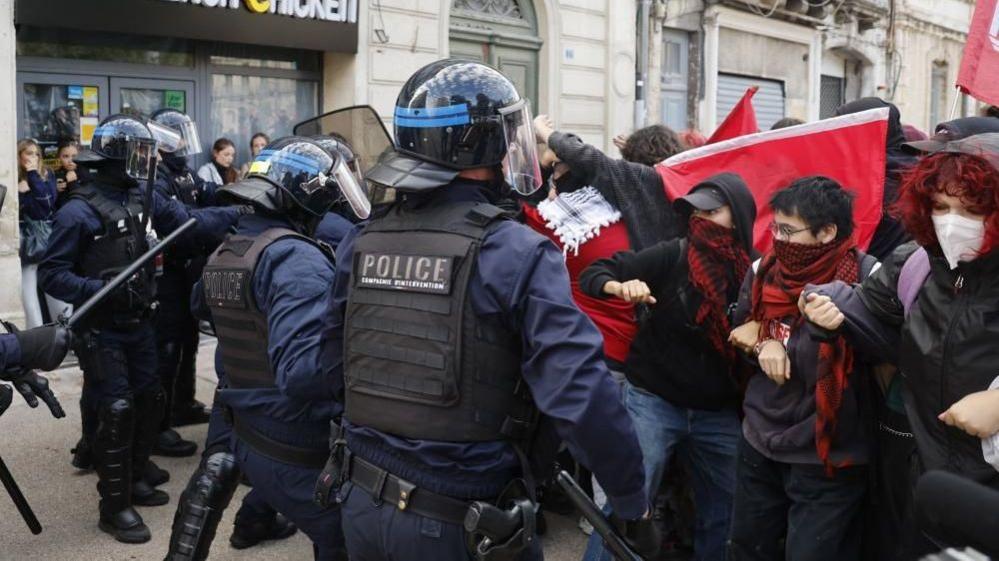
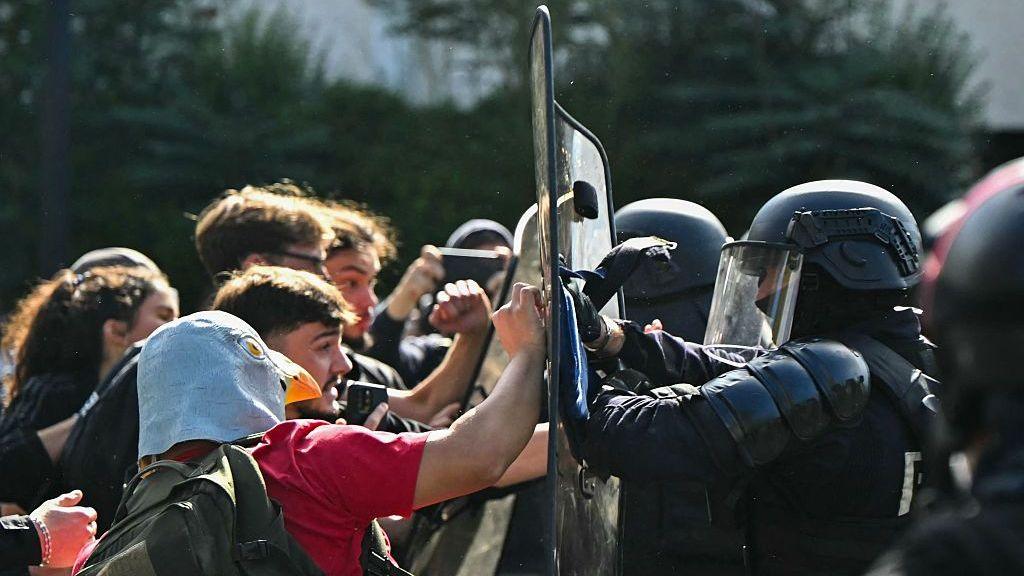
The unrest began on 1 October in the low‑income Seine‑Saint‑Denis suburb of Paris and has since spread to nearly every major city, with more than 400 secondary schools, including lycées and universities, either closed or under protest.
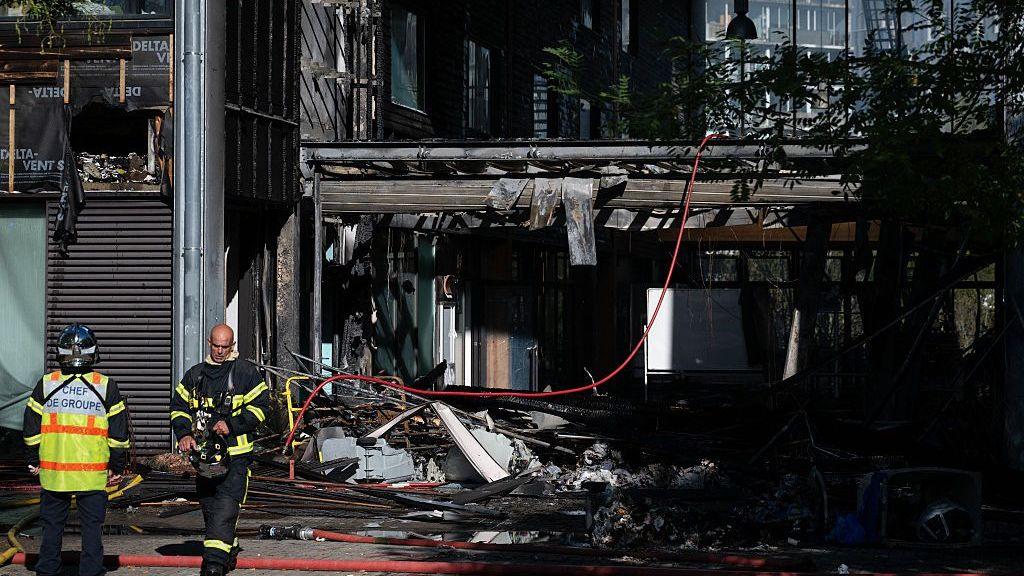
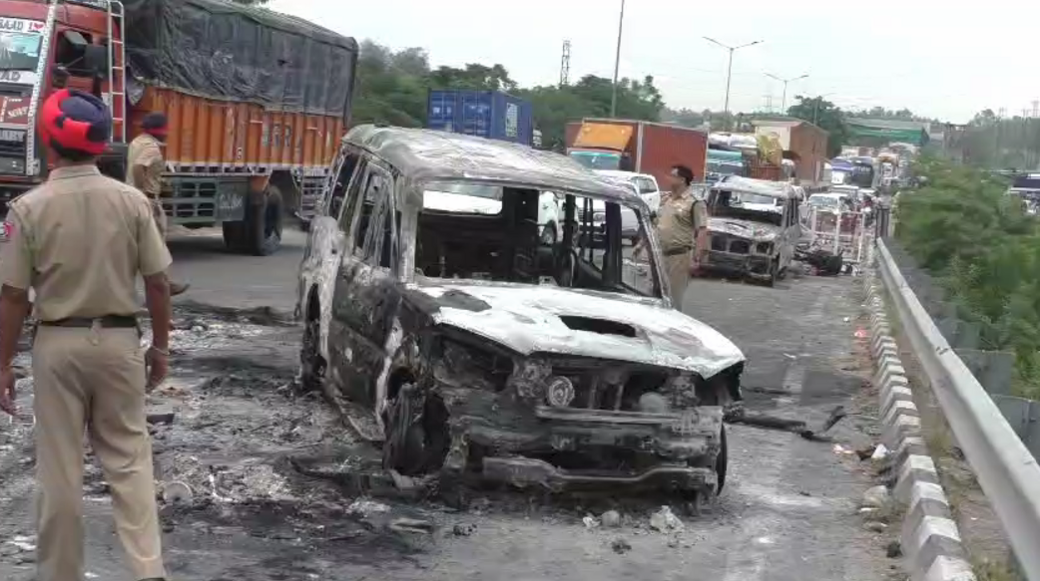
Violence has escalated: a main hall in a Nantes lycée was razed to the ground, and smaller arsons sparked across the country. Schools, teachers and staff have reported injuries, with Education Minister Édouard Geffray citing 65 teaching staff and 40 headteachers harmed.
Police and fire crews have treated about 300 personnel for injuries and detained roughly 2,000, most of them minors. Student union groups claim that the violence was exaggerated, citing a separate list of those hurt by police.
Agency budgets are being cut – Prime Minister Sébastien Lecornu has announced a €54 bn trim for next year – while the left‑wing France Unbowed party, led by presidential hopeful Jean‑Luc Mélenchon, has publicly called for restraint, suggesting that some student demonstrators are being boosted by external forces.
Allegations that far‑left unions and politicians are 'flame‑kindling' the protests are backed by an internal police report that points to flag displays, paramilitary tactics and calls for extra demonstrations at police stations.
In the run‑up to the May presidential election, the protests have become a flashpoint, with parties on both sides voicing concerns that a more violent outcome could destabilise the country.
Students, while demanding more funding for teachers, smaller classes, and better facilities, also highlight broader grievances—overcrowding and inadequate funding that have long plagued the French education system.
As the government struggles to restore order, the far‑right and centre remain wary of any manipulation that could sway the upcoming election, while the ageing Macron administration faces the dual challenge of quelling unrest while managing mounting public expectations.