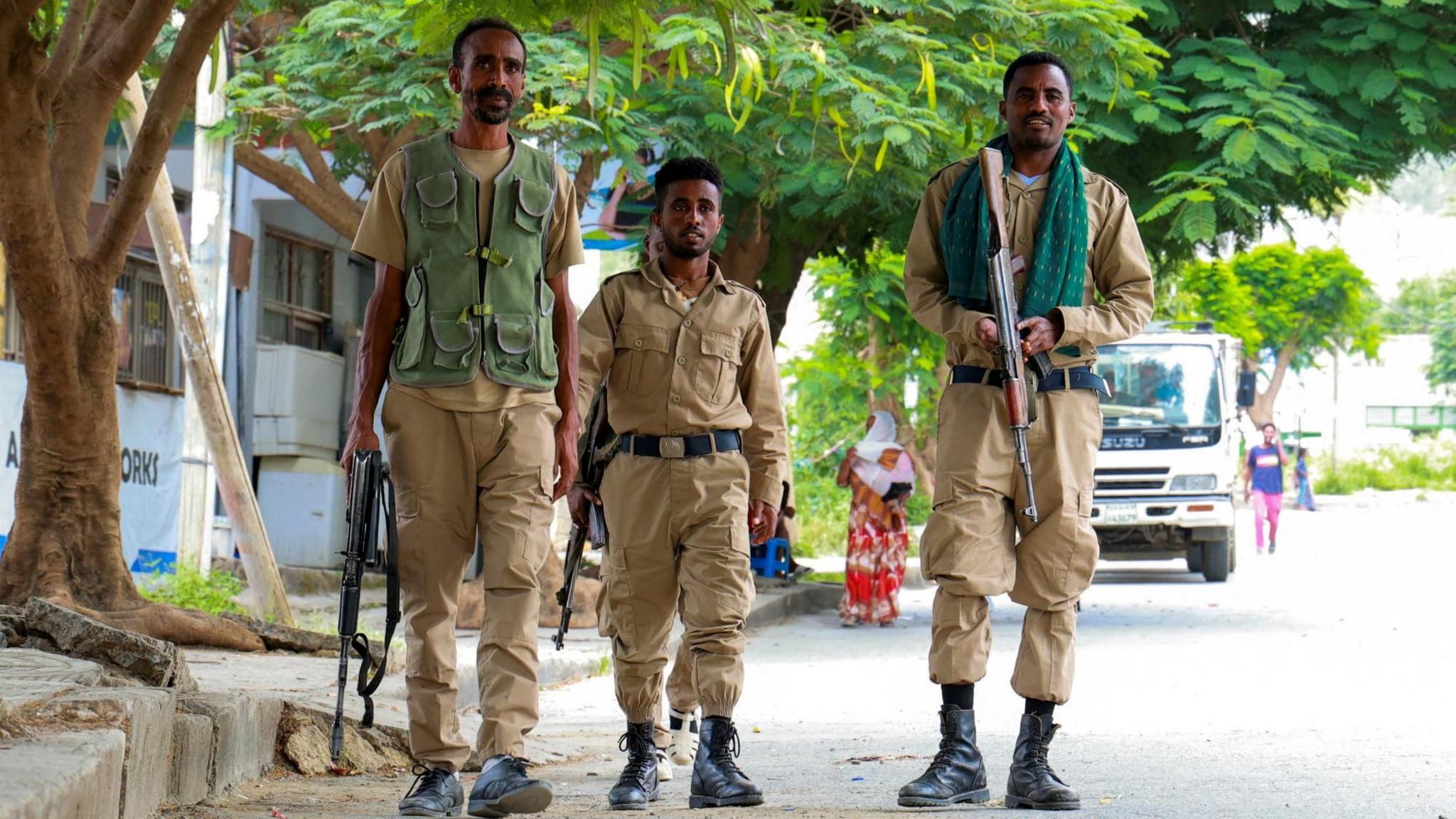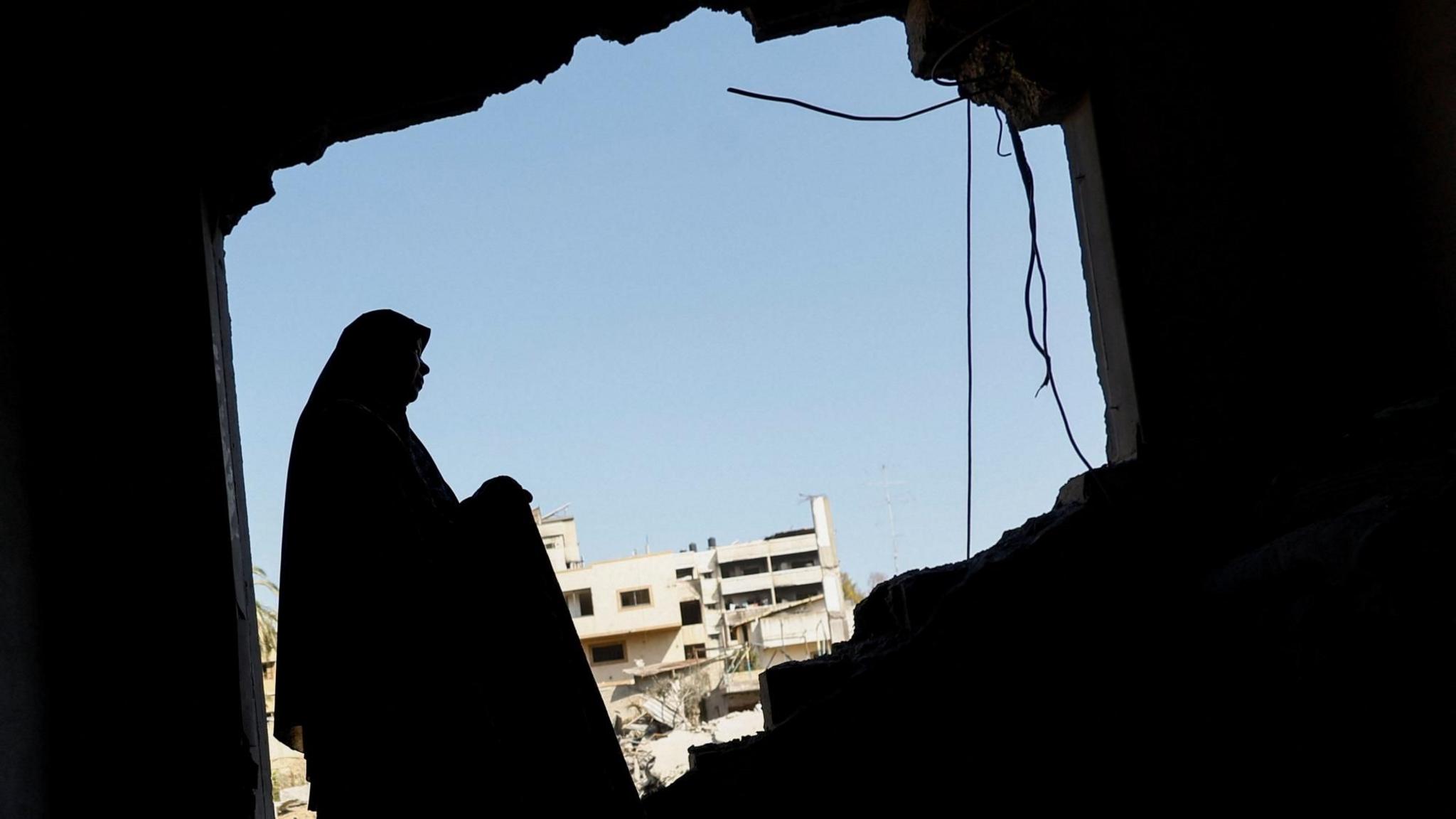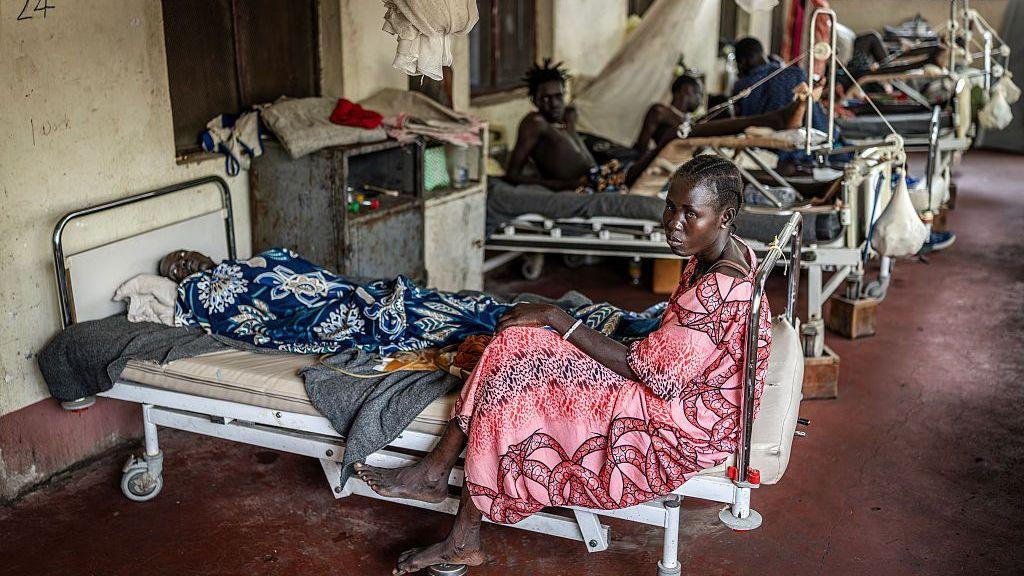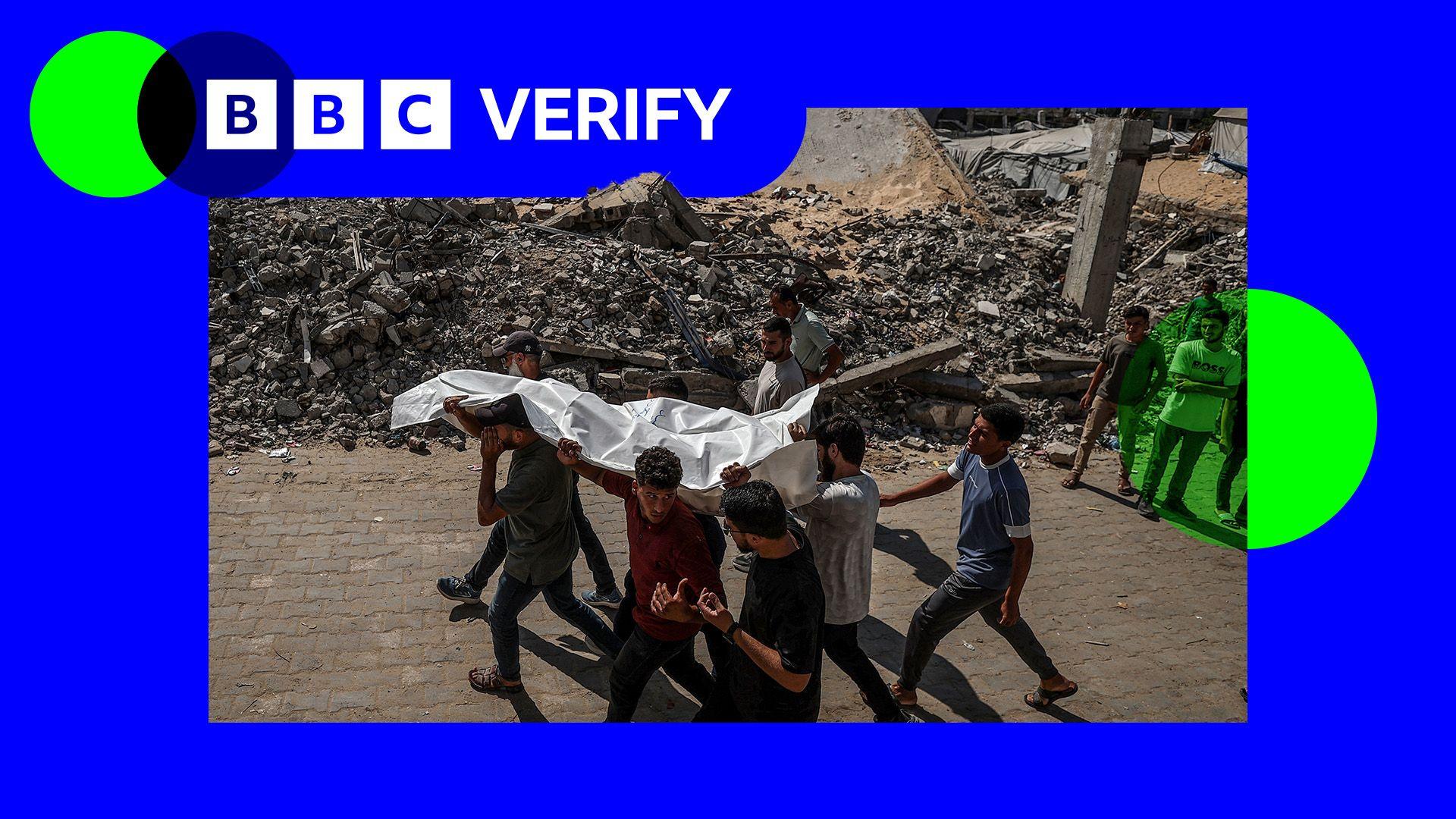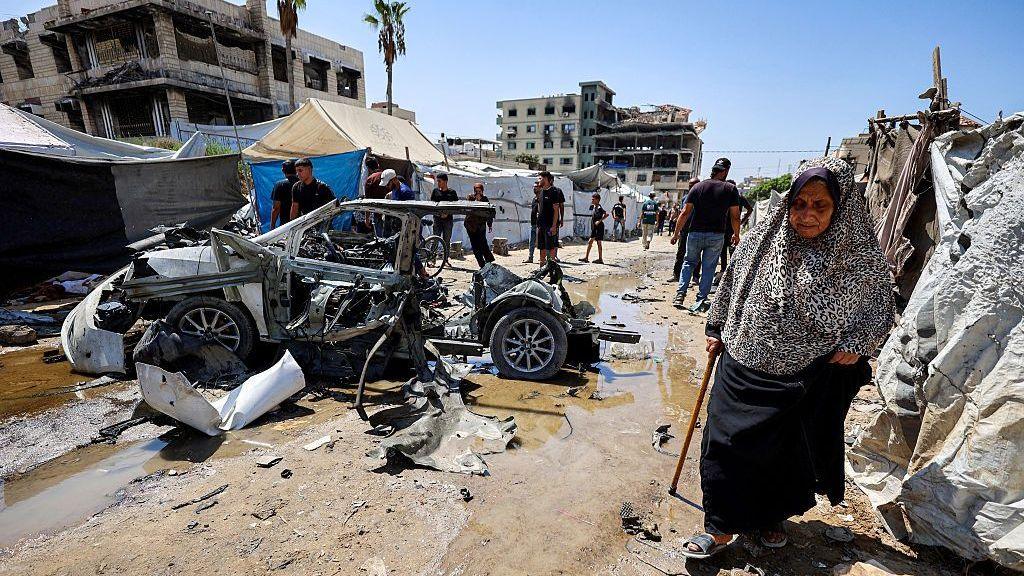
A medic at Alamata General Hospital told the BBC that the fighting, lasting from Saturday to Monday, involved heavy explosives and artillery and that 52 civilians had been killed during the three days of the clash.
Alamata was seized by federal forces after months of tension between the government and the Tigray People’s Liberation Front (TPLF), who report having responded to a federal offensive that included drone strikes.
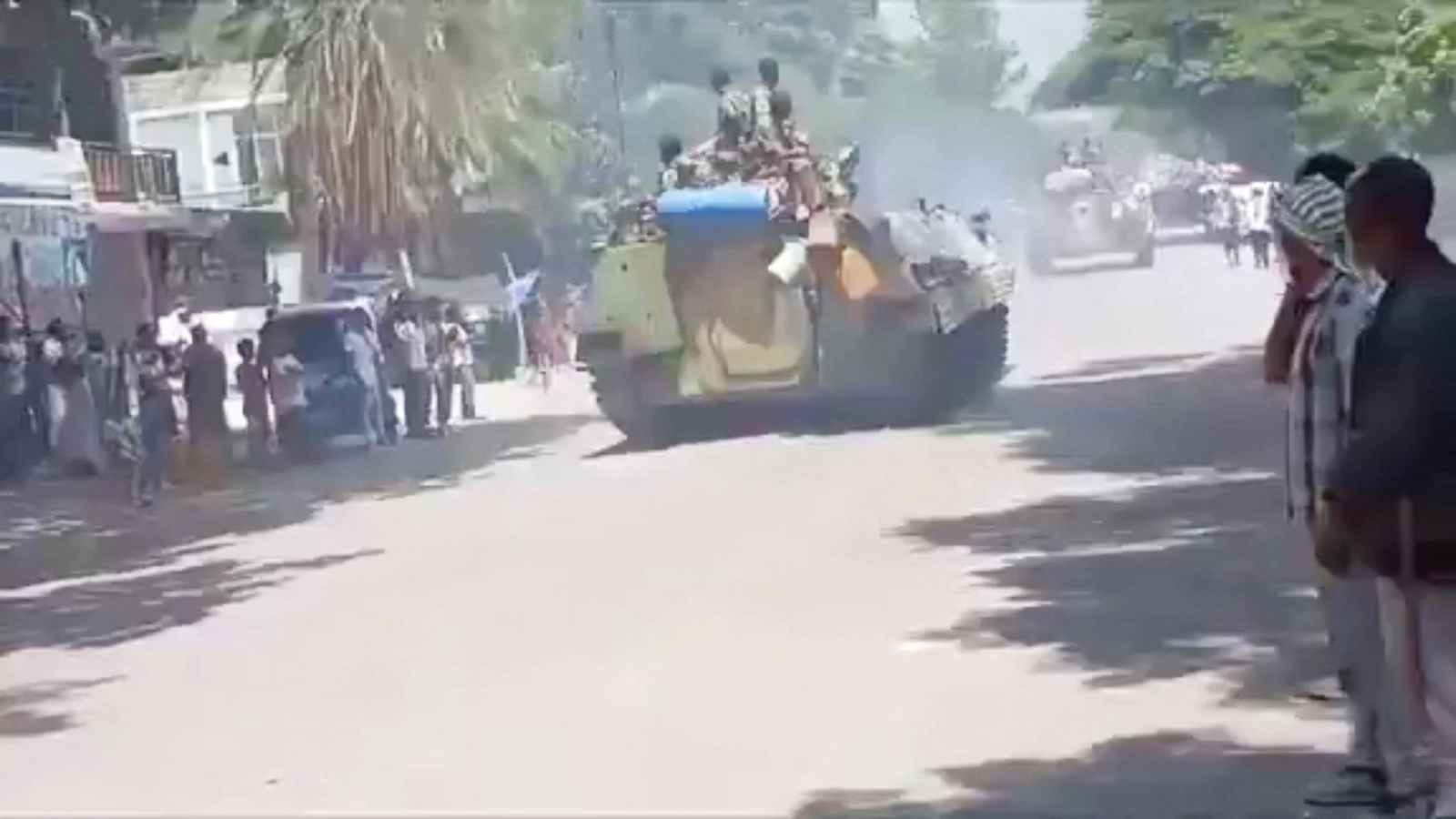
Social media clips captured army tanks barreling down Alamata’s streets, signalling a push north toward Mekelle, Tigray’s main city.
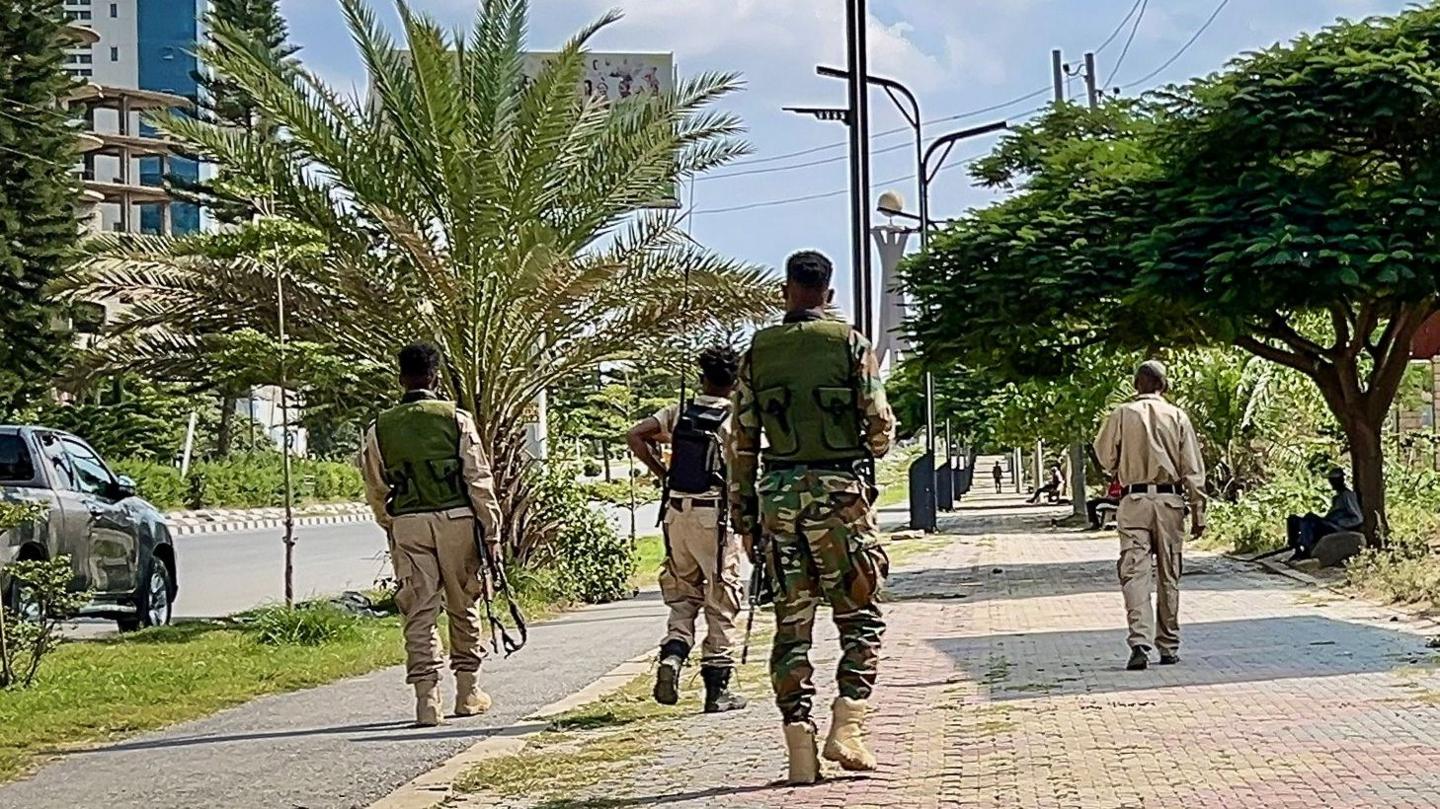
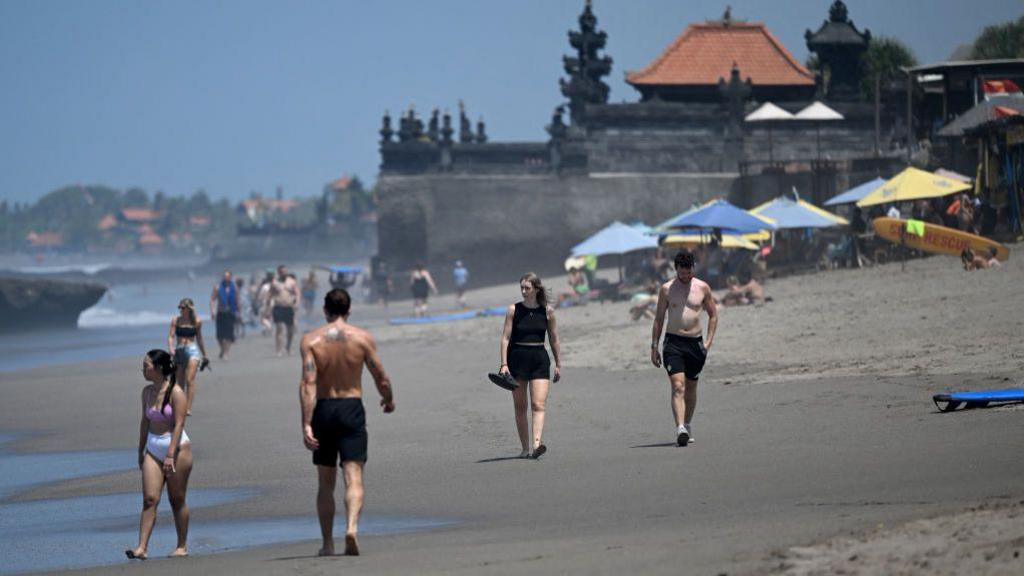
The conflict has spilled over into neighbouring regions. In Lalibela, a UNESCO World Heritage site, 33 tourists have been stranded since the local airport shut to commercial flights last Wednesday. A British tourist, quoted on BBC Newsday, reported that the town was surrounded by a large military presence and that the area had largely calmed down in the last two days.
Tourists, including 14 Israelis who were airlifted out by military helicopter, as well as others from the US, UK, South Korea, South Africa and Mexico, remain in a precarious situation.
Reports from the Tigray Broadcasting Service (TBS), based in Addis Ababa, say the broadcaster is launching a program to reconnect families isolated by the telecom shutdown. Video messages are being collected via a Telegram channel and broadcast via satellite TV.
The Ethiopian government has also suspended banking services in Tigray, freezing or restricting accounts opened in the region for people outside Tigray, according to sources who attempted mobile transfers from Addis Ababa to other cities.
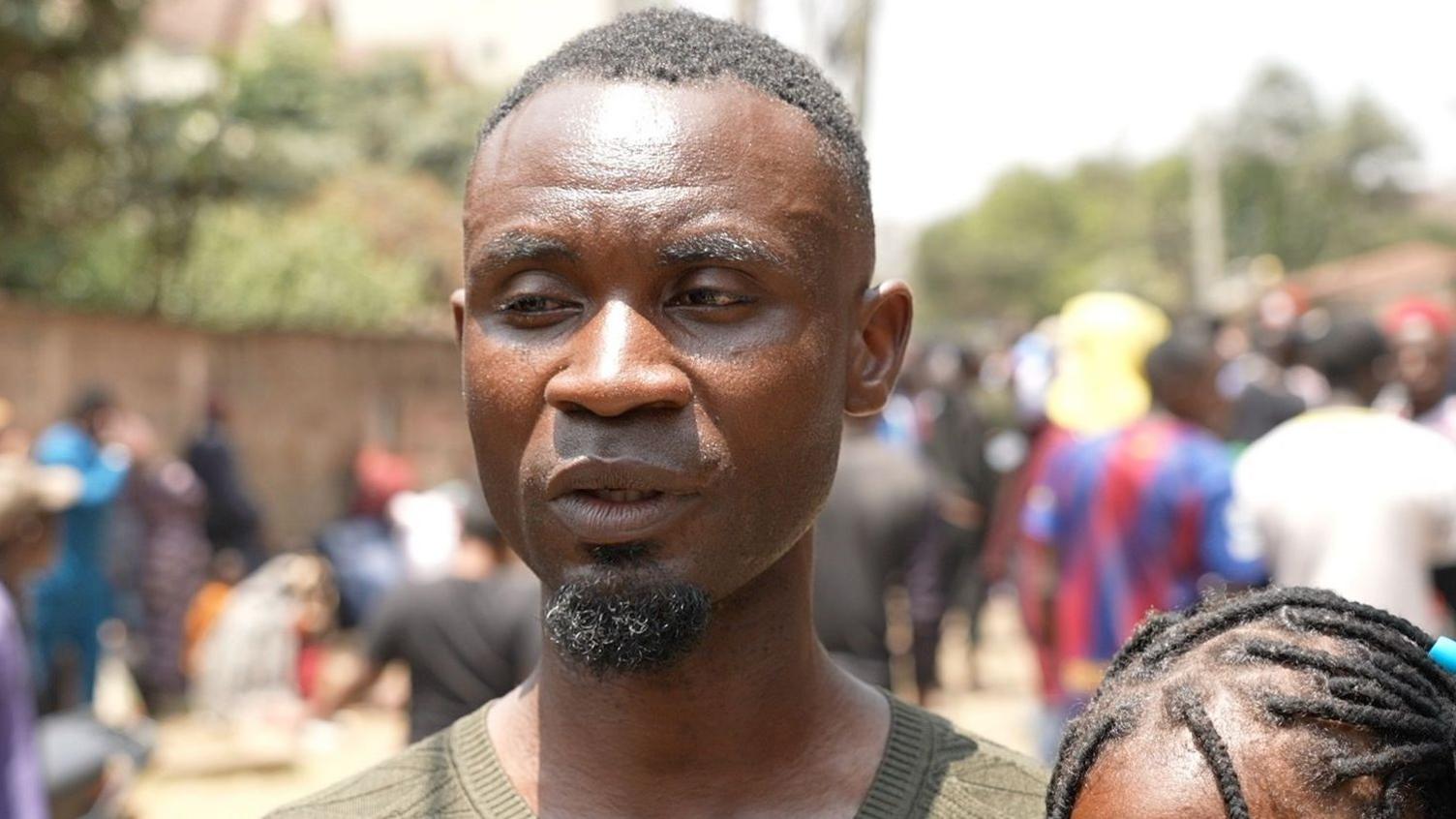
Clashes in Tigray also involve TPLF fighters in the Afar region, a strategic corridor linking the landlocked country to Djibouti. Over the last few days, Médecins Sans Frontières (MSF) reported more than 700 wounded people admitted to hospitals it supports. A doctor at Alamata General Hospital noted that the casualty list included children as young as three days old, mothers and cattle herders.
The TPLF maintains it was reacting to an offensive, while federal authorities claim Tigrayan forces began the attack after seizing airports. The two sides sit at odds over who fired first. The lack of reliable communications during the conflict has made independent reporting difficult.