In a nation where the average age of the population is just 17, Uganda's presidential election set to take place Thursday is poised to be a watershed moment. The elderly incumbent, President Yoweri Museveni, has been in power for 40 years and is vying for a seventh term against the youthful challenger, Bobi Wine, a former pop star turned politician, who represents a wave of change demanded by the country’s youth.
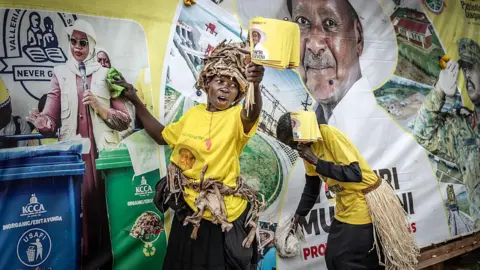
Public gatherings are dominated by young supporters, often dressed in the bright colors of their preferred political parties, eagerly participating in rallies and debates that reflect a stark divide in vision for Uganda’s future.
While enthusiasts of each candidate voice their unwavering support, the enthusiasm for change is palpable among many young voters. Supporters at opposition rallies express a yearning for the promise of development and progress, with some like Steven Bagasha Byaruhanga voicing hope for Wine to usher in this shift.
Conversely, supporters of Museveni highlight stability and continuity, arguing that change can be dangerous at this moment. This paints a complex picture, as younger Ugandans grapple with widespread unemployment and prospects of a stable future.
The stark generational divide is further highlighted by the contrasting campaign messages - the ruling National Resistance Movement emphasizes continuity while Bobi Wine’s campaign underlines the urgency for liberation and youth empowerment.
Political observers stress that this election is not merely about the candidates but a critical moment reflecting what many see as a challenge between established leadership and the younger generation's demands for meaningful participation in Uganda's political life. As the election draws near, the outcome may very well determine the nation's direction for years to come.