In brief
As spring planting begins, Midwest soybean farmers like Doug Bartek express concerns about escalating input costs, low commodity prices, and market instability fueled by tariffs and global conflicts. Bartek, alongside other farmers, faces financial difficulties, particularly from rising fuel, equipment, and fertilizer prices. With the impact of tariffs and ongoing international issues, farmers fear long-lasting repercussions on their livelihoods.
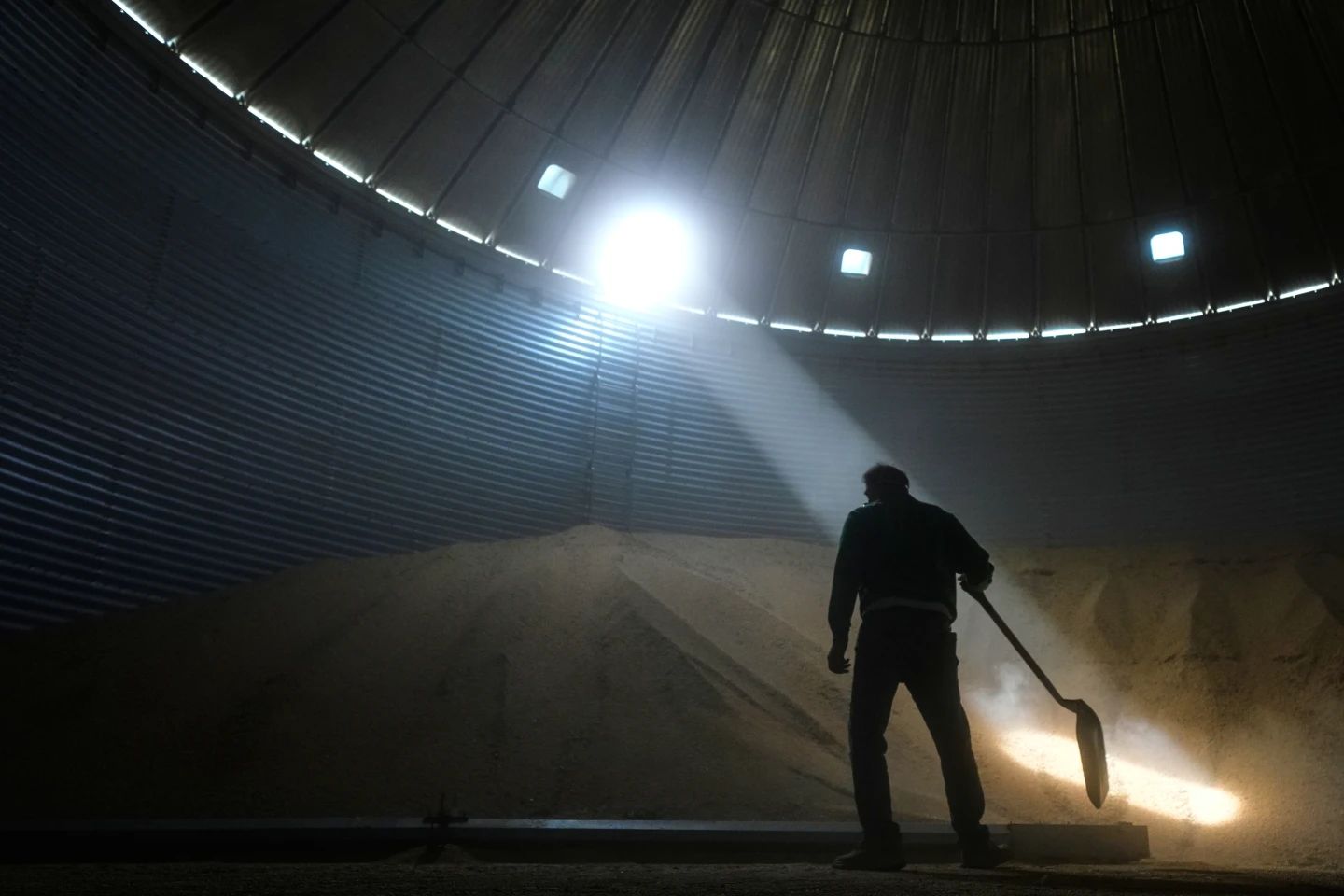
WAHOO, Neb. (AP) — Strong winds whipped around Doug Bartek, a fifth-generation farmer, as he headed into a grain bin to shovel soybeans onto a conveyor chute. The 60-year-old was anxious at the onset of the spring planting season, rattling off the long list of issues affecting his family’s livelihood at their 2,000-acre farm near Wahoo, Nebraska.
The high cost of fuel, equipment, and fertilizer — compounded by international conflicts and tariffs, along with perceived price gouging by suppliers, has created a challenging situation for many in agriculture. Coupled with low soybean prices stemming from a global supply glut, Bartek, who serves as chairman of the Nebraska Soybean Association, feels pressured.
“Our biggest struggles are our inputs, be it fertilizer, seed, chemical, parts,” said Bartek. “There has been so much drastic markup in all of these. And I just kind of feel like the farmer’s kind of painted in the corner.”
Bartek’s concerns are echoed by fellow soybean producers across the Midwest. Operating costs, including machinery and farming essentials, have increased over time, while soybean prices remain low. Tariffs from the previous administration worsened conditions as the trade war with China diminished market opportunities.
The situation is exacerbated by disruptions in global fertilizer supplies, leading to higher prices for essential farming inputs. Bartek highlighted the unease among producers as they approach another uncertain year, forecasting negative returns.
According to agricultural economist Chad Hart, U.S. farmers are feeling the strain of low prices due to oversupply driven by increased production in countries like Brazil. He acknowledged the financial stress farmers face from high production costs without corresponding income from sales.
The long-term impacts of tariffs and ongoing global conflicts continue to challenge financial stability amongst farmers, with many contemplating their future in agriculture. With farm bankruptcies on the rise, industry experts signal that unless significant changes occur, financial duress for farmers could escalate, leading to further consolidation in the sector.
Despite the pressures, Bartek holds onto his passion for farming but wrestles with concerns about the viability of agri-business for the next generation. His commitment remains steadfast, yet doubts loom. “Did I do the right thing helping him get into farming?” he wonders. “A lot of farmers are anxious not just for this planting season but for what lies ahead.”