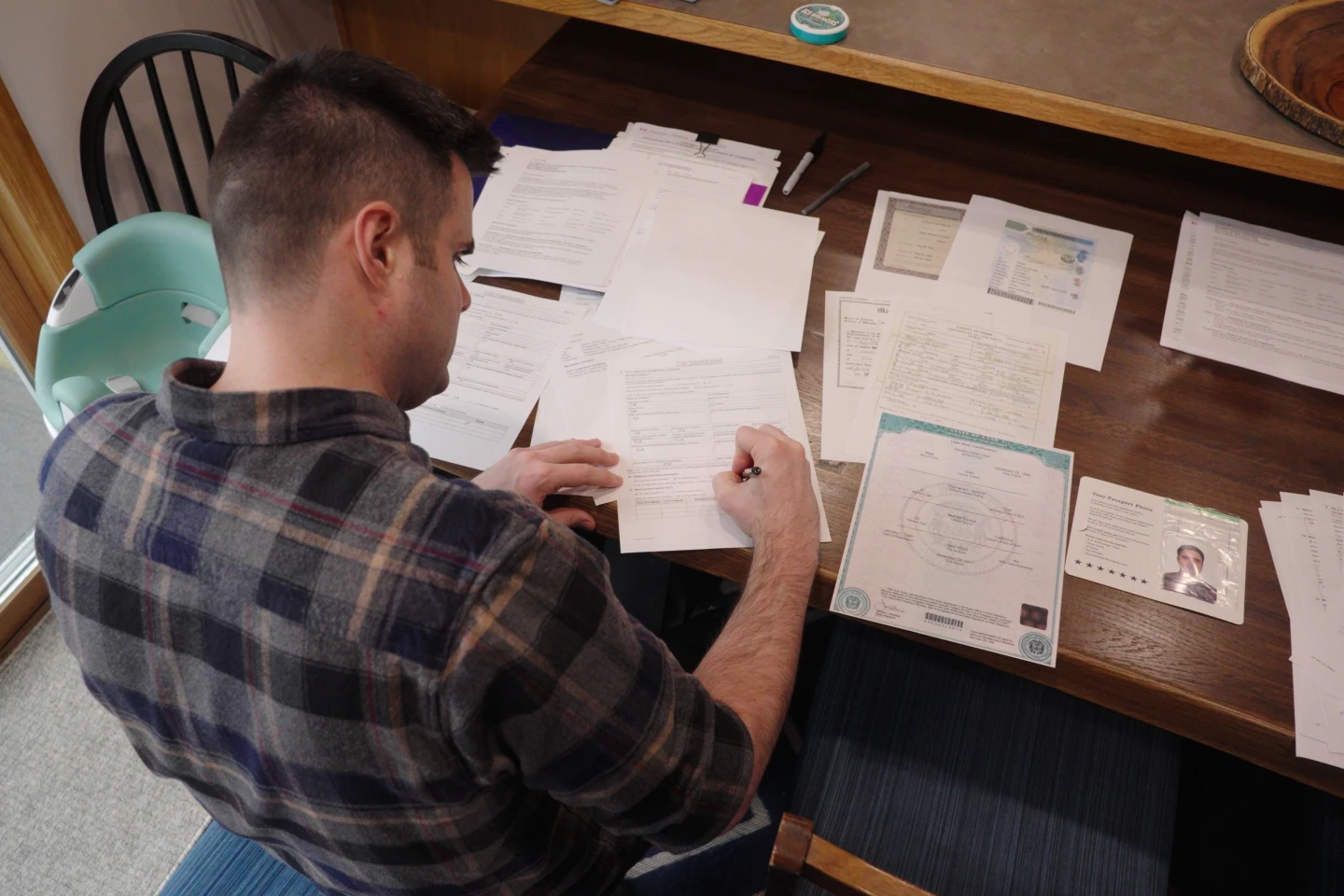
Sioux Falls, S.D. (AP) – Millions of Americans now have a simplified pathway to obtain Canadian citizenship, thanks to a new law implemented on December 15, 2025. This legislation has led to a significant increase in individuals researching their ancestry and submitting applications for dual citizenship.
Individuals like Zack Loud from Minnesota were surprised to discover that they are already regarded as Canadian citizens due to their Canadian grandparent. My wife and I were already talks about potential job opportunities outside the USA, and this made Canada a leading option for us, Loud remarked.
Immigration attorneys across North America are facing an overwhelming wave of inquiries from clients wanting to navigate the newly established citizenship application process. Nicholas Berning, an immigration lawyer in Washington, expressed that his firm has been inundated with cases since the law took effect.
Amandeep Hayer, another immigration attorney in Vancouver, noted that consultations have skyrocketed to over 20 per day.
This revamped citizenship law has effectively altered the rules in Canada. Previously, Canadian citizenship through descent was available only from a parent to a child. The new law allows individuals born prior to its enactment to claim citizenship via any direct Canadian ancestor, such as a grandparent or great-grandparent.
Motivations for seeking Canadian citizenship are varied, with many Americans citing political climate as a driving factor. One Bedford resident, Michelle Cunha, expressed her decision to seek citizenship was due to decades of political activism and a feeling of frustration with the current state of affairs in the United States.
Additionally, the costs associated with applying for Canadian citizenship are relatively low, with an application fee of around 75 Canadian dollars. However, those requiring legal assistance may incur significant expenses, as Cunha mentioned her attorney fees could total almost $6,500.
The demand for dual citizenship has led to a mixed response among Canadians, with feelings towards new applicants ranging from welcoming to concern over potential delays in processing refugee claims. Fen Hampson, a professor at Carleton University, explained that while Canadians are generally amiable, there is apprehension regarding those who may perceive Canadian citizenship as merely a convenient backup plan.