Bowen: Plan for Hamas to disarm faces big obstacles, yet it offers rare hope for Gaza
The latest diplomatic breakthrough sees Hamas agreeing to disarm in exchange for Israel pulling back from some occupied territory of Gaza, offering a possible path to easing the humanitarian crisis in the strip.
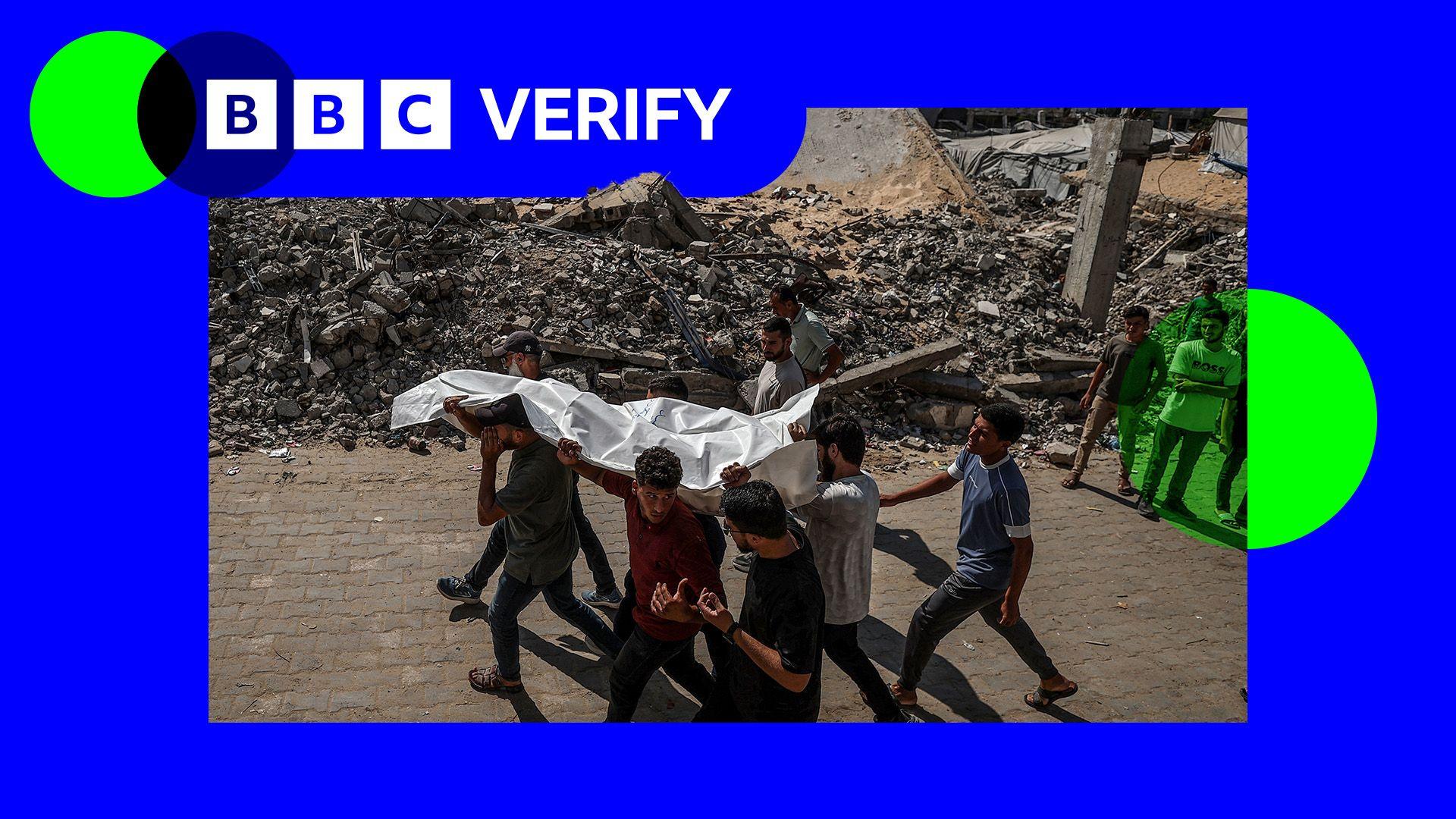
While the proposal might sound straightforward—Hamas hands over its weapons and Israel withdraws from about 70% of Gaza—reality is far more complicated. The war’s toll, with over 70,000 Palestinians dead and heavy civilian suffering, leaves both sides wary and mistrusting. Israel’s security concerns of any residual Hamas firepower add to the challenge.
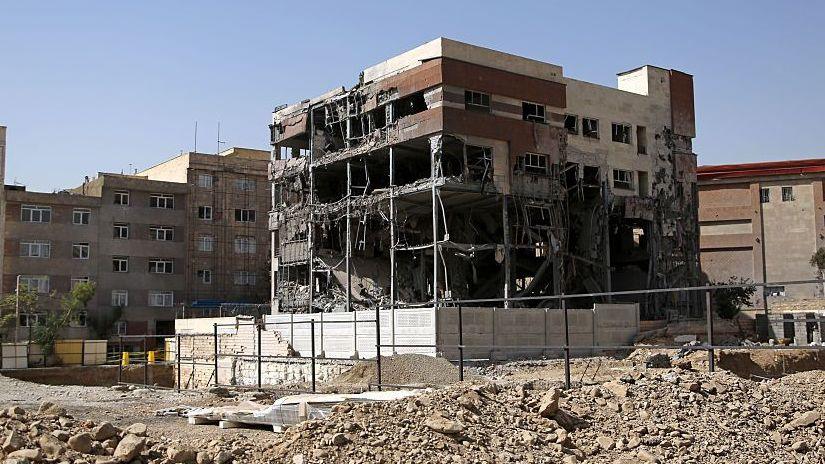
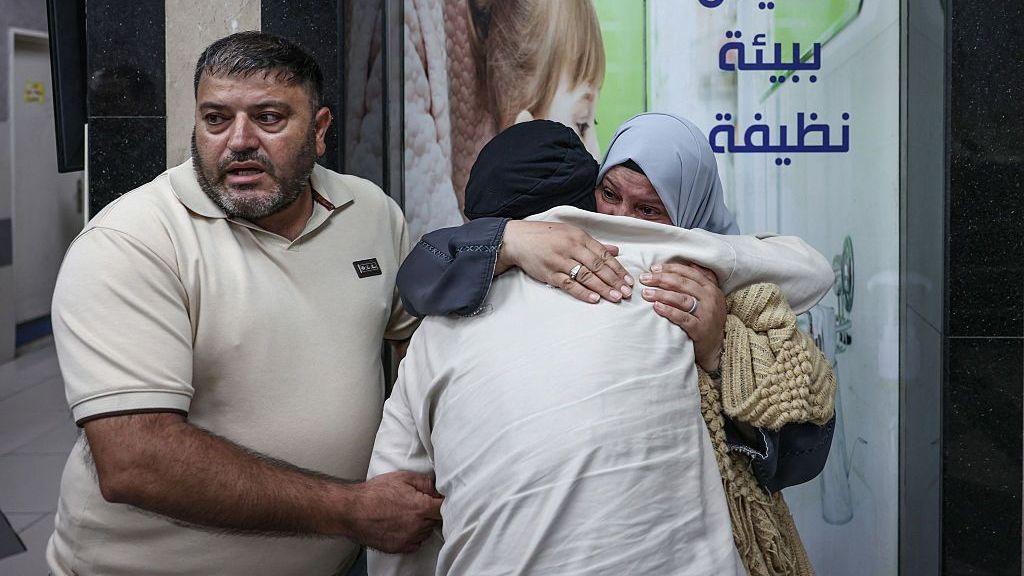
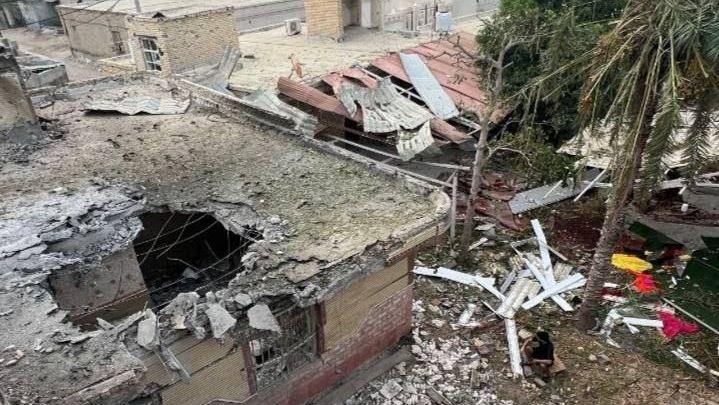
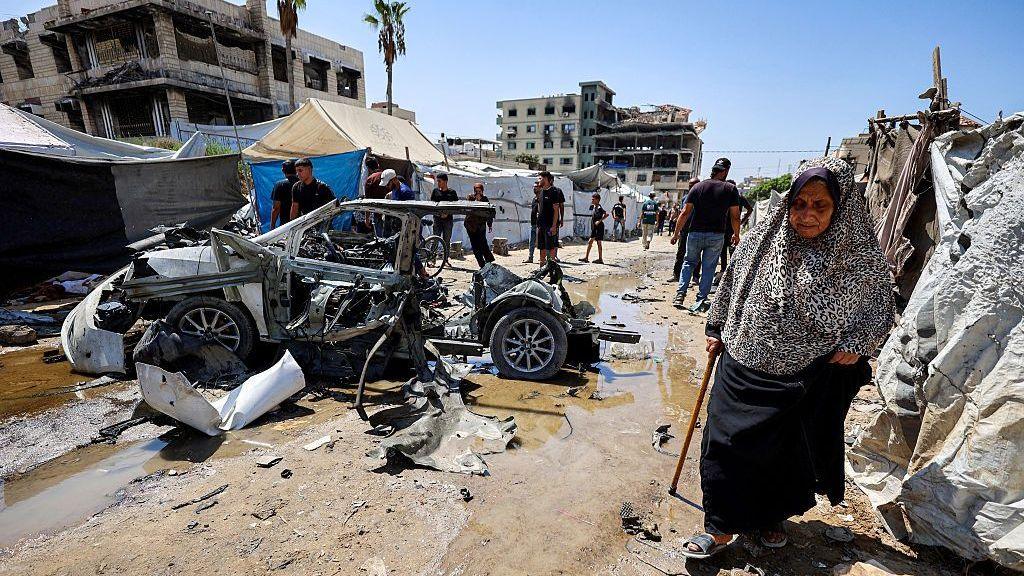
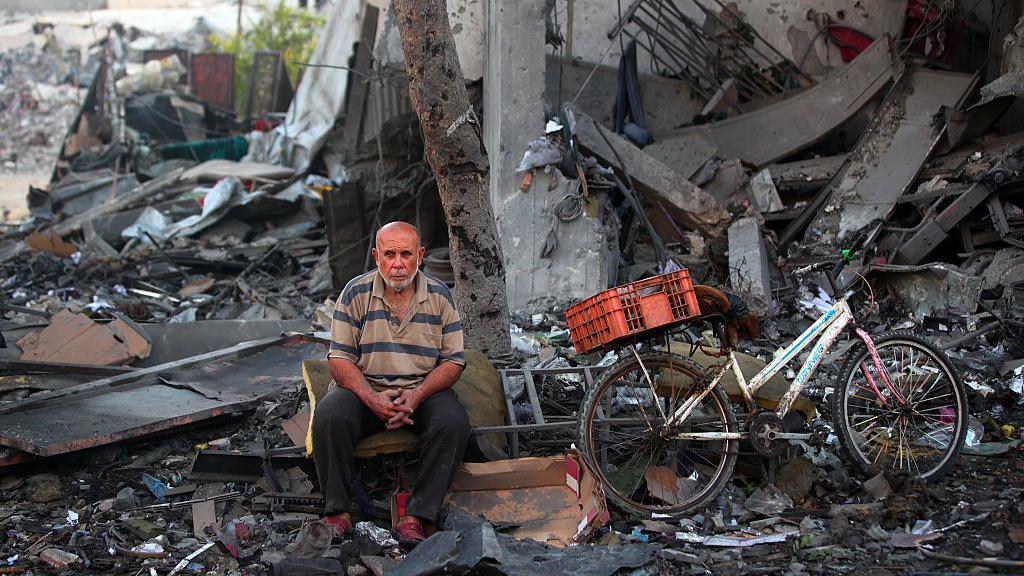
The humanitarian picture remains dire: more than 2 million civilians live in ruined homes, with children among the most affected. Gaza’s infrastructure has been largely obliterated by Israeli strikes and onsite demolition contractors, deepening the crisis.
Political context is volatile. Israel’s general election comes at the end of October, with Prime Minister Netanyahu’s legitimacy on the line amid a slowed corruption trial. On the U.S. side, President Trump seeks electoral success, hoping for a victory in Gaza to bolster his agenda. These domestic pressures shape the willingness of each to commit to the fragile agreement.
Hamas, devastated by the loss of senior ranks, has been shifting its focus to grassroots support, focusing on community programs and aid reliance. A key political figure, Khalil al Hayya, facilitated the decision to drop objections, aided by Egypt and Turkey’s diplomatic outreach.
The disarmament plan remains conditional on Israeli withdrawal, and the prospects of this conditionality depend heavily on sustained engagement and no sudden policy shifts. Meanwhile, tensions in the West Bank loom, with rising violence and settlement expansion further destabilising the region.
For the plan to succeed, there must be incremental steps building trust, with immediate humanitarian relief and a long-term political horizon for Palestinians. Any failure risks entrenching the cycle of conflict and leaving both peoples trapped in a state of war.