In brief
Israel has solidified a presence in roughly 5% of Lebanon by establishing new checkpoints, demolishing homes, and installing netting over civilian structures. UN convoy footage shows Israeli troops and equipment moving along fortified roads, highlighting the militarisation of the area. Hezbollah denies any attacks while Israeli officials talk of a "security zone" to protect northern Israel from rockets. Human‑rights groups label the destruction a potential war crime, and Lebanon’s intelligence reports say Israel continues daily incursions beyond the occupied zone.
On a windswept stretch of Mediterranean highway, a lone checkpoint – the last echo of Lebanon's national flag – stands beside a string of Israeli standards marking the edge of occupation. Behind the concrete walls, the road is empty, and the surrounding farms lie scarred by air strikes and abandoned crops.
Near Naqoura, the only visible symbol of Lebanese authority is a flag‑topped police outpost, overtaken a few kilometres to the south by Israeli checkpoints that host soldiers and surveillance drones. The territory under Israeli control today covers about five per cent of Lebanon and extends up to ten kilometres from the border.
A BBC convoy, driven by a Finnish UNIFIL commander, escorted civilians through Christian villages that were spared earlier raids. The convoy, protected by Israeli‑issued de‑confliction agreements, rode past newly built service roads and fortified positions.
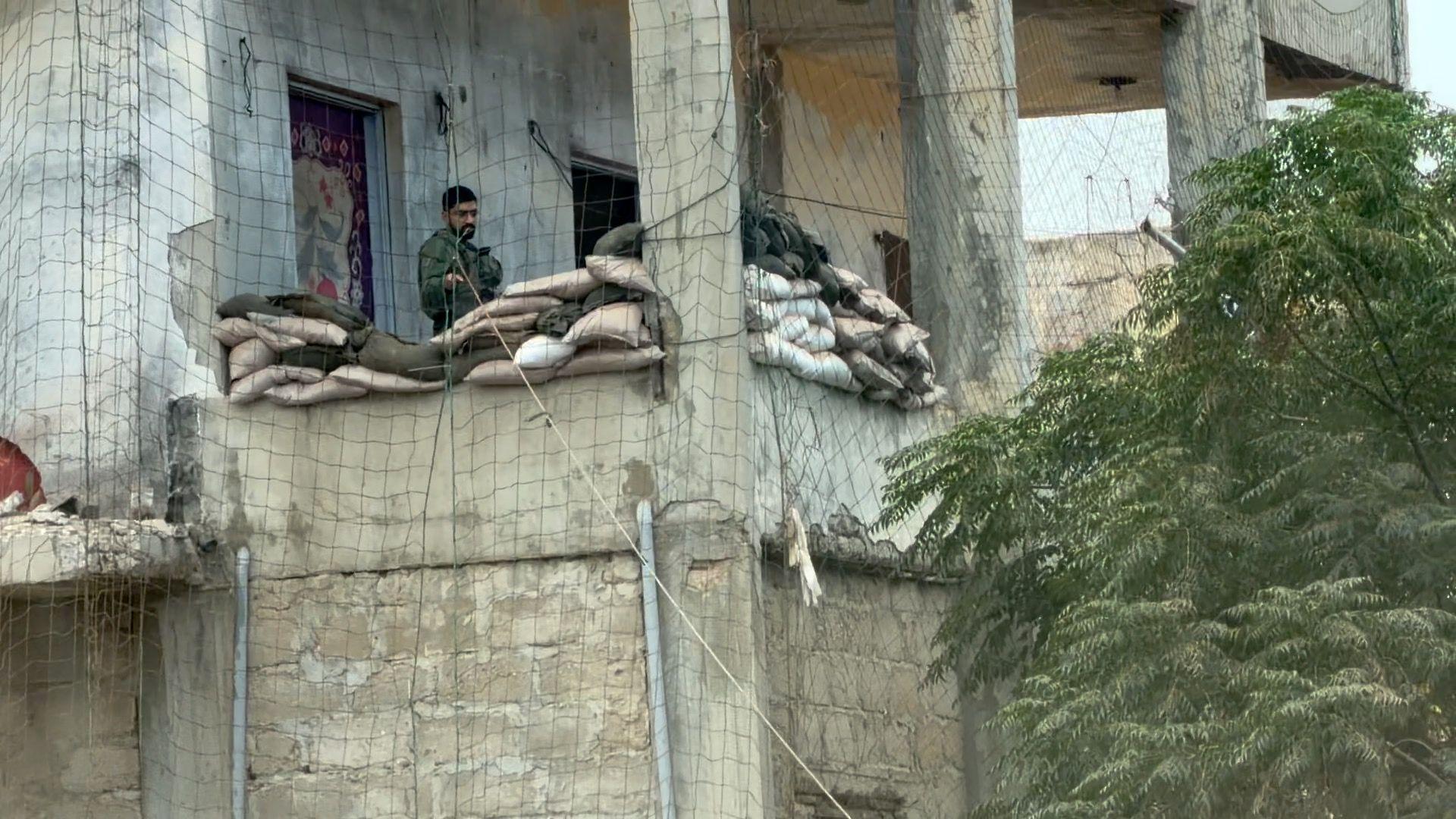
Israeli footage shows soldiers driving along the wall separating the two countries, while the ground is littered with nets covering homes used by the military to shield them from Hezbollah’s explosive drones. In several villages, buildings that were demolished have vanished entirely, leaving rubble that marks the reality of a “security zone” that, according to Israeli officials, aims to protect Israeli communities from attacks.
“In the past months, we have seen the consolidation and fortification of Israeli positions, construction of protective infrastructure, and other engineering works,” said Unifil spokeswoman Kandice Ardiel. The UN correspondent added that these moves are happening alongside relentless air strikes in villages that remain under occupation.
Hezbollah’s party leader, Naim Qassem, has branded the proposals for a “pilot zone” as “surrender with humiliation,” while the Israeli Defence Minister Israel Katz has declared a “long‑term presence” that could be permanently established. Lebanese intelligence officials report more than 5,000 violations of a preliminary cease‑fire deal, citing daily incursions beyond the occupied zone.
Human‑rights groups consider the demolition of civilian infrastructure a potential war crime. In an eastern border village, massive rubble stands where a once‑thriving community existed, a testament to the ongoing strategy of displacement that may render return impossible for years to come.
With no clear path to a withdrawal before Israeli elections at the end of October, the situation remains stagnant. Until Hezbollah’s disarmament is verified, pilot zones—designed to allow the Lebanese army to operate—appear unlikely to materialise. The region’s future hinges on continued diplomatic intervention and the protection of Lebanon’s civilian population.